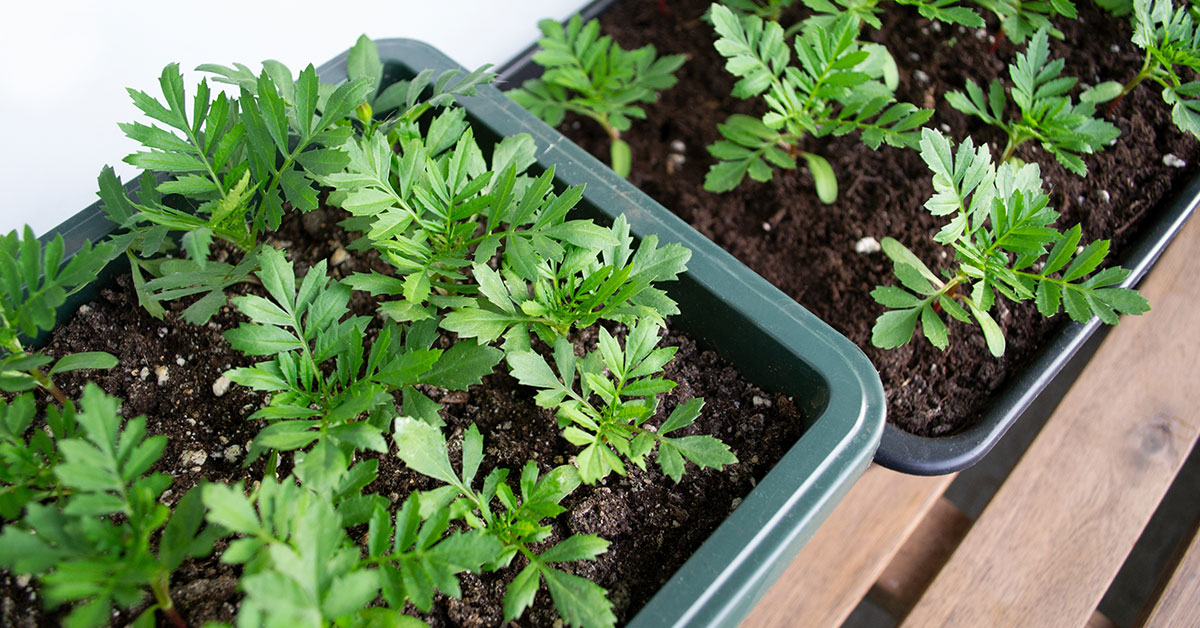

Welcome to the world of vibrant and cheerful Bonanza Marigolds! If you are looking to add a burst of color to your garden or brighten up your indoor space, these delightful flowers are an excellent choice. With their compact size, stunning blooms, and easy cultivation, the Bonanza Marigold is perfect for both seasoned gardeners and beginners alike.
In this article, we will explore everything you need to know about growing Bonanza Marigolds, from selecting the right location and soil to providing the optimal care and maintenance. Get ready to embark on a journey of beauty and joy as we delve into the secrets of cultivating these charming flowers.
What is a Bonanza Marigold?
A Bonanza Marigold is a specific variety of marigold (Tagetes patula) known for its compact size and vibrant, eye-catching blooms. It is a popular choice among gardeners due to its prolific flowering and low maintenance requirements. The Bonanza Marigold typically grows to a height of 6-10 inches (15-25 cm) and spreads about 8-12 inches (20-30 cm) wide. Its compact nature makes it suitable for both containers and garden beds.
The plant features dense, bushy foliage with dark green, finely divided leaves. The flowers of the Bonanza Marigold are the main attraction. They come in a range of bright and cheerful colors, including shades of yellow, orange, gold, and even bicolor variations. The blooms are typically double or semi-double, with multiple layers of petals, giving them a full and fluffy appearance.
The flowers are about 2 inches (5 cm) in diameter and are produced abundantly throughout the growing season. Bonanza Marigolds are known for their long-lasting blooms, making them a great choice for adding vibrant color to your garden or indoor spaces. They are also relatively easy to grow, requiring well-drained soil, regular watering, and a sunny location. These marigolds are often used as bedding plants, edging plants, or in mixed container arrangements to create a striking display of color.
Where are Bonanza Marigolds native?
The Bonanza Marigold (Tagetes patula ‘Bonanza’) is a hybrid marigold cultivar that was developed through selective breeding. Marigolds, in general, are native to Mexico and Central America. However, since the Bonanza Marigold is a cultivated variety, it does not have a specific native range.
Regarding invasiveness, the Bonanza Marigold is not considered invasive. Invasive plants are those that aggressively spread and outcompete native vegetation, causing harm to the ecosystem. While marigolds can self-seed and spread in favorable conditions, the Bonanza Marigold is not known to be invasive or cause significant ecological issues. It is primarily grown as an ornamental plant in gardens and containers.
How to grow Bonanza Marigold indoors
Bonanza Marigolds are beautiful and vibrant flowers that can be grown indoors to brighten up your living space. Here’s a care guide to help you successfully grow Bonanza Marigolds indoors:
- Light Requirements: Bonanza Marigolds require at least 6-8 hours of direct sunlight each day. Place them near a south-facing window where they can receive ample sunlight. If natural light is insufficient, you can supplement with fluorescent grow lights placed 6-12 inches above the plants.
- Temperature: Bonanza Marigolds prefer moderate temperatures between 65-75°F (18-24°C). Avoid placing them near drafts or heating/cooling vents, as extreme temperature fluctuations can stress the plants.
- Soil: Use well-draining soil with a pH level between 6.0-7.0. You can either purchase a commercial potting mix suitable for flowers or create your own by mixing equal parts of peat moss, perlite, and compost.
- Watering: Water your Bonanza Marigolds thoroughly when the top inch of soil feels dry. Ensure that the water drains out of the bottom of the pot to prevent waterlogging, as this can lead to root rot. Avoid overwatering, as it can cause the roots to suffocate.
- Fertilizer: Feed your Bonanza Marigolds with a balanced, water-soluble fertilizer every two weeks during the growing season (spring and summer). Follow the instructions on the fertilizer package for the correct dilution ratio. Reduce or stop fertilizing during the dormant period (fall and winter).
- Pruning: Pinch off spent flowers regularly to encourage continuous blooming. This process, known as deadheading, redirects the plant’s energy towards producing new flowers. Additionally, if your Bonanza Marigold becomes leggy or bushy, you can trim it back to maintain a compact and tidy shape.
- Pests and Diseases: Bonanza Marigolds are generally resistant to pests and diseases. However, keep an eye out for common indoor plant pests like aphids, spider mites, and whiteflies. If you notice any signs of infestation, treat the affected plants with an appropriate organic insecticide or insecticidal soap.
- Propagation: Bonanza Marigolds can be propagated from seeds. Sow the seeds in a seed-starting tray filled with moist potting soil. Cover the seeds lightly with soil and keep them in a warm location with indirect light. Once the seedlings have grown a few inches tall, transplant them into individual pots.
Remember, indoor plants may not bloom as profusely as their outdoor counterparts due to the limited light conditions. However, with proper care and attention, your Bonanza Marigolds can still produce beautiful flowers to enjoy indoors.
How to grow Bonanza Marigold outdoors
Bonanza Marigold (Tagetes patula) is a beautiful and vibrant annual flower that can add a burst of color to any outdoor garden. Here is a care guide to help you successfully grow Bonanza Marigold outdoors:
- Location: Choose a sunny spot in your garden that receives at least 6-8 hours of direct sunlight per day. Marigolds thrive in full sun and require warm temperatures to grow well.
- Soil Preparation: Marigolds prefer well-draining soil with a pH level between 6.0 and 7.5. Before planting, amend the soil with organic matter such as compost or well-rotted manure to improve its fertility and drainage.
- Planting: Start by preparing the soil by loosening it with a garden fork or tiller. Dig a hole that is slightly larger than the root ball of the marigold seedling. Space the plants about 8-12 inches apart to allow for proper air circulation and growth. Gently place the seedling into the hole, ensuring that the top of the root ball is level with the soil surface. Backfill the hole and lightly firm the soil around the plant.
- Watering: Water the newly planted marigolds thoroughly after planting to settle the soil around the roots. Afterward, water the plants regularly, keeping the soil consistently moist but not waterlogged. Avoid overwatering, as it can lead to root rot. Watering in the morning is preferable to allow the foliage to dry before evening, reducing the risk of fungal diseases.
- Fertilization: Marigolds are not heavy feeders, but they can benefit from a balanced, slow-release fertilizer applied at planting time. Alternatively, you can use a water-soluble fertilizer every 2-3 weeks during the growing season. Follow the instructions on the fertilizer packaging for proper application rates.
- Mulching: Apply a layer of organic mulch around the base of the plants to help retain moisture, suppress weed growth, and regulate soil temperature. Avoid placing the mulch directly against the stems to prevent rotting.
- Deadheading: Regularly remove spent flowers by pinching or cutting them off at the base. Deadheading encourages continuous blooming and prevents the plant from putting energy into seed production.
- Pests and Diseases: Marigolds are generally resistant to most pests and diseases. However, keep an eye out for aphids, spider mites, and slugs. If necessary, treat with organic insecticides or use natural pest control methods.
- Support: While Bonanza Marigolds are generally compact and sturdy, taller varieties may benefit from staking or support during windy conditions to prevent breakage.
- Winter Care: Marigolds are annuals and will not survive frost or freezing temperatures. Before the first frost, harvest any remaining flowers and discard the plants. If you wish to save seeds for future planting, allow the flowers to dry on the plant, then collect the seeds and store them in a cool, dry place.
By following these care guidelines, you can enjoy a beautiful display of Bonanza Marigolds in your outdoor garden throughout the growing season. Happy gardening!
How to grow Bonanza Marigold in pots
Bonanza Marigold (Tagetes patula) is a beautiful and vibrant annual flower that is perfect for growing in pots. Here is a care guide to help you successfully grow Bonanza Marigold in pots:
- Select the right pot: Choose a pot that is at least 6-8 inches deep and has drainage holes at the bottom. This will ensure proper drainage and prevent waterlogging.
- Soil preparation: Use a well-draining potting mix that is rich in organic matter. You can also add perlite or sand to improve drainage. Avoid using heavy garden soil, as it can lead to root rot.
- Planting: Sow the Bonanza Marigold seeds directly into the pot, about 1/4 inch deep. Space the seeds 6-8 inches apart to allow room for growth. Alternatively, you can start the seeds indoors 4-6 weeks before the last frost and transplant the seedlings into the pot.
- Sunlight requirements: Bonanza Marigolds thrive in full sun, so place the pot in a location that receives at least 6-8 hours of direct sunlight per day. If you don’t have access to full sun, they can tolerate partial shade but may produce fewer flowers.
- Watering: Keep the soil consistently moist but not waterlogged. Water the plants when the top inch of soil feels dry to the touch. Avoid overwatering, as it can lead to root rot. Water the plants at the base to prevent wetting the foliage, which can make them susceptible to diseases.
- Fertilization: Feed the Bonanza Marigolds with a balanced liquid fertilizer every 2-3 weeks during the growing season. Follow the instructions on the fertilizer package for the correct dosage. This will help promote healthy growth and abundant flowering.
- Deadheading: Regularly remove faded or spent flowers by pinching or cutting them off at the base. This process, known as deadheading, encourages the plant to produce more blooms and extends the flowering period.
- Pests and diseases: Bonanza Marigolds are generally resistant to pests and diseases. However, keep an eye out for common issues like aphids, spider mites, and powdery mildew. If you notice any problems, treat them with organic insecticidal soap or neem oil according to the instructions on the product.
- Support: As the Bonanza Marigold grows, it may become top-heavy and prone to bending or breaking. Consider providing support, such as a small stake or trellis, to keep the plant upright.
- Winter care: Bonanza Marigolds are annuals and will not survive frost or cold temperatures. If you live in a region with harsh winters, you can either discard the plants after they finish blooming or try to save the seeds for the next growing season.
By following these care instructions, you should be able to enjoy a beautiful display of Bonanza Marigolds in your pots. Happy gardening!
When does a Bonanza Marigold bloom?
The Bonanza Marigold (Tagetes patula) is known for its vibrant and prolific blooms. It typically starts blooming around mid to late summer and continues to flower until the first frost in the fall. The exact timing can vary depending on the specific growing conditions, such as the climate and the amount of sunlight and water the plant receives. However, with proper care and favorable conditions, you can expect the Bonanza Marigold to bloom for several months during the summer season.
Propagation guide for Bonanza Marigolds
To propagate Bonanza Marigold, you have a few options:
- Seeds: Collect the seeds from mature Bonanza Marigold flowers. Allow the flower heads to dry out completely on the plant, then gently remove the seeds. Sow the seeds in well-draining soil in a seed tray or small pots. Cover the seeds lightly with soil and keep them moist. Place the tray or pots in a warm and bright location, but out of direct sunlight. The seeds should germinate within 7-10 days. Once the seedlings have developed a few sets of true leaves, you can transplant them into individual pots or directly into the garden.
- Stem cuttings: Take stem cuttings from a healthy Bonanza Marigold plant. Choose a non-flowering stem and cut it just below a leaf node. Remove the lower leaves, leaving only a few at the top. Dip the cut end in rooting hormone (optional) and plant it in a well-draining potting mix. Keep the soil moist and place the cutting in a warm and bright location, away from direct sunlight. After a few weeks, the cutting should develop roots. Once the roots are well-established, you can transplant the cutting into a larger pot or directly into the garden.
- Division: If you have an established Bonanza Marigold plant, you can divide it to create new plants. Carefully dig up the plant and gently separate the root clumps into smaller sections, ensuring each section has some roots and shoots. Replant the divisions in well-prepared soil, keeping them watered until they establish themselves.
Regardless of the propagation method you choose, it’s important to provide the new plants with proper care, including regular watering, well-draining soil, and adequate sunlight.
Common pests and diseases
The Bonanza Marigold, like other marigold varieties, is generally resistant to pests and diseases. However, there are a few common issues that may affect them:
- Aphids: These small, soft-bodied insects can cluster on the undersides of leaves and feed on plant sap. They can be controlled by spraying the affected plants with a strong jet of water or by using insecticidal soap.
- Spider mites: These tiny pests can cause yellowing and stippling of leaves, as well as the presence of fine webbing. Regularly misting the plants and keeping the humidity high can help prevent spider mite infestations. If necessary, you can also use insecticidal soap or horticultural oil.
- Fusarium wilt: This fungal disease can cause wilting, yellowing, and eventual death of the plant. It is important to avoid overwatering and ensure good drainage to prevent the development of this disease. If you suspect fusarium wilt, remove and destroy the affected plants to prevent the spread of the fungus.
- Powdery mildew: This fungal disease appears as a white powdery coating on the leaves. It thrives in humid conditions and can be prevented by providing good air circulation around the plants. If powdery mildew occurs, you can use a fungicidal spray specifically formulated for this disease.
Remember to regularly inspect your Bonanza Marigolds for any signs of pests or diseases, and take prompt action to prevent their spread.
Facts about Bonanza Marigolds
Bonanza Marigold, scientifically known as Tagetes patula ‘Bonanza’, is a popular and vibrant annual flower that is commonly grown in gardens and containers. Here are some interesting facts about Bonanza Marigold:
- Compact and Colorful: Bonanza Marigold is a dwarf variety that grows to a height of about 8-10 inches (20-25 cm) and spreads up to 6-8 inches (15-20 cm). Despite its small size, it produces an abundance of vibrant, daisy-like flowers in shades of yellow, gold, orange, and mahogany.
- Continuous Bloomer: This marigold variety is known for its long blooming period. It typically starts flowering in early summer and continues to produce blooms until the first frost of fall. With proper care, you can enjoy its colorful display for several months.
- Easy to Grow: Bonanza Marigold is relatively easy to grow, making it a popular choice for both beginner and experienced gardeners. It thrives in full sun but can tolerate partial shade. It prefers well-draining soil and is quite drought-tolerant once established.
- Pest Repellent: Marigolds, including Bonanza Marigold, are known for their pest-repellent properties. The flowers produce a strong scent that helps deter many common garden pests, such as aphids, nematodes, and whiteflies. Planting Bonanza Marigold near vegetables or other susceptible plants can help protect them from these pests.
- Attracts Beneficial Insects: While repelling harmful pests, Bonanza Marigold also attracts beneficial insects like bees, butterflies, and hoverflies. These pollinators help in the fertilization of other plants in your garden, promoting biodiversity and a healthy ecosystem.
- Cut Flower Potential: Bonanza Marigold’s vibrant blooms make it an excellent choice for cut flower arrangements. The flowers have a long vase life and can add a pop of color to bouquets and floral displays.
- Edible Flowers: The petals of Bonanza Marigold flowers are edible and can be used to garnish salads, desserts, or even brewed into herbal teas. However, it’s important to ensure that the flowers are grown organically and have not been treated with any chemicals before consuming them.
- Companion Planting: Bonanza Marigold is often used as a companion plant in vegetable gardens. It can help repel pests that commonly attack vegetables, such as tomato hornworms and cabbage worms. Additionally, its bright flowers can attract pollinators to aid in vegetable pollination.
Remember to deadhead spent flowers regularly to encourage continuous blooming and remove any diseased or damaged foliage to maintain the plant’s health. With its vibrant colors, pest-repellent properties, and ease of cultivation, Bonanza Marigold is a delightful addition to any garden or container.