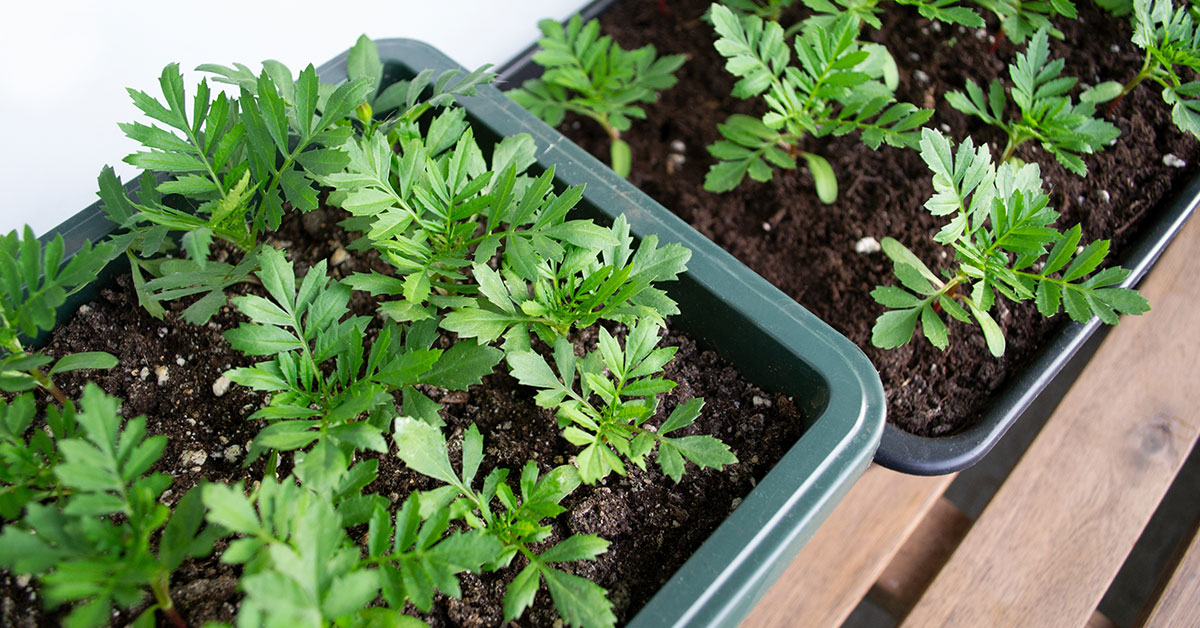

Welcome to the world of Mexican Marigold (Tagetes lemmonii) cultivation! If you’re looking to add a touch of vibrant color and a delightful fragrance to your garden, this beautiful perennial plant is an excellent choice. Native to Mexico and the southwestern United States, Mexican Marigold, also known as Copper Canyon Daisy, is a versatile and low-maintenance plant that thrives in a variety of growing conditions.
With its fern-like foliage, golden-yellow flowers, and aromatic scent, this plant is not only visually appealing but also attracts pollinators like bees and butterflies. In this article, we will explore the essential aspects of growing Mexican Marigold, including its preferred growing conditions, propagation methods, care tips, and potential uses in your garden or indoor space.
Whether you are a seasoned gardener or a beginner, get ready to dive into the world of Mexican Marigold and discover how to cultivate this stunning plant with ease.
What is a Mexican Marigold (Tagetes lemmonii)?
The Mexican Marigold, scientifically known as Tagetes lemmonii, is a perennial flowering plant native to Mexico and the southwestern United States. It belongs to the Asteraceae family, which includes daisies and sunflowers. Mexican Marigold is a relatively tall plant, reaching heights of 2 to 4 feet (60 to 120 cm) and spreading up to 3 feet (90 cm) wide. It has a bushy growth habit with deeply divided, fern-like, aromatic leaves that are bright green in color.
The leaves are pinnate, meaning they are divided into multiple leaflets arranged along a central stem. The plant produces vibrant, golden-yellow flowers that are daisy-like in appearance. The flowers are small, about 1 inch (2.5 cm) in diameter, and are arranged in clusters at the ends of the stems. Mexican Marigold blooms profusely from late summer through fall, attracting pollinators like bees and butterflies with its nectar-rich flowers.
One notable feature of Mexican Marigold is its strong fragrance. The leaves emit a pungent scent when crushed, which is often described as a combination of citrus and spice. This fragrance is believed to repel certain pests, making it a popular choice for natural pest control in gardens. Overall, Mexican Marigold is an attractive and aromatic plant that adds a splash of vibrant color to gardens, particularly during the autumn season. Its beauty, fragrance, and ability to attract beneficial insects make it a favorite among gardeners.
Where is Mexican Marigold (Tagetes lemmonii) native?
Mexican Marigold, also known as Tagetes lemmonii, is native to the southwestern United States and northern Mexico. It is commonly found in the states of Arizona, New Mexico, Texas, and in the Mexican states of Chihuahua and Sonora.
Mexican Marigold is not considered invasive in its native range. However, it has been introduced and naturalized in other parts of the world, such as Australia and South Africa, where it can become invasive in certain habitats. In these regions, it may outcompete native plants and disrupt local ecosystems. It is always important to check with local authorities or plant experts to determine if a species is invasive in your specific area before planting it.
How to grow Mexican Marigold (Tagetes lemmonii) indoors
Mexican Marigold, also known as Tagetes lemmonii, is a beautiful flowering plant that can be grown indoors. Here is a care guide to help you successfully grow Mexican Marigold indoors:
- Lighting: Mexican Marigold thrives in bright, indirect light. Place your plant near a south or west-facing window where it can receive at least 6-8 hours of sunlight per day. If natural light is limited, you can supplement with fluorescent grow lights placed 6-12 inches above the plant.
- Temperature: Mexican Marigold prefers average room temperatures between 65-75°F (18-24°C). Protect the plant from drafts and sudden temperature changes, as it can be sensitive to cold.
- Watering: Water your Mexican Marigold thoroughly when the top inch of soil feels dry to the touch. Ensure that the pot has drainage holes to prevent waterlogging. Avoid overwatering, as it can lead to root rot. During winter, reduce watering frequency as the plant’s growth slows down.
- Humidity: Mexican Marigold can tolerate average indoor humidity levels, but it appreciates slightly higher humidity. You can increase humidity by placing a tray filled with water near the plant or using a humidifier.
- Soil: Use a well-draining potting mix that is rich in organic matter. A mix of peat moss, perlite, and compost works well for Mexican Marigold. Avoid heavy soils that retain too much moisture.
- Fertilizer: Feed your Mexican Marigold with a balanced liquid fertilizer every 2-4 weeks during the growing season (spring and summer). Follow the instructions on the fertilizer package for the correct dosage. Reduce or stop fertilizing during winter when the plant is dormant.
- Pruning: Mexican Marigold benefits from regular pruning to maintain its shape and encourage bushier growth. Pinch or trim back the stems regularly to promote branching and more flowers.
- Pests and Diseases: Mexican Marigold is generally resistant to pests and diseases. However, keep an eye out for common houseplant pests like aphids, mealybugs, and spider mites. If you notice any infestation, treat it with an appropriate insecticidal soap or neem oil.
- Repotting: Mexican Marigold may require repotting every 1-2 years, especially if it becomes root-bound. Choose a slightly larger pot with good drainage and fresh potting mix. Repot during spring when the plant is actively growing.
- Propagation: Mexican Marigold can be propagated through stem cuttings. Take 3-4 inch cuttings from healthy stems, remove the lower leaves, and place them in a well-draining potting mix. Keep the soil slightly moist and provide bright, indirect light. The cuttings should root within a few weeks.
By following these care guidelines, you can enjoy the vibrant blooms and aromatic foliage of Mexican Marigold indoors.
How to grow Mexican Marigold (Tagetes lemmonii) outdoors
Mexican Marigold, also known as Tagetes lemmonii or Copper Canyon Daisy, is a beautiful flowering plant native to Mexico. It is known for its vibrant orange-yellow flowers and aromatic foliage. Here is a care guide to help you successfully grow Mexican Marigold outdoors:
- Climate and sunlight requirements: Mexican Marigold thrives in warm climates and prefers full sun exposure. It can tolerate some shade but will produce fewer flowers. Ensure that your planting location receives at least 6-8 hours of direct sunlight per day.
- Soil requirements: Mexican Marigold prefers well-draining soil with a slightly acidic to neutral pH level (around 6.0-7.0). Amend heavy clay or compacted soil with organic matter like compost to improve drainage.
- Planting: Choose a suitable location in your garden where the plant will have enough space to grow. Dig a hole slightly larger than the root ball of the plant. Place the plant in the hole, ensuring that the top of the root ball is level with the soil surface. Backfill the hole with soil and gently firm it around the plant.
- Watering: Mexican Marigold is drought-tolerant once established, but it still requires regular watering during its initial growth phase. Water deeply and thoroughly, allowing the soil to dry out between waterings. Avoid overwatering, as it can lead to root rot.
- Mulching: Apply a layer of organic mulch around the base of the plant to help retain moisture, suppress weed growth, and regulate soil temperature. Avoid placing mulch directly against the stem to prevent rotting.
- Fertilization: Mexican Marigold is not a heavy feeder, but you can apply a balanced slow-release fertilizer during the growing season to promote healthy growth and abundant flowering. Follow the instructions on the fertilizer package for application rates.
- Pruning: Mexican Marigold benefits from occasional pruning to maintain its shape and encourage bushier growth. After the blooming season, trim back any leggy or overgrown branches. This will also help promote better airflow and reduce the risk of diseases.
- Pests and diseases: Mexican Marigold is relatively resistant to pests and diseases. However, keep an eye out for aphids, spider mites, and whiteflies. If necessary, treat the affected plants with organic insecticidal soap or neem oil.
- Propagation: Mexican Marigold can be propagated through stem cuttings or by dividing mature plants. Take stem cuttings in spring or early summer, dip them in rooting hormone, and plant them in a well-draining potting mix. Keep the cuttings moist until they develop roots.
- Winter care: Mexican Marigold is generally hardy in USDA zones 8-11. In colder regions, provide winter protection by covering the plant with a layer of mulch or moving potted plants indoors. In areas with heavy frost, it may be best to treat Mexican Marigold as an annual.
By following these care guidelines, you can enjoy the vibrant blooms and aromatic foliage of Mexican Marigold in your outdoor garden.
How to grow Mexican Marigold (Tagetes lemmonii) in pots
Mexican Marigold, also known as Tagetes lemmonii, is a beautiful flowering plant that can be grown in pots. Here is a care guide to help you successfully grow Mexican Marigold in containers:
- Select a suitable pot: Choose a pot that is at least 12 inches in diameter and has drainage holes at the bottom. This will ensure proper drainage and prevent waterlogging.
- Soil requirements: Mexican Marigold prefers well-draining soil. Use a good quality potting mix enriched with organic matter. You can also mix in some perlite or sand to improve drainage.
- Sunlight: Mexican Marigold thrives in full sun to partial shade. Place your pot in a location that receives at least 6-8 hours of direct sunlight per day. If you are growing it indoors, place it near a south-facing window or use grow lights.
- Watering: Water the plant thoroughly when the top inch of soil feels dry. Avoid overwatering, as it can lead to root rot. Allow the soil to dry out slightly between waterings. During hot summer months, you may need to water more frequently.
- Fertilization: Mexican Marigold is not a heavy feeder. Apply a balanced, slow-release fertilizer once every 2-3 months during the growing season. Alternatively, you can use a liquid fertilizer diluted to half strength every 4-6 weeks.
- Pruning: Regular pruning will help maintain the shape and promote bushier growth. Pinch off the tips of the stems to encourage branching. Remove any dead or yellowing leaves to keep the plant healthy.
- Pests and diseases: Mexican Marigold is generally resistant to pests and diseases. However, keep an eye out for aphids, whiteflies, and spider mites. If you notice any infestation, treat the plant with insecticidal soap or neem oil.
- Propagation: Mexican Marigold can be propagated from stem cuttings. Take 4-6 inch long cuttings from healthy plants and remove the lower leaves. Dip the cut end in rooting hormone and plant it in a well-draining potting mix. Keep the soil moist and place the cutting in a warm, bright location. Roots should develop within a few weeks.
- Winter care: Mexican Marigold is a perennial plant in warmer regions but may not survive freezing temperatures. If you live in a colder climate, bring the pot indoors before the first frost. Place it in a cool, bright location and reduce watering. Resume regular care in spring when the temperatures rise.
By following these care guidelines, you can enjoy the vibrant blooms and aromatic foliage of Mexican Marigold in your potted garden.
When does Mexican Marigold (Tagetes lemmonii) bloom?
Mexican Marigold, also known as Tagetes lemmonii, typically blooms in late summer to early fall. The exact timing can vary depending on the specific growing conditions and climate in your area. However, you can generally expect the vibrant yellow or orange flowers to appear from August to October. It’s worth noting that Mexican Marigold is a perennial plant, so it will bloom year after year during the appropriate season.
Propagation guide for Mexican Marigold (Tagetes lemmonii)
To propagate Mexican Marigold (Tagetes lemmonii), you have a few options. Here are two common methods:
Stem Cuttings:
- Select a healthy, non-flowering stem from the parent plant. Ideally, choose a stem that is about 4-6 inches long.
- Using a clean, sharp pair of pruning shears, make a clean cut just below a leaf node.
- Remove the lower leaves, leaving only a few at the top.
- Dip the cut end of the stem in a rooting hormone powder (optional but can enhance rooting success).
- Prepare a well-draining potting mix by combining equal parts of perlite and peat moss or a commercial seed-starting mix.
- Make a hole in the potting mix and insert the stem, ensuring that at least one or two nodes are buried in the soil.
- Water the cutting thoroughly and place it in a warm, bright location with indirect sunlight.
- Mist the cutting regularly to maintain humidity and prevent drying out.
- After a few weeks, roots should start to develop. You can gently tug on the stem to check for resistance, indicating root growth.
- Once roots have formed, you can transplant the cutting into a larger pot or directly into the garden.
Division:
- Choose a mature Mexican Marigold plant that has multiple stems or clumps.
- Carefully dig up the plant, trying to keep the root ball intact.
- Gently separate the clumps or stems, ensuring that each division has some roots attached.
- Trim back any damaged or excessively long roots.
- Plant each division in a well-draining potting mix or directly in the garden, ensuring that the crown of the plant is level with the soil surface.
- Water the divisions thoroughly and place them in a location with bright, indirect sunlight.
- Keep the soil consistently moist but not waterlogged.
- Within a few weeks, the divisions should establish and start growing.
Remember to provide proper care, including regular watering, well-draining soil, and adequate sunlight, to ensure the successful growth of your propagated Mexican Marigold plants.
Common pests and diseases
Mexican Marigold, also known as Tagetes lemmonii, is generally a hardy plant that is resistant to many pests and diseases. However, there are a few issues that can occasionally affect it. Here are some common pests and diseases that may affect Mexican Marigold:
- Aphids: These small, soft-bodied insects feed on the sap of plants and can cause stunted growth and distorted leaves. They can be controlled by spraying the plant with a strong jet of water or by using insecticidal soap or neem oil.
- Whiteflies: These tiny, white insects suck the sap from the leaves, causing yellowing, wilting, and a sticky residue known as honeydew. They can be controlled using insecticidal soap, neem oil, or yellow sticky traps.
- Spider mites: These tiny pests are not insects but rather arachnids. They cause yellowing, speckling, and webbing on the leaves. Spider mites thrive in dry conditions, so increasing humidity around the plant can help control them. You can also use insecticidal soap or neem oil to manage spider mite infestations.
- Powdery mildew: This fungal disease appears as a white, powdery coating on the leaves, stems, and flowers. It thrives in humid conditions and can be prevented by providing good air circulation around the plant. If powdery mildew appears, you can use a fungicide specifically formulated for powdery mildew or a homemade solution of baking soda and water.
- Root rot: Overwatering or poorly drained soil can lead to root rot, a fungal disease that causes the roots to become mushy and black. To prevent root rot, ensure that the soil is well-draining and allow the top inch of soil to dry out between waterings. If root rot occurs, you may need to repot the plant in fresh, well-draining soil and trim away any affected roots.
It’s important to note that while Mexican Marigold is generally resistant to many pests and diseases, proper care, including providing adequate sunlight, well-draining soil, and appropriate watering, can help prevent these issues. Regularly inspecting your plants and taking prompt action at the first sign of pests or diseases will also help keep them healthy.
Facts about Mexican Marigold (Tagetes lemmonii)
Mexican Marigold, also known as Tagetes lemmonii, is a fascinating plant with several interesting facts:
- Native to Mexico: As the name suggests, Mexican Marigold is native to Mexico and is commonly found in the southern regions of the country. It has also been introduced to other parts of the world, including the southwestern United States.
- Fragrant Foliage: One of the most distinctive features of Mexican Marigold is its aromatic foliage. When the leaves are crushed or brushed against, they release a strong, citrusy scent, which is often described as a combination of lemon and mint.
- Perennial Nature: Unlike many marigold varieties, Mexican Marigold is a perennial plant. This means that it can live for multiple years, providing beautiful blooms and fragrance year after year with proper care.
- Attractive Flowers: Mexican Marigold produces vibrant golden-yellow flowers that resemble daisies. The flowers are small, but they are borne in clusters, creating a stunning display. They bloom in late summer and continue into the fall, adding color to the garden when many other plants are fading.
- Drought Tolerant: Mexican Marigold is known for its ability to tolerate drought conditions. It is well-suited for arid or xeriscape gardens where water conservation is important. Once established, it requires minimal watering, making it a low-maintenance choice for gardeners.
- Beneficial to Pollinators: The bright flowers of Mexican Marigold attract various pollinators, including bees, butterflies, and other beneficial insects. By planting this marigold variety, you can help support the local ecosystem and encourage biodiversity in your garden.
- Medicinal Uses: In traditional Mexican medicine, Tagetes lemmonii has been used for its medicinal properties. It is believed to have anti-inflammatory and antiseptic qualities and has been used to treat various ailments, including skin conditions and digestive issues.
- Easy to Grow: Mexican Marigold is relatively easy to grow, making it suitable for both experienced and novice gardeners. It prefers full sun to partial shade and well-draining soil. Once established, it can tolerate a wide range of soil conditions.
- Deer Resistant: If you have issues with deer browsing in your garden, Mexican Marigold can be a good choice. It is known to be deer resistant, meaning that deer are less likely to feed on it compared to other plants.
- Culinary Uses: While not as commonly used in cooking as other marigold varieties, some people use the petals of Mexican Marigold flowers as a garnish or to add flavor to salads, soups, or teas. However, it is important to note that not all marigold species are edible, so it is essential to ensure you have the correct variety before consuming it.
Remember, while Mexican Marigold is a beautiful and versatile plant, it is always recommended to research and follow specific care instructions for your particular region and growing conditions.