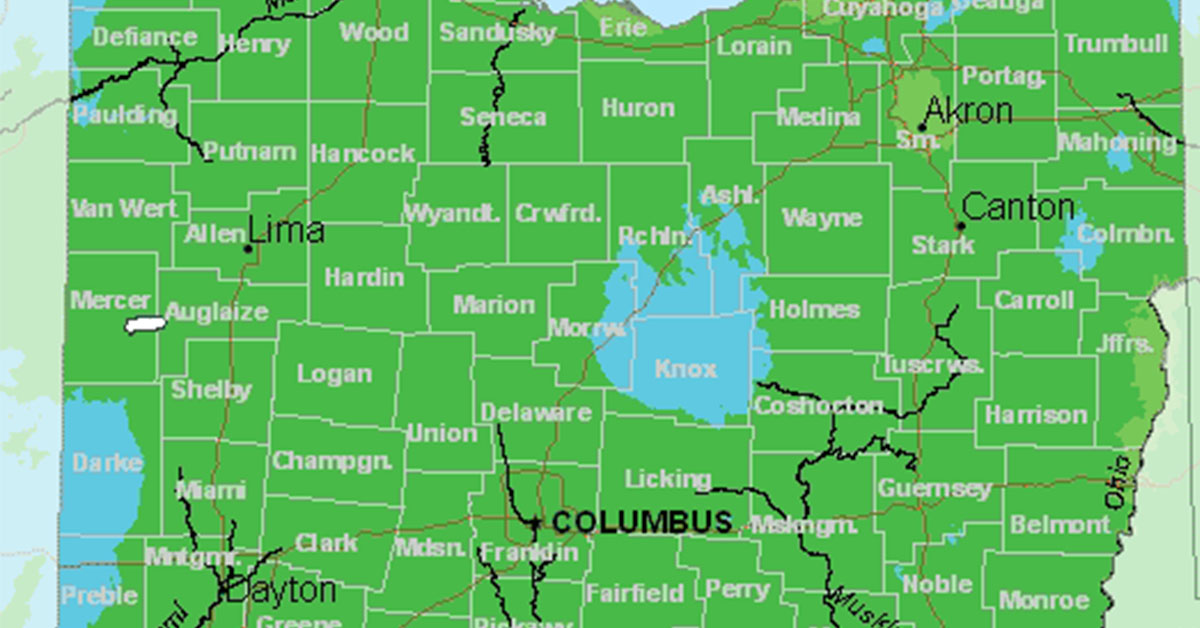

Welcome to the lush world of gardening in Toledo, Ohio! Nestled in the heart of the Midwest, Toledo offers a unique and diverse climate that presents both opportunities and challenges for gardeners. One of the key factors to consider when planning your garden in Toledo is the USDA hardiness zone. The USDA hardiness zone map divides the United States into 13 zones based on average annual minimum temperatures, helping gardeners determine which plants are most likely to thrive in their specific region.
Toledo falls within the USDA hardiness zone 6a, which means that the average minimum temperature ranges from -10°F to -5°F (-23.3°C to -20.6°C). Understanding this zone is crucial for selecting the right plants and implementing appropriate gardening practices to ensure a successful and vibrant garden in Toledo. In this article, we will explore the unique characteristics of gardening in Toledo’s USDA hardiness zone, providing valuable insights and tips to help you create a flourishing garden that withstands the region’s climate challenges.
What is Toledo’s USDA hardiness zone?
The USDA hardiness zone is a system developed by the United States Department of Agriculture (USDA) to classify regions based on their average annual minimum temperatures. This classification helps gardeners and plant enthusiasts determine which plants are most likely to thrive in a particular area. Toledo, Ohio, falls under USDA hardiness zone 6a. This means that the average annual minimum temperature in Toledo ranges from -10 to -5 degrees Fahrenheit (-23 to -21 degrees Celsius).
This information is crucial for gardeners as it helps them select plants that can withstand the cold temperatures of the region. In zone 6a, gardeners need to choose plants that are hardy enough to survive the winter and can tolerate the occasional frost. Some popular plant choices for this zone include perennials like daylilies, hostas, and coneflowers. Shrubs like lilacs, hydrangeas, and spirea are also suitable for this zone.
It’s important to note that while the USDA hardiness zone provides a general guideline, it is not the only factor to consider when selecting plants. Other factors such as soil type, sunlight exposure, and moisture levels also play a significant role in determining a plant’s success in a particular area. To ensure the best results, gardeners in Toledo should also consider microclimates within their own yards. Factors such as the proximity to buildings, wind patterns, and the presence of shade can create variations in temperature and affect plant growth.
It is advisable to observe these microclimates and choose plants accordingly. Additionally, it is essential to monitor weather patterns and be prepared for extreme temperature fluctuations that can occur in Toledo. Late spring frosts and early fall frosts can pose a risk to tender plants, so it’s wise to protect them with frost blankets or bring them indoors during these periods. By taking into account the USDA hardiness zone, microclimates, and local weather patterns, gardeners in Toledo can make informed decisions about which plants to grow and ensure a successful and thriving garden.
When can you plant your garden in Toledo?
In Toledo, the ideal planting times for various plants can be determined by considering its USDA hardiness zone, which is typically Zone 6a. The planting times can vary depending on the type of plant, but here are some general guidelines:
Spring Planting: As the temperatures start to warm up in Toledo, typically around late April to early May, it is a good time to plant cool-season crops such as lettuce, spinach, peas, and radishes. These plants can tolerate cooler temperatures and will thrive in the mild spring weather.
Summer Planting: Once the threat of frost has passed, usually by late May or early June, it is safe to plant warm-season crops such as tomatoes, peppers, cucumbers, and squash. These plants require warmer soil and air temperatures to grow successfully.
Fall Planting: In Toledo, the fall season offers favorable conditions for planting certain crops. Cool-season vegetables like broccoli, cauliflower, carrots, and beets can be planted in late summer or early fall, around August or September. These plants will benefit from the cooler temperatures and will mature before the first frost.
Perennials and Trees: Perennials and trees can be planted in Toledo during spring and fall. Spring planting allows them to establish their root systems before the heat of summer, while fall planting gives them a chance to settle in before winter. It is important to water them adequately during the first year to ensure proper establishment.
Remember, these are general guidelines, and it is always recommended to check specific plant requirements and local weather conditions before planting.
What grows well in Toledo?
Toledo, Ohio falls within USDA hardiness zone 6a. This means that the average annual minimum temperature in this area ranges from -10°F to -5°F (-23.3°C to -20.6°C). Here is a comprehensive list of plants that generally grow well in Toledo’s hardiness zone:
- Red Maple (Acer rubrum)
- Sugar Maple (Acer saccharum)
- White Oak (Quercus alba)
- Red Oak (Quercus rubra)
- Eastern Redbud (Cercis canadensis)
- American Beech (Fagus grandifolia)
- American Sycamore (Platanus occidentalis)
- Eastern Hemlock (Tsuga canadensis)
- Black Cherry (Prunus serotina)
- White Pine (Pinus strobus)
- Forsythia (Forsythia spp.)
- Lilac (Syringa vulgaris)
- Spirea (Spiraea spp.)
- Hydrangea (Hydrangea spp.)
- Viburnum (Viburnum spp.)
- Ninebark (Physocarpus opulifolius)
- Winterberry (Ilex verticillata)
- Inkberry (Ilex glabra)
- Arrowwood (Viburnum dentatum)
- Red Twig Dogwood (Cornus sericea)
- Black-eyed Susan (Rudbeckia spp.)
- Coneflower (Echinacea spp.)
- Daylily (Hemerocallis spp.)
- Hosta (Hosta spp.)
- Astilbe (Astilbe spp.)
- Coral Bells (Heuchera spp.)
- Shasta Daisy (Leucanthemum spp.)
- Russian Sage (Perovskia atriplicifolia)
- Salvia (Salvia spp.)
- Phlox (Phlox spp.)
- Marigold (Tagetes spp.)
- Petunia (Petunia spp.)
- Zinnia (Zinnia spp.)
- Impatiens (Impatiens spp.)
- Geranium (Pelargonium spp.)
- Begonia (Begonia spp.)
- Cosmos (Cosmos spp.)
- Snapdragons (Antirrhinum spp.)
- Alyssum (Lobularia maritima)
- Coleus (Plectranthus scutellarioides)
- Tomatoes (Solanum lycopersicum)
- Peppers (Capsicum spp.)
- Beans (Phaseolus spp.)
- Lettuce (Lactuca sativa)
- Cabbage (Brassica oleracea)
- Carrots (Daucus carota)
- Basil (Ocimum basilicum)
- Thyme (Thymus spp.)
- Parsley (Petroselinum crispum)
- Chives (Allium schoenoprasum)
Remember to consider specific growing conditions, such as sunlight, soil type, and moisture requirements, when selecting plants for your garden in Toledo.
What won’t grow in Toledo?
In Toledo, Ohio, the USDA hardiness zone is typically Zone 6a. This means that the average minimum winter temperature ranges from -10°F to -5°F (-23.3°C to -20.6°C). While many plants can thrive in this zone, there are some that may struggle or not perform well. Here are a few examples:
- Tropical Plants: Plants that are native to tropical regions and require warm temperatures year-round will generally not thrive in Toledo’s climate. This includes plants like hibiscus, bougainvillea, and banana trees.
- Citrus Trees: Citrus trees, such as oranges, lemons, and limes, are not well-suited to Toledo’s colder winters. They require a more temperate climate and may not survive the freezing temperatures.
- Palm Trees: Most palm tree species are not cold-hardy enough to withstand Toledo’s winters. They typically require a more tropical or subtropical climate.
- Tender Perennials: Some perennials that are not cold-hardy may struggle in Toledo’s climate. Examples include certain varieties of lavender, rosemary, and certain types of salvias.
- Warm-Season Vegetables: Vegetables that thrive in warmer climates, such as tomatoes, peppers, and eggplants, may struggle in Toledo’s cooler summers and shorter growing season. However, with proper care and protection, they can still be grown successfully.
It’s important to note that while these plants may not thrive in Toledo’s climate, it is still possible to grow them as annuals or in containers that can be brought indoors during the colder months. Additionally, there are many other plant options that are well-suited to Toledo’s zone and can thrive in its climate.