
Welcome to the world of sweet potatoes! If you’re a gardening enthusiast in Kentucky, you’re in luck because this article is all about when to plant sweet potatoes in Kentucky. Sweet potatoes are not only delicious and versatile in the kitchen, but they also offer a rewarding experience for gardeners. Whether you’re a seasoned pro or a beginner, understanding the ideal planting time is crucial for a successful sweet potato harvest. In this article, we will delve into the optimal planting window, taking into account Kentucky’s unique climate and growing conditions.
So, grab your gardening gloves and let’s explore the best time to get those sweet potato slips in the ground!
Best varieties of sweet potato to grow in Kentucky
In Kentucky, there are several sweet potato varieties that tend to perform well. Here are a few recommended varieties for growing sweet potatoes in Kentucky:
- Beauregard: This is a popular variety known for its high yields and excellent taste. It has a deep orange flesh and is resistant to cracking and diseases.
- Covington: Another widely grown variety, Covington produces large, uniform sweet potatoes with a sweet flavor. It has good resistance to diseases and is known for its high yield potential.
- Orleans: This variety is known for its exceptional flavor and smooth texture. Orleans sweet potatoes have a reddish-purple skin and deep orange flesh. It is also resistant to cracking.
- Georgia Jet: This variety is known for its early maturity, making it suitable for shorter growing seasons. It has a deep orange flesh and a sweet flavor. Georgia Jet is also resistant to cracking.
- Vardaman: This variety is favored for its high yield potential and disease resistance. Vardaman sweet potatoes have a reddish skin and a moist, orange flesh.
It’s important to note that sweet potato varieties can perform differently depending on the specific growing conditions and climate in your area. It’s always a good idea to consult with local agricultural extension services or experienced growers in your region for the best advice on sweet potato varieties for your specific location in Kentucky.
When to plant sweet potatoes in Kentucky
The best time to plant sweet potatoes in Kentucky is typically in late spring or early summer, when the soil temperature has reached at least 60°F (15.5°C) and there is no longer a risk of frost. This is usually around mid to late May. Sweet potatoes require warm soil to grow properly, so it’s important to wait until the soil has warmed up sufficiently before planting.
How to grow sweet potatoes
Growing sweet potatoes requires careful planning and attention to detail. Here are the steps and considerations to keep in mind:
- Climate and Soil Requirements: Sweet potatoes thrive in warm climates with a long growing season. They require well-drained, loose soil with a pH level between 5.8 and 6.2. Ensure that the soil is rich in organic matter and has good fertility.
- Variety Selection: Choose a sweet potato variety that suits your climate and preferences. Some popular varieties include Beauregard, Covington, and Jewel. Consider disease resistance, yield, and taste when making your selection.
- Preparing the Slips: Sweet potatoes are typically grown from slips, which are small rooted cuttings. You can purchase slips from a nursery or grow your own by placing a sweet potato in water until it sprouts. Once the sprouts are around 6-8 inches long, carefully remove them from the sweet potato and place them in water to develop roots.
- Bed Preparation: Prepare the planting bed by removing weeds, rocks, and debris. Incorporate compost or well-rotted manure into the soil to improve its fertility and structure.
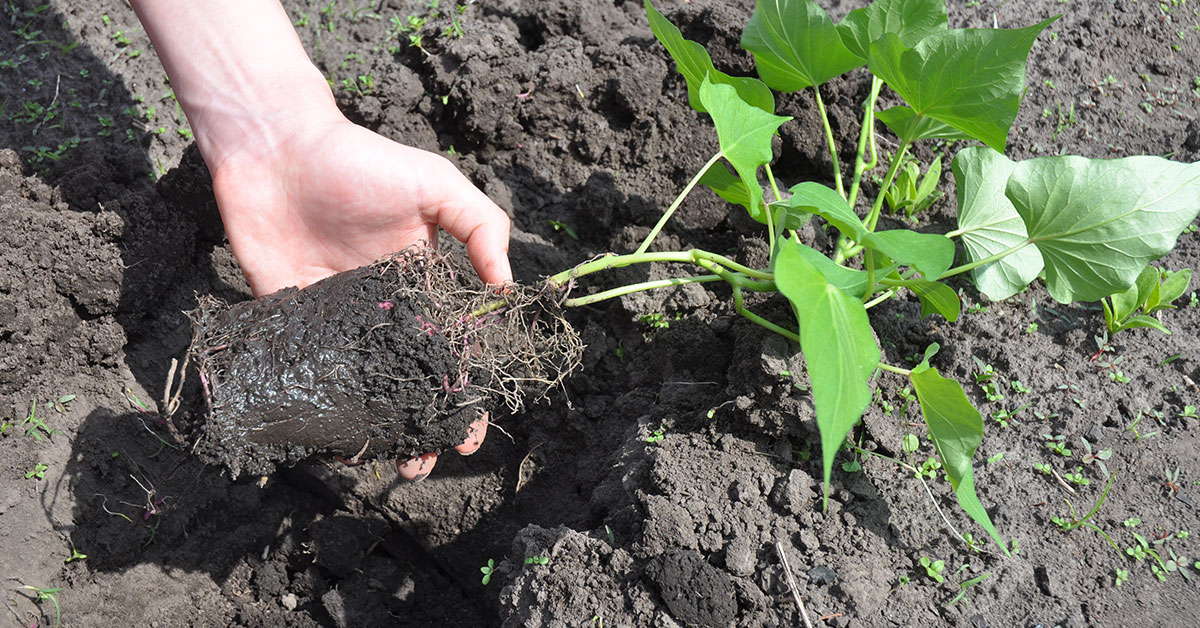
- Planting: Transplant the slips into the prepared bed when the soil temperature reaches around 60°F (15°C). Space the slips about 12-18 inches apart, with rows spaced 3-4 feet apart. Bury the slips up to their leaves, leaving only the top few inches exposed.
- Watering: Sweet potatoes require consistent moisture, especially during the first few weeks after planting. Water deeply, but avoid overwatering, as it can lead to rotting. Mulching the bed with straw or organic mulch helps retain moisture and suppress weeds.
- Fertilization: Sweet potatoes are heavy feeders. Apply a balanced organic fertilizer or a slow-release fertilizer at planting time. Side-dress with additional fertilizer about a month after planting to support their growth.
- Weed Control: Keep the planting bed weed-free, as sweet potatoes do not compete well with weeds. Regularly remove any weeds that emerge, being careful not to disturb the shallow roots of the sweet potato plants.
- Pest and Disease Management: Common pests that affect sweet potatoes include sweet potato weevils, wireworms, and whiteflies. Monitor your plants regularly and take appropriate measures if you notice any infestations. Diseases such as sweet potato scurf, root rot, and fusarium wilt can also be a concern. Practice crop rotation and ensure good drainage to minimize disease risks.
- Harvesting: Sweet potatoes are usually ready for harvest around 90-120 days after planting, depending on the variety. Harvest when the leaves start to turn yellow or after the first frost. Carefully dig up the tubers using a garden fork or shovel, being cautious not to damage them. Cure the harvested sweet potatoes by placing them in a warm, humid environment (80-85°F, 85-90% humidity) for 10-14 days to enhance their flavor and storage life.
By following these steps and considering the specific needs of sweet potatoes, you can successfully grow your own delicious and nutritious crop.
When to harvest sweet potatoes in Kentucky
Sweet potatoes are typically ready to be harvested in Kentucky around late September to early October. The exact timing can vary depending on the specific weather conditions and the variety of sweet potatoes you are growing. It is important to monitor the plants closely for signs of maturity before harvesting. Look for the following indicators:
- Vine growth: Sweet potato vines will start to yellow and die back as the tubers mature. Once about 80% of the vines have turned yellow, it is a good indication that the sweet potatoes are ready for harvest.
- Tuber size: Sweet potatoes should have reached a desirable size before harvesting. Most varieties take around 90 to 120 days to mature. The tubers should be large enough to meet your desired size preference.
- Skin color: The skin of mature sweet potatoes will have darkened and thickened compared to when they were first planted. The color can vary depending on the variety, but a deep orange or reddish-brown skin is often a sign of maturity.
To harvest sweet potatoes, carefully dig around the base of the plants using a garden fork or shovel. Be cautious not to damage the tubers while digging. Gently lift the tubers out of the soil, shake off any excess dirt, and allow them to dry in a warm, well-ventilated area for a few hours. Afterward, store them in a cool, dry place with good airflow to cure for about 10 to 14 days. This curing process helps sweet potatoes develop their characteristic sweetness and improves their storage life.
Common problems and fixes
There are several common problems that can arise when growing sweet potatoes, but fortunately, most of them have simple fixes. Here are a few:
- Poor Soil Drainage: Sweet potatoes require well-draining soil to prevent waterlogged roots. If your soil retains too much water, it can lead to root rot. To fix this, amend the soil with organic matter like compost or sand to improve drainage.
- Insufficient Sunlight: Sweet potatoes thrive in full sunlight, so if they are not receiving at least 6-8 hours of direct sunlight per day, they may not grow properly. Trim nearby trees or plants that may be shading them, or consider relocating your sweet potato patch to a sunnier spot.
- Pests: Sweet potatoes can be susceptible to various pests, including sweet potato weevils, aphids, and whiteflies. Regularly inspect your plants for signs of infestation, such as chewed leaves or sticky residue. Use organic pest control methods like neem oil or insecticidal soap to manage these pests.
- Nutrient Deficiencies: Sweet potatoes require a balanced supply of nutrients to grow well. If you notice yellowing leaves, stunted growth, or poor tuber development, it may indicate a nutrient deficiency. Conduct a soil test to determine which nutrients are lacking and amend the soil accordingly with organic fertilizers or compost.
- Improper Harvesting: Harvesting sweet potatoes at the right time is crucial. If you harvest them too early, they may not have reached their full size, and if you leave them in the ground for too long, they can become overgrown and woody. Harvest sweet potatoes when the leaves start to yellow and wither, typically around 100-120 days after planting.
Remember to provide consistent watering, weed control, and proper spacing to ensure healthy sweet potato growth. With proper care and attention, you can overcome these common problems and enjoy a successful sweet potato harvest.