
As the vibrant colors of autumn fade away, gardeners in Iowa eagerly anticipate the arrival of spring, when they can once again immerse themselves in the joys of planting and nurturing their beloved crops. Among the many vegetables that thrive in the fertile soil of the Hawkeye State, sweet potatoes hold a special place due to their versatility, nutritional value, and delightful taste. However, to ensure a bountiful harvest, it is crucial to understand the optimal timing for planting sweet potatoes in Iowa.
In this comprehensive guide, we will delve into the factors that influence the planting schedule, explore the ideal conditions for sweet potato cultivation, and equip you with the knowledge needed to maximize your yields. So, let’s embark on a journey to discover the perfect time to plant sweet potatoes in Iowa and unlock the secrets to a successful harvest.
Best varieties of sweet potato to grow in Iowa
In Iowa, there are several varieties of sweet potatoes that tend to grow well. Here are a few popular choices:
- Beauregard: This variety is widely grown and favored for its high yield and excellent taste. It has a reddish-orange skin and deep orange flesh. Beauregard sweet potatoes are known for their versatility in cooking.
- Covington: Another popular variety, Covington sweet potatoes have a copper-colored skin and deep orange flesh. They are known for their sweet flavor and are resistant to cracking.
- Jewel: Jewel sweet potatoes have a rose-colored skin and orange flesh. They are known for their high yield and good disease resistance. Jewel sweet potatoes are also versatile in cooking.
- Georgia Jet: This variety is known for its early maturity, making it suitable for shorter growing seasons. Georgia Jet sweet potatoes have a reddish-purple skin and orange flesh. They have a sweet flavor and are often used for baking.
It’s important to note that sweet potatoes require a long, warm growing season, so it’s recommended to start them indoors or use transplants to ensure a successful harvest in Iowa. Additionally, providing well-drained soil and ample sunlight will help promote optimal growth.
When to plant sweet potatoes in Iowa
In Iowa, the best time to plant sweet potatoes depends on the specific hardiness zone in which you reside. Iowa’s climate is divided into several hardiness zones, ranging from Zone 4a to Zone 6b. Different zones have varying temperature ranges and growing seasons, which influence the appropriate planting time for sweet potatoes. Here’s a general guideline for planting sweet potatoes in different zones:
- Zone 4a to Zone 5a: In these colder regions of northern Iowa, the growing season is relatively short. Sweet potatoes should be planted in late spring or early summer, around late May to early June, after the risk of frost has passed. This timing ensures that the soil has warmed up sufficiently for proper tuber development.
- Zone 5b to Zone 6a: For central parts of Iowa, including cities like Des Moines and Ames, sweet potatoes can be planted in mid to late May. These zones have slightly longer growing seasons compared to Zone 4, allowing for an extended growing period.
- Zone 6b: In the southernmost part of Iowa, including cities like Burlington and Keokuk, sweet potatoes can be planted from mid to late May. Zone 6b has the longest growing season and warmest temperatures in the state.
It’s important to note that sweet potatoes thrive in warm weather and require a long growing season. Ensure that the soil temperature is consistently above 55°F (13°C) at a depth of 4 inches (10 cm) before planting, as cold soil can hinder their growth.
In all zones, proper soil preparation, watering, mulching, and vine maintenance are crucial for successful sweet potato cultivation. Be attentive to local weather conditions and frost warnings, especially in the colder zones, to protect your sweet potato crop from any unexpected cold snaps.
By considering Iowa’s hardiness zones and planting sweet potatoes at the appropriate times, you can maximize your chances of a successful harvest and enjoy the sweet taste of homegrown tubers.
How to grow sweet potatoes
Growing sweet potatoes requires careful planning and attention to detail. Here are the steps and considerations to keep in mind:
- Climate and Soil: Sweet potatoes thrive in warm climates with a long growing season. They require well-drained, loose soil with a pH between 5.8 and 6.2. If your soil is heavy clay, consider amending it with organic matter to improve drainage.
- Variety Selection: Choose a sweet potato variety that suits your climate and preferences. Some popular varieties include Beauregard, Covington, and Jewel. Check with your local nursery or agricultural extension office for recommendations specific to your region.
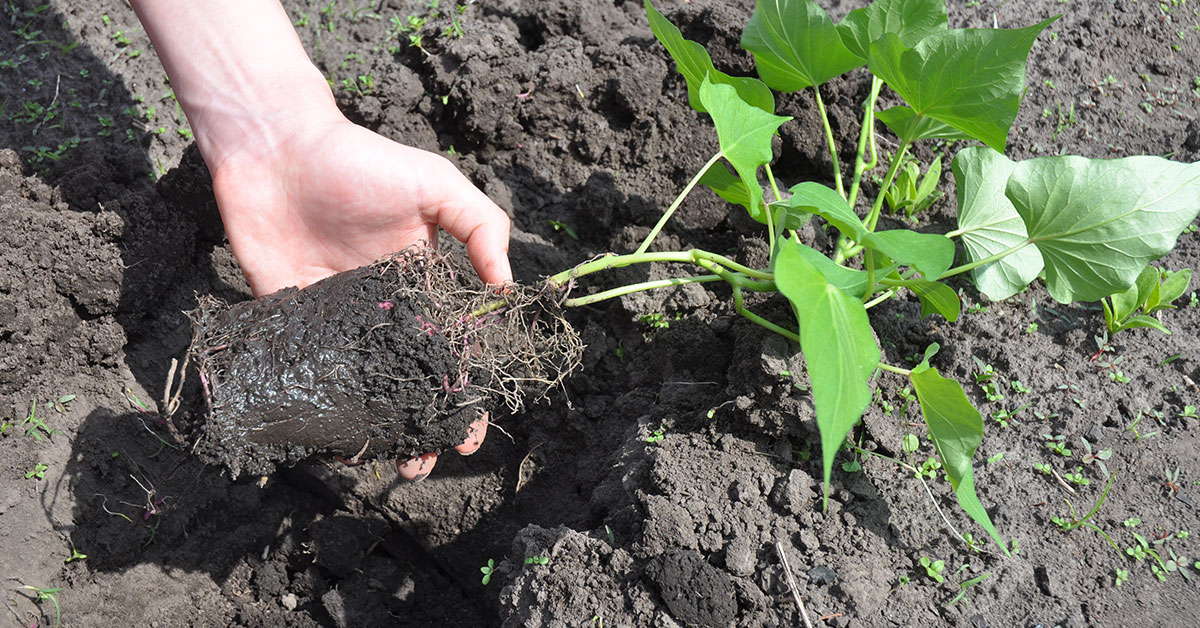
- Starting Slips: Sweet potatoes are typically grown from slips, which are small rooted sprouts. You can purchase slips from a nursery or start your own by placing a sweet potato in a jar of water, suspending it with toothpicks. Within a few weeks, the potato will produce slips that can be carefully removed and planted.
- Preparing the Bed: Prepare the planting bed by removing weeds and rocks. Loosen the soil to a depth of 8-10 inches and incorporate compost or well-rotted manure to improve fertility. Raised beds are beneficial for sweet potatoes as they provide better drainage.
- Planting Slips: Plant the slips in the prepared bed, spacing them about 12-18 inches apart in rows that are 3-4 feet apart. Bury the slips up to their top leaves, leaving only a few inches above the soil surface.
- Watering: Sweet potatoes require consistent moisture, especially during the first few weeks after planting. Water deeply, ensuring the soil is evenly moist but not waterlogged. Mulching the bed with straw or organic matter can help retain moisture and suppress weeds.
- Fertilization: Sweet potatoes are heavy feeders and benefit from regular fertilization. Apply a balanced organic fertilizer or a slow-release fertilizer according to the package instructions. Avoid excessive nitrogen, as it can promote leafy growth at the expense of tuber development.
- Weed Control: Keep the planting bed weed-free to prevent competition for nutrients and water. Regularly hand-pull weeds or use shallow cultivation tools to avoid damaging the shallow roots of the sweet potato plants.
- Pest and Disease Management: Sweet potatoes can be susceptible to pests like sweet potato weevils, wireworms, and nematodes. Monitor your plants regularly and take appropriate measures, such as using organic insecticides or beneficial nematodes, to control infestations. Rotate your crops annually to minimize disease issues.
- Harvesting: Sweet potatoes are typically ready for harvest 90-120 days after planting, depending on the variety and growing conditions. Harvest when the foliage begins to yellow and die back. Carefully dig up the tubers, being cautious not to damage them. Cure the harvested sweet potatoes in a warm, well-ventilated area for 7-10 days to improve flavor and storage life.
By following these steps and considerations, you can successfully grow sweet potatoes and enjoy a bountiful harvest.
When to harvest sweet potatoes in Iowa
Sweet potatoes should typically be harvested in Iowa around late September to early October. The exact timing can vary depending on the weather conditions and the specific variety of sweet potatoes being grown. It is important to keep an eye on the foliage of the sweet potato plants as they start to yellow and die back. This is a sign that the tubers are reaching maturity and it is time to harvest them.
Common sweet potato plant problems and fixes
There are several common problems that can occur when growing sweet potatoes, but fortunately, there are also solutions to address them. Here are some of the most common problems and their fixes:
- Poor Soil Drainage: Sweet potatoes require well-drained soil to prevent rotting. If your soil doesn’t drain well, you can amend it by adding organic matter such as compost or aged manure. This will improve the soil structure and drainage.
- Pests: Sweet potatoes can be susceptible to pests like sweet potato weevils, aphids, and whiteflies. To control these pests, you can use organic insecticidal soaps or neem oil. Additionally, practicing crop rotation and removing any affected plants can help prevent pest infestations.
- Diseases: Sweet potatoes can be affected by diseases such as sweet potato scurf, fusarium wilt, and root rot. To prevent these diseases, it is important to start with disease-free planting material and practice good sanitation by removing and destroying any infected plants. Additionally, providing proper spacing between plants and avoiding overwatering can help prevent disease development.
- Lack of Sunlight: Sweet potatoes require full sun to thrive. If your plants are not receiving enough sunlight, consider transplanting them to a sunnier location. Insufficient sunlight can result in poor growth and low yields.
- Improper Watering: Sweet potatoes require consistent moisture, especially during the growing season. Overwatering can lead to root rot, while underwatering can cause stunted growth and low yields. Ensure that the soil is evenly moist, but not waterlogged. Mulching around the plants can help retain moisture and regulate soil temperature.
- Insufficient Fertilization: Sweet potatoes are heavy feeders and require regular fertilization. Prior to planting, incorporate a balanced organic fertilizer into the soil. During the growing season, you can side-dress the plants with compost or a balanced fertilizer every few weeks to provide the necessary nutrients.
By addressing these common problems and implementing the suggested fixes, you can increase your chances of successfully growing sweet potatoes.
Meta Description
Discover the perfect timing to plant sweet potatoes in Iowa! Maximize your harvest with expert tips from our gardening guide. Don’t miss out!