
Welcome to the world of sweet potato cultivation in the beautiful state of Arizona! If you’re a gardening enthusiast or simply looking to add some delicious and nutritious tubers to your homegrown harvest, you’ve come to the right place. Growing sweet potatoes in Arizona can be a rewarding experience, but it’s crucial to understand the optimal timing for planting these heat-loving plants. With its unique climate and weather patterns, Arizona presents both opportunities and challenges for sweet potato cultivation.
In this article, we will delve into the best times to plant sweet potatoes in different regions of Arizona, taking into account the state’s diverse microclimates and the specific needs of these versatile root vegetables. So, grab your gardening tools and let’s explore the ideal planting windows for sweet potatoes in the Grand Canyon State!
Best varieties of sweet potato to grow in Arizona
In Arizona, the best sweet potato varieties to grow are those that are heat-tolerant and have a relatively short growing season. Here are a few varieties that are well-suited for Arizona’s climate:
- Beauregard: This is a popular variety known for its high yields and excellent flavor. It matures in around 90-100 days, making it suitable for Arizona’s shorter growing season.
- Georgia Jet: This variety is known for its ability to handle heat and produce well in hot climates. It has a shorter growing season of around 90-100 days.
- Porto Rico: Another heat-tolerant variety, Porto Rico produces sweet potatoes with a reddish skin and orange flesh. It typically matures in around 100-110 days.
- Vardaman: This variety is known for its compact growth habit, making it suitable for smaller gardens. It matures in around 90-100 days and produces good yields.
- Centennial: Centennial is a variety that can handle both heat and drought conditions. It has a relatively short growing season of around 90-100 days.
When growing sweet potatoes in Arizona, it’s important to provide them with well-drained soil, ample sunlight, and regular watering to help them thrive in the desert climate.
When to plant sweet potatoes in Arizona
In Arizona, the best time to plant sweet potatoes depends on the specific hardiness zone in which you reside. Arizona’s diverse climate is divided into several hardiness zones, ranging from Zone 5b to Zone 10a. Different zones have varying temperature ranges and growing seasons, which influence the appropriate planting time for sweet potatoes. Here’s a general guideline for planting sweet potatoes in different zones:
- Zone 5b to Zone 7b: In these colder regions of northern Arizona, where the growing season is relatively short, sweet potatoes should be planted in late spring or early summer, around mid to late May. This timing ensures that the soil has warmed up sufficiently for proper tuber development.
- Zone 8a to Zone 9b: For central and southern parts of Arizona, including the Phoenix metropolitan area, sweet potatoes can be planted a bit earlier, starting from mid to late April. These zones have longer growing seasons and warmer temperatures, which allow for an extended growing period.
- Zone 10a: In the warmest regions of southern Arizona, including Tucson and Yuma, sweet potatoes can be planted even earlier, as early as late March to early April. The warm climate in Zone 10a provides an excellent environment for sweet potato growth.
It’s important to note that sweet potatoes thrive in warm weather and require a long growing season. Ensure that the soil temperature is consistently above 55°F (13°C) at a depth of 4 inches (10 cm) before planting, as cold soil can hinder their growth.
In all zones, proper soil preparation, watering, mulching, and vine maintenance are crucial for successful sweet potato cultivation. Be attentive to local weather conditions and frost warnings, especially in the colder zones, to protect your sweet potato crop from any unexpected cold snaps.
By considering Arizona’s hardiness zones and planting sweet potatoes at the appropriate times, you can maximize your chances of a successful harvest and enjoy the sweet taste of homegrown tubers.
How to grow sweet potatoes
Growing sweet potatoes requires careful planning and attention to detail. Here are the steps and considerations to keep in mind:
- Climate: Sweet potatoes thrive in warm climates with a long growing season. They require a minimum temperature of 60°F (15°C) to grow properly. Choose a location that receives full sun for at least 6-8 hours a day.
- Soil Preparation: Sweet potatoes prefer loose, well-draining soil. Before planting, amend the soil with organic matter such as compost or aged manure to improve fertility and drainage. Aim for a pH level between 5.8 and 6.2.
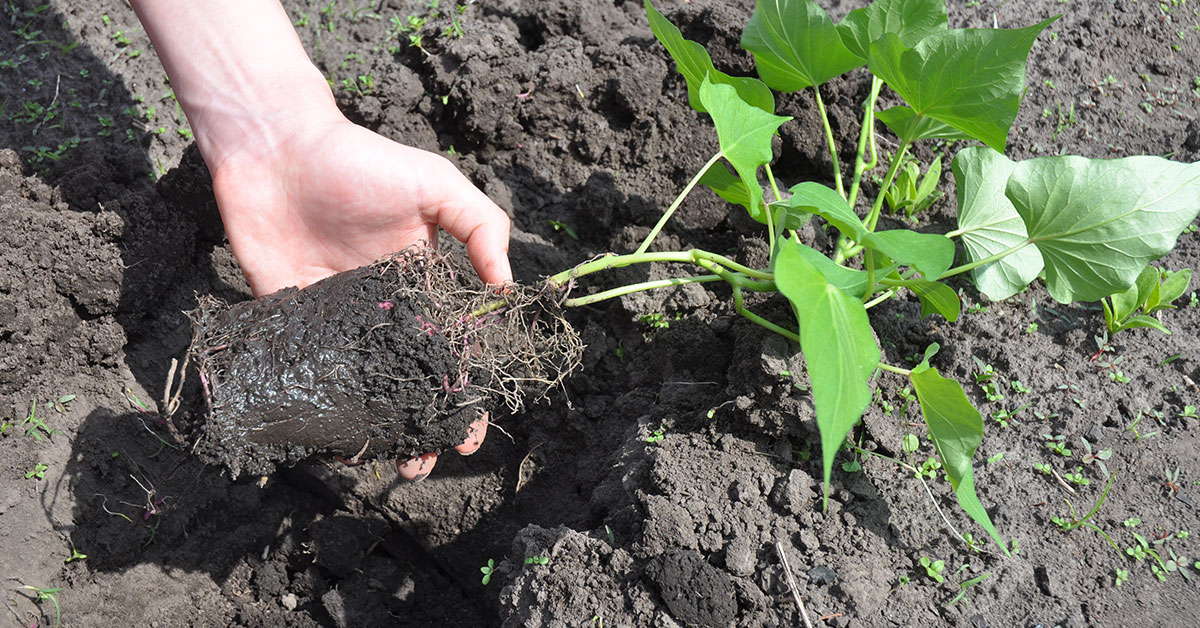
- Starting Slips: Sweet potatoes are typically grown from slips, which are small rooted cuttings. You can purchase slips from a nursery or start your own by placing sweet potato tubers in a container of water. Once the slips grow to around 6-8 inches in length, they are ready for planting.
- Planting: Wait until the soil has warmed up to at least 60°F (15°C) before planting the slips. Dig planting holes about 4-6 inches deep and 12-18 inches apart. Place the slips in the holes, burying the bottom two-thirds of the stem and leaving the top third exposed.
- Watering: Sweet potatoes require consistent moisture, especially during the first few weeks after planting. Water deeply, ensuring the soil remains evenly moist but not waterlogged. Once the plants are established, reduce watering to prevent rot.
- Mulching: Apply a layer of organic mulch, such as straw or wood chips, around the plants. Mulching helps retain moisture, suppresses weeds, and regulates soil temperature.
- Fertilization: Sweet potatoes are heavy feeders and benefit from regular fertilization. Apply a balanced organic fertilizer or compost every 4-6 weeks throughout the growing season. Avoid excessive nitrogen, as it can promote foliage growth at the expense of tuber development.
- Weed Control: Keep the area around the sweet potato plants weed-free to prevent competition for nutrients and water. Hand-pulling weeds or using mulch can help control weed growth.
- Pest and Disease Management: Sweet potatoes can be susceptible to pests such as sweet potato weevils, wireworms, and nematodes. Monitor your plants regularly and take appropriate measures, such as using organic insecticides or practicing crop rotation, to manage pests and diseases.
- Harvesting: Sweet potatoes are ready for harvest when the leaves start to yellow and die back, usually around 90-120 days after planting. Carefully dig up the tubers using a garden fork or shovel, being careful not to damage them. Cure the harvested sweet potatoes by placing them in a warm, humid environment (80-85°F or 27-29°C) for about 10-14 days to enhance their flavor and sweetness.
By following these steps and considerations, you can successfully grow sweet potatoes and enjoy a bountiful harvest.
When to harvest sweet potatoes in Arizona
Sweet potatoes should be harvested in Arizona around late September to early October. This timing allows the sweet potatoes to reach their full maturity and develop their sweet flavor. It’s important to keep an eye on the weather conditions and the growth of the sweet potatoes to determine the exact harvest time. Once the foliage starts to turn yellow and die back, it’s a good indication that the sweet potatoes are ready to be harvested.
Common sweet potato plant problems and fixes
Common problems when growing sweet potatoes include:
- Poor soil drainage: Sweet potatoes require well-drained soil to prevent rotting. To fix this, amend the soil with organic matter such as compost or aged manure to improve drainage.
- Pests: Sweet potatoes can be susceptible to pests such as sweet potato weevils, aphids, and whiteflies. Use organic pest control methods like neem oil or insecticidal soap to manage these pests. Regularly inspect the plants for signs of infestation and take appropriate action.
- Disease: Sweet potatoes can be affected by diseases like fungal rots, leaf spots, and viruses. To prevent diseases, ensure proper spacing between plants for good air circulation, avoid overwatering, and practice crop rotation. Remove and destroy any infected plants to prevent the spread of diseases.
- Nutrient deficiencies: Sweet potatoes require a balanced supply of nutrients for healthy growth. Common nutrient deficiencies include nitrogen, phosphorus, and potassium. Regularly fertilize the plants with a balanced organic fertilizer or use specific fertilizers formulated for sweet potatoes to address any deficiencies.
- Improper watering: Overwatering or underwatering can cause problems for sweet potatoes. They require consistent moisture, but not waterlogged conditions. Water deeply when the top inch of soil feels dry, and ensure proper drainage to prevent root rot.
- Improper curing and storage: After harvesting, sweet potatoes need to be cured and stored properly to prevent spoilage. Cure the harvested sweet potatoes in a warm, humid environment for about 10 days to toughen the skin and improve flavor. Store them in a cool, dry place with good ventilation to prevent rotting.
By addressing these common problems, you can increase the chances of successfully growing sweet potatoes.