
Welcome to the world of sweet potato cultivation in Zone 12! If you’re a gardening enthusiast residing in this tropical paradise, you’re in luck. Zone 12, with its warm and consistent temperatures, provides the perfect environment for growing sweet potatoes. In this article, we will delve into the best times to plant sweet potatoes in Zone 12, taking into account the unique climate and conditions of this region. By following our expert advice, you’ll be well on your way to a bountiful sweet potato harvest that will have your taste buds singing with delight.
Best varieties of sweet potato to grow in Zone 12
In Zone 12, which is a tropical climate, there are several sweet potato varieties that tend to thrive. Here are a few recommended varieties for growing sweet potatoes in Zone 12:
- Beauregard: This is a popular variety known for its high yield and excellent flavor. It has a reddish-orange skin and deep orange flesh. Beauregard sweet potatoes are adaptable to various growing conditions, making them a good choice for Zone 12.
- Jewel: Another widely grown variety, Jewel sweet potatoes have a copper-colored skin and orange flesh. They are known for their sweet taste and good storage qualities. Jewel sweet potatoes perform well in tropical climates like Zone 12.
- O’Henry: This variety has a pale, creamy skin and white flesh. O’Henry sweet potatoes have a slightly sweeter and milder flavor compared to other varieties. They are also known for their smooth texture and are suitable for growing in Zone 12.
- Asian Purple: As the name suggests, this variety has purple skin and white flesh. Asian Purple sweet potatoes are highly nutritious and have a slightly nutty flavor. They are well-suited for tropical climates and can be a unique addition to your sweet potato garden in Zone 12.
Remember to provide your sweet potatoes with well-drained soil, regular watering, and ample sunlight to ensure optimal growth and yield.
When to plant sweet potatoes in Zone 12
In Zone 12, which has a tropical climate, the best time to plant sweet potatoes is during the warm season. Ideally, you should plant sweet potatoes after the last frost date when the soil temperature has reached at least 60°F (15.5°C) and the weather is consistently warm. This usually occurs in late winter or early spring. Sweet potatoes require a long growing season, so it’s important to give them enough time to mature before the cooler months arrive.
How to grow sweet potatoes
Growing sweet potatoes requires careful planning and attention to detail. Here are the steps and considerations to keep in mind:
- Climate and Soil: Sweet potatoes thrive in warm climates with a long growing season. They require well-drained soil with a pH level between 5.8 and 6.2. Choose a sunny spot in your garden that receives at least 6-8 hours of direct sunlight each day.
- Variety Selection: There are various sweet potato varieties available, each with its own unique characteristics. Choose a variety that suits your climate and preferences. Some popular varieties include Beauregard, Covington, and Jewel.
- Preparing the Soil: Before planting, prepare the soil by removing weeds, rocks, and debris. Loosen the soil to a depth of 12-15 inches using a garden fork or tiller. Incorporate organic matter, such as compost or well-rotted manure, to improve soil fertility and drainage.
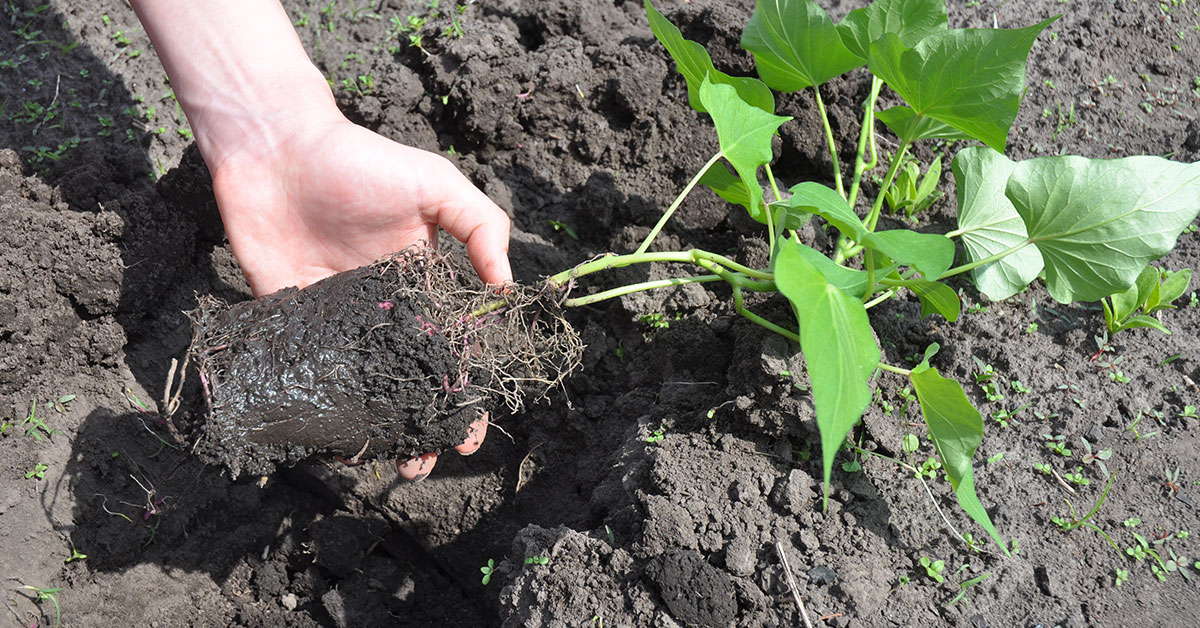
- Starting Slips: Sweet potatoes are typically grown from slips, which are small rooted sprouts. You can purchase slips from a nursery or start your own by placing a sweet potato in a jar of water, allowing it to sprout. Once the slips are around 6-8 inches long, carefully remove them from the sweet potato.
- Planting: Plant the slips in the garden after the last frost date in your area. Dig holes that are 4-6 inches deep and spaced 12-18 inches apart. Place the slips in the holes, burying them up to the leaves, and gently firm the soil around them.
- Watering: Sweet potatoes require consistent moisture, especially during the first few weeks after planting. Water deeply, ensuring the soil is evenly moist but not waterlogged. Once the plants are established, reduce watering frequency but do not let the soil dry out completely.
- Mulching: Apply a layer of organic mulch, such as straw or wood chips, around the plants to conserve moisture, suppress weeds, and regulate soil temperature.
- Fertilization: Sweet potatoes are heavy feeders and benefit from regular fertilization. Apply a balanced organic fertilizer or compost every 4-6 weeks throughout the growing season.
- Pest and Disease Management: Keep an eye out for common sweet potato pests like sweet potato weevils, aphids, and whiteflies. Use organic pest control methods, such as handpicking or applying neem oil, to manage infestations. Rotate crops yearly to prevent the buildup of diseases in the soil.
- Harvesting: Sweet potatoes are typically ready for harvest 90-120 days after planting, depending on the variety and growing conditions. Harvesting can be done when the leaves start to yellow and die back. Carefully dig up the tubers, taking care not to damage them. Cure the harvested sweet potatoes in a warm, well-ventilated area for 1-2 weeks to improve their flavor and storage life.
By following these steps and considerations, you can successfully grow sweet potatoes in your garden. Happy gardening!
When to harvest sweet potatoes in Zone 12
In Zone 12, sweet potatoes can be harvested approximately 90-120 days after planting, depending on the variety. The ideal time to harvest sweet potatoes is when the leaves start to turn yellow and the vines begin to die back. This usually occurs in late summer or early fall. However, it is important to monitor the weather conditions in your specific area, as frost can damage the sweet potatoes. If frost is expected, it is best to harvest the sweet potatoes before it occurs.
Common sweet potato plant problems and fixes
Common problems when growing sweet potatoes include:
- Pests: Sweet potatoes can be susceptible to pests such as sweet potato weevils, aphids, and whiteflies. To control these pests, you can use insecticidal soaps or organic insecticides. Additionally, practicing crop rotation and removing any infected plants can help prevent pest infestations.
- Diseases: Sweet potatoes can be affected by diseases like sweet potato scurf, fusarium wilt, and root rot. To prevent these diseases, ensure proper soil drainage and avoid overwatering. Planting disease-resistant varieties and using certified disease-free slips can also help.
- Nutrient deficiencies: Sweet potatoes require adequate nutrients for healthy growth. Common nutrient deficiencies include nitrogen, phosphorus, and potassium. Regularly fertilizing the soil with a balanced organic fertilizer can help address these deficiencies. Additionally, adding compost or well-rotted manure to the soil before planting can provide essential nutrients.
- Improper watering: Overwatering or underwatering can cause problems for sweet potatoes. Overwatering can lead to root rot, while underwatering can result in stunted growth and reduced yields. It is important to maintain consistent moisture levels in the soil by watering deeply but infrequently. Mulching around the plants can help retain moisture and regulate soil temperature.
- Improper storage: After harvesting, sweet potatoes need to be cured and stored properly to prevent decay and sprouting. Cure sweet potatoes by keeping them in a warm and humid environment (80-85°F, 85-90% humidity) for about 10 days. After curing, store them in a cool, dry, and well-ventilated area with a temperature of around 55-60°F. Regularly check for any signs of decay or sprouting and remove affected potatoes to prevent further damage.
By addressing these common problems and implementing appropriate solutions, you can increase the success of growing sweet potatoes.
Meta Description
“Discover the perfect timing to plant sweet potatoes in Zone 12 for a bountiful harvest! Expert tips and insights to maximize your yields. Read now!”