
Welcome to the world of sweet potato cultivation in Zone 9! If you’re a gardening enthusiast residing in this region, you’re in luck because the warm climate and extended growing season provide the perfect conditions for growing sweet potatoes. In this article, we will delve into the specifics of when to plant sweet potatoes in Zone 9, ensuring that you have all the knowledge you need to successfully grow these delicious and nutritious tubers.
From understanding the ideal planting times to considering the best varieties for your region, we will guide you through the process of cultivating sweet potatoes in Zone 9, helping you achieve a bountiful harvest of this versatile and delectable crop. So, let’s get started and uncover the secrets to a thriving sweet potato garden in Zone 9!
Best varieties of sweet potato to grow in Zone 9
In Zone 9, where the climate is warm and mild, there are several sweet potato varieties that thrive. Here are a few recommended varieties for Zone 9:
- Beauregard: This is a popular variety known for its high yield and excellent flavor. It has a deep orange flesh and is resistant to many diseases. Beauregard sweet potatoes are versatile and can be used for baking, boiling, or frying.
- Covington: Covington is another widely grown variety that performs well in Zone 9. It has a reddish-brown skin and deep orange flesh. Covington sweet potatoes are known for their sweetness and are great for baking, mashing, or making fries.
- Georgia Jet: This variety is known for its early maturity and high yield. It has a deep orange flesh and a sweet flavor. Georgia Jet sweet potatoes are great for baking, boiling, or making sweet potato fries.
- Centennial: Centennial sweet potatoes are known for their excellent flavor and high yield. They have a reddish-brown skin and deep orange flesh. Centennial sweet potatoes are versatile and can be used for baking, boiling, or frying.
- Orleans: Orleans sweet potatoes are known for their smooth texture and sweet flavor. They have a copper-colored skin and deep orange flesh. Orleans sweet potatoes are great for baking, boiling, or making casseroles.
Remember to provide your sweet potatoes with well-drained soil, ample sunlight, and regular watering to ensure healthy growth and a bountiful harvest.
When to plant sweet potatoes in Zone 9
In Zone 9, the best time to plant sweet potatoes is typically in late spring or early summer when the soil temperature has warmed up to at least 60°F (15°C). This usually occurs around mid to late May. Sweet potatoes require warm soil to thrive, so it’s important to wait until the risk of frost has passed and the soil has had a chance to warm up. Planting too early in cool soil can result in poor growth and yield.
How to grow sweet potatoe
Growing sweet potatoes requires careful planning and attention to detail. Here are the steps and considerations to keep in mind:
- Climate: Sweet potatoes thrive in warm climates with a long growing season. They require at least 4-5 months of frost-free weather and temperatures between 70-90°F (21-32°C).
- Soil preparation: Choose a well-drained soil with a pH level between 5.8 and 6.2. Amend the soil with organic matter like compost or aged manure to improve fertility and drainage.
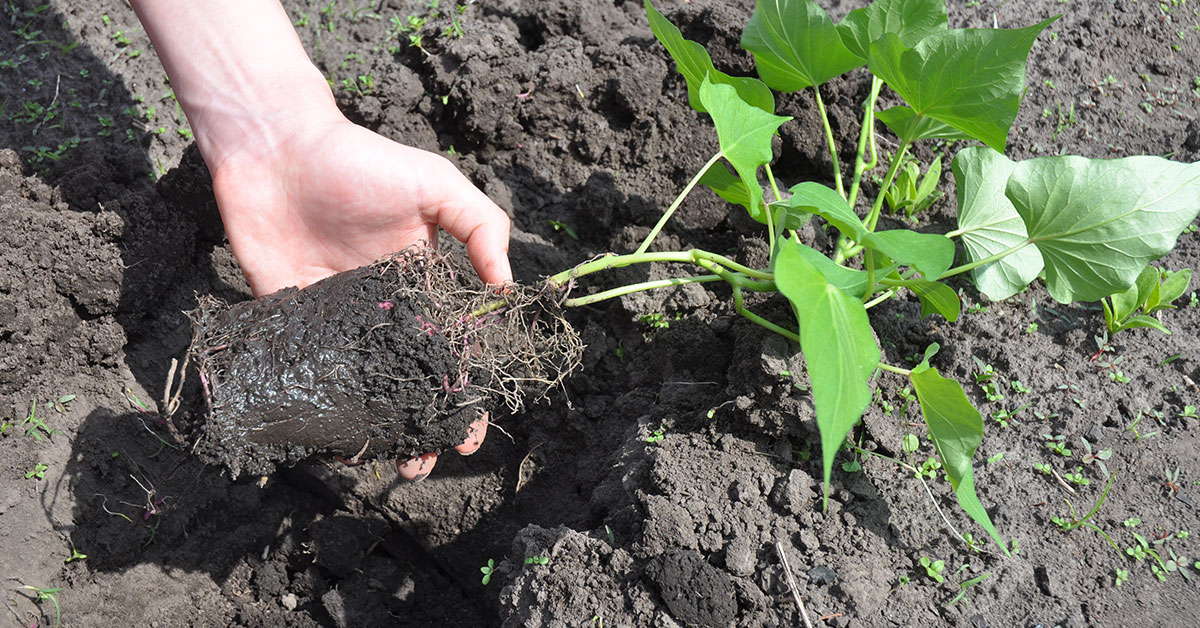
- Planting time: Sweet potatoes are typically grown from slips, which are young plants started from mature sweet potatoes. Purchase slips from a reputable source or grow your own by sprouting a sweet potato in water. Plant slips in the ground when the soil temperature reaches 60°F (15°C), usually 2-3 weeks after the last frost.
- Planting method: Dig trenches about 8-12 inches deep and 6 inches wide. Space the slips 12-18 inches apart in the trench, burying them about halfway. If you have limited space, you can also grow sweet potatoes in containers or raised beds.
- Watering: Sweet potatoes need consistent moisture, especially during the first few weeks after planting. Water deeply once or twice a week, providing about 1 inch of water each time. Avoid overwatering, as excessive moisture can lead to rot.
- Fertilization: Sweet potatoes are heavy feeders. Prior to planting, incorporate a balanced organic fertilizer into the soil. Side-dress the plants with additional fertilizer when they start to vine, and again after about 6 weeks. Avoid using high-nitrogen fertilizers, as they can promote excessive foliage growth at the expense of tuber development.
- Weed control: Keep the area around sweet potato plants weed-free, as weeds can compete for nutrients and water. Mulching with straw or wood chips can help suppress weeds and retain soil moisture.
- Vining support: Sweet potato plants produce long vines that can spread and take up a lot of space. Consider providing trellises or stakes to support the vines and keep them off the ground. This can also make harvesting easier.
- Pests and diseases: Sweet potatoes can be susceptible to pests like sweet potato weevils, wireworms, and nematodes. Monitor your plants regularly and take appropriate measures if you notice any signs of infestation. Diseases like fungal rot and leaf spot can also occur, so practice good sanitation and avoid overhead watering.
- Harvesting: Sweet potatoes are ready for harvest when the leaves start to turn yellow or die back, usually around 100-120 days after planting. Carefully dig up the tubers, being cautious not to damage them. Cure the harvested sweet potatoes by storing them in a warm (80-85°F or 27-29°C), humid place for about 10 days. This process improves their flavor and allows the skin to toughen.
By following these steps and considerations, you can successfully grow sweet potatoes and enjoy a bountiful harvest.
When to harvest sweet potatoes in Zone 9
In Zone 9, sweet potatoes are typically harvested in late summer or early fall, around 90-120 days after planting. The exact timing can vary depending on the specific variety of sweet potato you are growing and the weather conditions in your area. To determine if your sweet potatoes are ready for harvest, look for signs such as the vines starting to yellow and die back, or the sweet potatoes reaching a desirable size. It’s important to avoid leaving sweet potatoes in the ground too long after the vines have died back, as they can become overripe and prone to rotting.
Common sweet potato plant problems and fixes
Common problems when growing sweet potatoes include:
- Poor soil drainage: Sweet potatoes require well-draining soil to prevent waterlogging, which can lead to root rot. To fix this, amend the soil with organic matter such as compost or vermiculite to improve drainage.
- Pests: Sweet potatoes can be susceptible to pests such as sweet potato weevils, aphids, and whiteflies. To control these pests, use insecticidal soap or neem oil, and practice crop rotation to reduce pest populations.
- Disease: Sweet potatoes can be affected by diseases like fungal rots, leaf spots, and viruses. To prevent diseases, ensure proper spacing between plants for good air circulation, avoid overhead watering, and remove any infected plants or leaves promptly.
- Nutrient deficiencies: Sweet potatoes require adequate nutrients for healthy growth. Common deficiencies include nitrogen, phosphorus, and potassium. To address nutrient deficiencies, use a balanced organic fertilizer or apply specific nutrients based on soil test results.
- Improper curing and storage: After harvesting, sweet potatoes need to be cured and stored properly to prevent decay and maintain quality. Cure them in a warm, humid environment (80-85°F, 85-90% humidity) for about 10 days, then store them in a cool (55-60°F), dry place with good ventilation.
- Improper watering: Overwatering or underwatering can affect sweet potato growth and yield. Water consistently, keeping the soil evenly moist but not waterlogged. Mulching can help retain moisture and regulate soil temperature.
- Insufficient sunlight: Sweet potatoes require full sun (at least 6-8 hours per day) for optimal growth and tuber development. Ensure they are planted in a location that receives adequate sunlight.
By addressing these common problems and implementing appropriate solutions, you can increase the success of growing sweet potatoes.