
Welcome to the world of sweet potatoes! If you reside in Zone 8, you are in luck because this region offers an ideal climate for growing these delicious and nutritious tubers. Sweet potatoes thrive in warm temperatures and require a long growing season, making Zone 8 a perfect fit. In this article, we will explore the best time to plant sweet potatoes in Zone 8, taking into consideration the frost-free dates, soil temperature, and other essential factors that will ensure a successful sweet potato harvest.
Whether you are a seasoned gardener or a beginner, get ready to learn all about the optimal planting time for sweet potatoes in Zone 8 and get ready to enjoy a bountiful harvest of these versatile and flavorful root vegetables.
Best varieties of sweet potato to grow in Zone 8
In Zone 8, you have a wide range of sweet potato varieties to choose from. Here are a few popular ones that tend to perform well in this zone:
- Beauregard: This is one of the most widely grown sweet potato varieties. It has a reddish-orange skin and moist, orange flesh. Beauregard is known for its high yield and disease resistance.
- Covington: Covington sweet potatoes have a copper-colored skin and deep orange flesh. They are known for their excellent flavor and high yield. Covington is also resistant to cracking and diseases.
- Georgia Jet: This variety is known for its early maturity, making it a good choice for shorter growing seasons. Georgia Jet has a dark red skin and orange flesh. It is known for its sweet flavor and good storage qualities.
- Centennial: Centennial sweet potatoes have a rose-colored skin and deep orange flesh. They are known for their high yield and disease resistance. Centennial sweet potatoes also have a good flavor and store well.
- Orleans: Orleans sweet potatoes have a reddish-purple skin and orange flesh. They are known for their excellent flavor and high yield. Orleans is also resistant to cracking and diseases.
Remember to consider factors such as taste preferences, disease resistance, and storage capabilities when choosing the best sweet potato variety for your specific needs.
When to plant sweet potatoes in Zone 8
In Zone 8, the best time to plant sweet potatoes is typically in late spring or early summer when the soil temperature has warmed up to at least 60°F (15°C). This usually occurs around late May or early June. Sweet potatoes are warm-season crops and require a long growing season of around 90 to 120 days, so it’s important to plant them when the risk of frost has passed and the soil is warm enough for optimal growth.
How to grow sweet potatoes in Zone 8
Growing sweet potatoes requires careful planning and attention to detail. Here are the steps and considerations to keep in mind:
Climate and Timing:
- Sweet potatoes thrive in warm climates with a long growing season of at least 100-140 frost-free days.
- The soil temperature should be consistently above 60°F (15°C) for successful growth.
- Start planting sweet potatoes after the last frost date in your area.
Soil Preparation:
- Choose a well-draining soil with a pH level between 5.8 and 6.2.
- Amend the soil with organic matter, such as compost or aged manure, to improve fertility and drainage.
- Remove any rocks, weeds, or debris from the planting area.
Propagation:
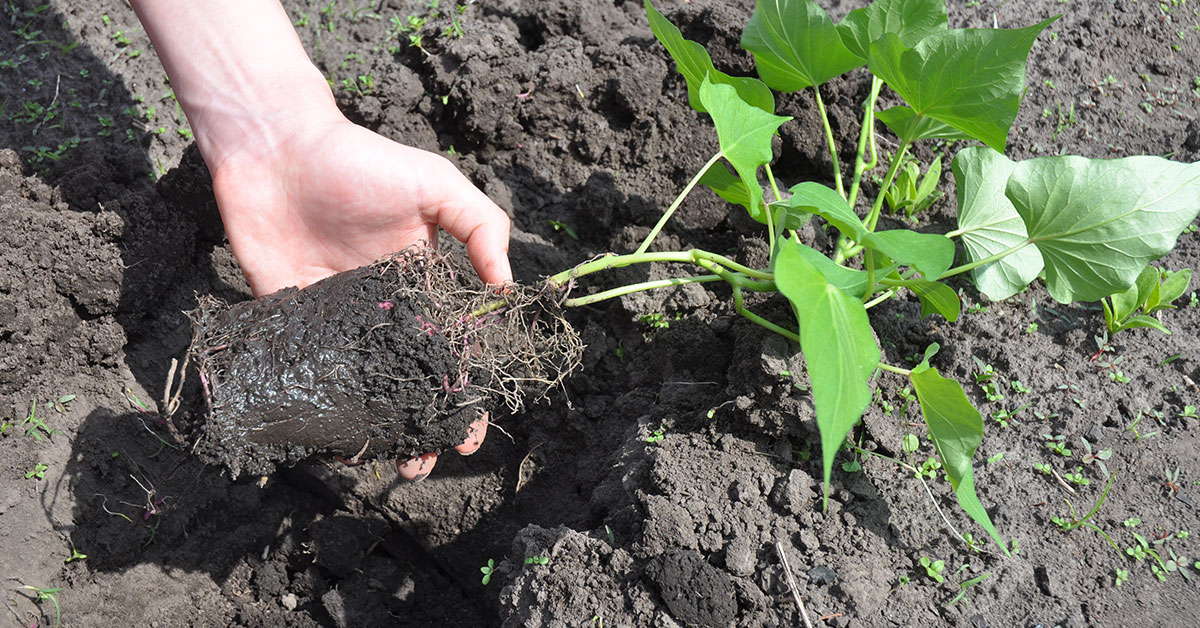
- Sweet potatoes are typically grown from slips, which are small rooted sprouts.
- Purchase certified disease-free slips from a reputable nursery or start your own slips by placing a sweet potato in water until sprouts emerge.
- Once the slips are around 6-8 inches long, gently remove them from the sweet potato and allow them to dry for a day or two before planting.
Planting:
- Dig trenches or mounds that are 8-12 inches high and 12-18 inches wide.
- Space the slips 12-18 inches apart in the trenches, burying them halfway, leaving the top foliage exposed.
- If planting in rows, space the rows 3-4 feet apart to allow for good airflow and easy harvesting.
Care and Maintenance:
- Water the sweet potatoes regularly, aiming for about 1 inch of water per week.
- Mulch the plants with straw or organic mulch to conserve moisture, suppress weeds, and regulate soil temperature.
- Fertilize the plants with a balanced organic fertilizer or compost tea every 4-6 weeks.
- Regularly remove weeds to prevent competition for nutrients and water.
- Sweet potatoes are vining plants, so provide support like trellises or stakes if desired.
Pests and Diseases:
- Common pests include sweet potato weevils, wireworms, and whiteflies. Monitor regularly and use organic pest control methods if necessary.
- Diseases like sweet potato scurf, root rot, and fusarium wilt can be prevented by practicing crop rotation, ensuring good drainage, and avoiding over-watering.
Harvesting:
- Sweet potatoes are typically ready for harvest 90-170 days after planting, depending on the variety.
- Harvesting can be done when the leaves start to yellow and die back, usually in late summer or early fall.
- Carefully dig around the plants and lift the tubers out of the ground. Avoid bruising or damaging them.
- Cure the harvested sweet potatoes by placing them in a warm, humid environment (80-85°F, 85-90% humidity) for 10-14 days. This process helps to sweeten the flavor and toughen the skin.
By following these steps and considerations, you can successfully grow sweet potatoes and enjoy a bountiful harvest.
When to harvest sweet potatoes in Zone 8
In Zone 8, sweet potatoes are typically harvested in the late summer or early fall, around 100-120 days after planting. The exact timing can vary depending on the specific variety you are growing and the weather conditions in your area. It is important to monitor the plants closely for signs of maturity before harvesting. Look for the foliage to start yellowing and dying back, which is an indication that the tubers are reaching maturity. Additionally, you can gently dig around the base of the plant to check the size of the tubers. Once they have reached a desirable size, you can begin harvesting.
Common sweet potato plant problems and fixes
Common problems when growing sweet potatoes include:
- Poor soil drainage: Sweet potatoes require well-draining soil to prevent root rot. To improve drainage, amend the soil with organic matter such as compost or sand.
- Pest infestations: Sweet potatoes can be attacked by pests like sweet potato weevils, aphids, or whiteflies. Use organic pest control methods such as neem oil or insecticidal soap to manage these pests.
- Disease issues: Sweet potatoes are susceptible to diseases like sweet potato scurf, Fusarium wilt, or root rot. Practice crop rotation, ensure good air circulation, and avoid overwatering to prevent these diseases. If necessary, apply appropriate fungicides as per the instructions.
- Improper watering: Overwatering can lead to root rot, while underwatering can result in stunted growth. Water sweet potatoes deeply once a week, ensuring the soil is moist but not waterlogged. Mulching can help retain moisture.
- Lack of sunlight: Sweet potatoes require full sun (at least 6-8 hours per day) for optimal growth. If they are not receiving enough sunlight, consider transplanting them to a sunnier location.
- Improper spacing: Sweet potatoes need enough space to spread out and grow. Plant them at least 12-18 inches apart to allow for proper development of tubers.
- Inadequate fertilization: Sweet potatoes are heavy feeders and require regular fertilization. Use a balanced organic fertilizer or one specifically formulated for root crops. Apply according to the package instructions.
By addressing these common problems, you can increase the chances of successfully growing sweet potatoes.