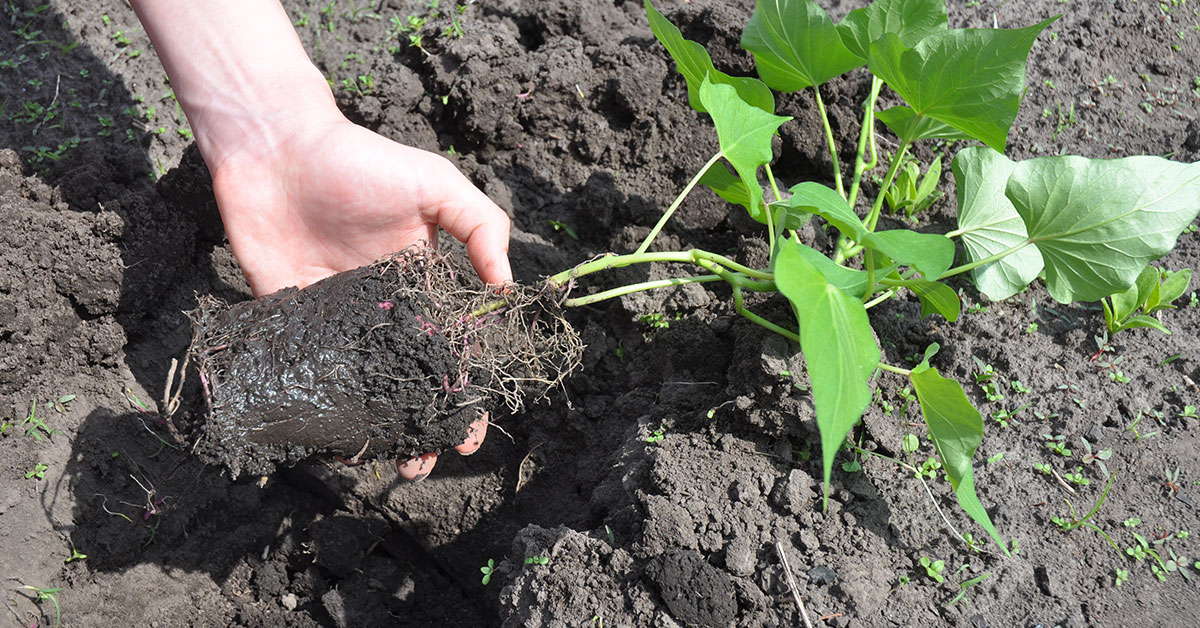

Welcome to the world of sweet potatoes, where deliciousness and versatility collide! If you’re a gardening enthusiast residing in Zone 7, you’re in luck. This article will guide you through the optimal timing for planting sweet potatoes in your region. Zone 7, which encompasses areas with an average minimum temperature range of 0°F to 10°F (-18°C to -12°C), offers a favorable climate for sweet potato cultivation. By understanding the ideal planting window, you can ensure a successful harvest of these delectable tubers. So, grab your gardening gloves and let’s dive into when to plant sweet potatoes in Zone 7.
Best varieties of sweet potato to grow in Zone 7
In Zone 7, which has a moderate climate with mild winters and warm summers, several sweet potato varieties can thrive. Here are a few recommended varieties that tend to perform well in Zone 7:
- Beauregard: This is a popular variety known for its high yields and excellent flavor. It has a relatively short growing season, making it suitable for Zone 7’s shorter summers.
- Covington: Covington is another widely grown variety that produces large, uniform sweet potatoes. It has good disease resistance and performs well in various soil types.
- Georgia Jet: This variety is favored for its early maturity and ability to produce well in cooler climates. It has a shorter growing season and can be harvested earlier than many other varieties.
- Centennial: Centennial is a variety that performs well in both warm and cool climates. It has good disease resistance and produces sweet potatoes with a deep orange flesh.
- Vardaman: Vardaman is a compact variety that is suitable for smaller garden spaces. It produces medium-sized sweet potatoes and has good resistance to diseases.
Remember, while these varieties are recommended for Zone 7, it’s always a good idea to check with local nurseries or agricultural extension offices for specific recommendations based on your microclimate and soil conditions.
When to plant sweet potatoes in Zone 7
In Zone 7, the best time to plant sweet potatoes is in late spring or early summer, once the soil has warmed up to at least 60°F (15°C). The exact timing will depend on your specific location within Zone 7, but typically, planting sweet potatoes around mid to late May is a good guideline. This ensures that the soil is warm enough for the sweet potato slips to establish and grow properly.
How to grow sweet potatoes
Growing sweet potatoes requires careful planning and attention to detail. Here are the steps and considerations to keep in mind:
- Climate and Soil: Sweet potatoes thrive in warm climates with a long growing season. They require well-draining soil with a pH between 5.8 and 6.2. Choose a sunny spot in your garden that receives at least 6-8 hours of direct sunlight.
- Starting Slips: Sweet potatoes are typically grown from slips, which are small rooted cuttings. You can purchase slips from a local nursery or start your own by placing a sweet potato in a jar of water, suspending it with toothpicks. Within a few weeks, it will develop roots and sprouts. Once the sprouts are around 6-8 inches long, gently twist them off the sweet potato and place them in water to develop roots.
- Preparing the Soil: Before planting, prepare the soil by removing any weeds, rocks, or debris. Loosen the soil to a depth of 8-10 inches and amend it with organic matter like compost or well-rotted manure to improve fertility and drainage.
- Planting: Wait until the soil has warmed up to at least 60°F (15°C) before planting your slips. Dig 4-6 inch deep holes and space them about 12-18 inches apart in rows that are 3-4 feet apart. Place the slips in the holes, burying the bottom two-thirds of the stem and leaving the top third exposed.
- Watering: Sweet potatoes require consistent moisture, especially during the first few weeks after planting. Water deeply, ensuring the soil is evenly moist but not waterlogged. Once established, reduce watering to prevent rotting.
- Fertilizing: Sweet potatoes are heavy feeders and benefit from regular fertilization. Apply a balanced organic fertilizer or a slow-release granular fertilizer according to the package instructions. Avoid excessive nitrogen, as it can promote foliage growth at the expense of tuber development.
- Mulching: Apply a layer of organic mulch, such as straw or wood chips, around the plants to suppress weeds, conserve moisture, and maintain a more even soil temperature.
- Pest and Disease Control: Sweet potatoes are generally resistant to pests and diseases, but some common issues include sweet potato weevils, wireworms, and fungal diseases like black rot and fusarium wilt. Practice good garden hygiene, rotate crops, and monitor for any signs of infestation or disease. Use organic pest control methods if necessary.
- Harvesting: Sweet potatoes are ready for harvest when the foliage begins to yellow and die back, usually around 90-120 days after planting. Carefully dig up the tubers using a garden fork or shovel, being cautious not to damage them. Cure the harvested sweet potatoes by placing them in a warm, humid environment (around 85°F/29°C) for 10-14 days. This process helps to sweeten the flavor and improve storage life.
By following these steps and considerations, you can successfully grow sweet potatoes in your garden and enjoy a bountiful harvest.
When to harvest sweet potatoes in Zone 7
In Zone 7, sweet potatoes are typically harvested in the late summer or early fall, around 90-120 days after planting. The exact timing can vary depending on the specific variety of sweet potato you are growing and the weather conditions in your area. To determine if your sweet potatoes are ready for harvest, look for signs such as yellowing of the leaves, withering of the vines, and the development of a thick skin on the tubers. It’s important to harvest sweet potatoes before the first frost, as cold temperatures can damage the tubers.
Common sweet potato plant problems and fixes
There are several common problems that can occur when growing sweet potatoes, but most of them can be addressed with proper care and attention. Here are some common problems and their fixes:
- Poor Soil Drainage: Sweet potatoes require well-draining soil to prevent waterlogged roots. If your soil doesn’t drain well, you can amend it by adding organic matter such as compost or aged manure to improve drainage.
- Pests: Sweet potatoes can be susceptible to pests like sweet potato weevils, aphids, and whiteflies. To control these pests, you can use organic insecticidal soaps or neem oil. Regularly inspect your plants for signs of infestation and take appropriate measures.
- Diseases: Sweet potatoes can be affected by diseases such as fungal rots, leaf spots, and viruses. To prevent diseases, practice crop rotation, avoid overwatering, and provide adequate spacing between plants for good air circulation. If you notice any signs of disease, remove and destroy infected plants to prevent further spread.
- Nutrient Deficiencies: Sweet potatoes require a balanced supply of nutrients for healthy growth. Common nutrient deficiencies include nitrogen, phosphorus, and potassium. Regularly fertilize your plants with a balanced organic fertilizer or use specific fertilizers formulated for sweet potatoes to ensure they receive adequate nutrients.
- Improper Harvesting: Harvesting sweet potatoes at the right time is crucial. If harvested too early, they may not have developed their full flavor and sweetness. If harvested too late, they can become woody or develop a bitter taste. Harvest sweet potatoes when the leaves start to yellow and die back, typically around 100-120 days after planting.
Remember, prevention is key to avoiding common problems. Providing proper care, including regular watering, mulching, and weed control, will help your sweet potatoes thrive and minimize the risk of issues.