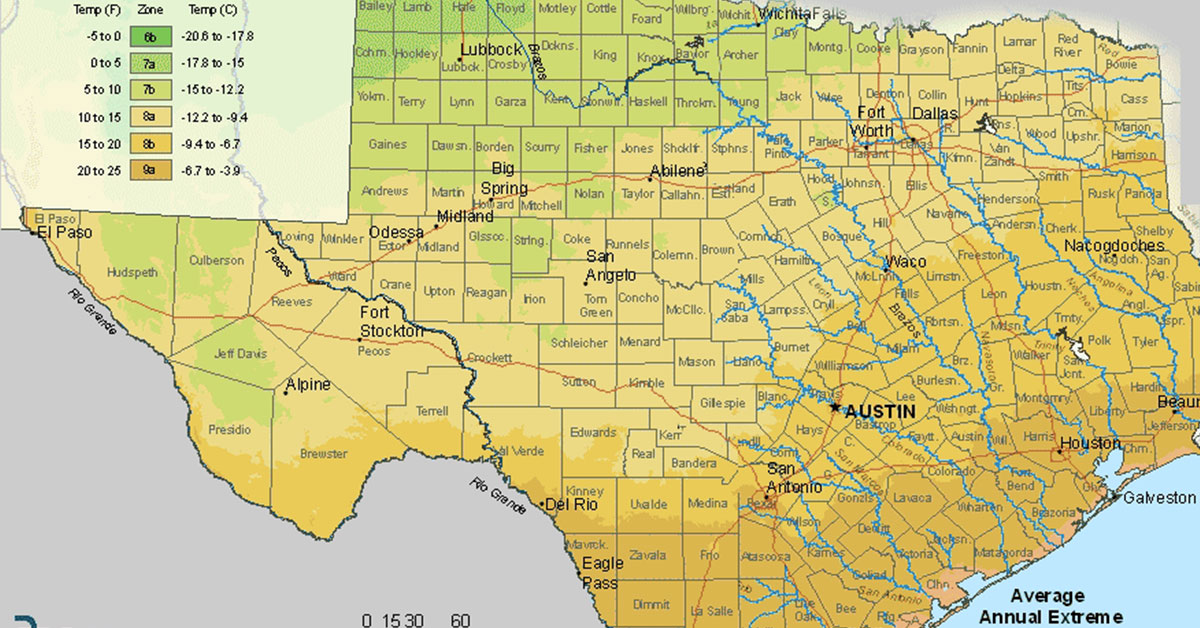

Welcome to the lush world of gardening in Plano, Texas! Nestled in the heart of the Lone Star State, Plano boasts a unique climate that presents both opportunities and challenges for avid gardeners. One crucial factor to consider when planning your garden in Plano is the USDA hardiness zone. Plano falls within the USDA hardiness zone 8a, which means that the average annual minimum temperature ranges from 10 to 15 degrees Fahrenheit (-12 to -9 degrees Celsius).
Understanding this zone is essential for selecting plants that can thrive in Plano’s specific climate conditions. In this article, we will explore the significance of the USDA hardiness zone in Plano and provide valuable insights and tips to help you create a thriving garden in this beautiful city.
What is Plano’s USDA hardiness zone?
The USDA hardiness zone is a system developed by the United States Department of Agriculture (USDA) to categorize regions based on their average annual minimum temperatures. This system helps gardeners and plant enthusiasts determine which plants are most likely to thrive in a particular area. Plano, Texas falls within USDA hardiness zone 8a. This means that the average annual minimum temperature in Plano ranges from 10 to 15 degrees Fahrenheit (-12 to -9 degrees Celsius).
It is important to note that this is just an average, and extreme weather events can cause temperatures to fall outside this range. Knowing the hardiness zone is crucial for gardeners as it helps them select plants that can withstand the local climate conditions. Plants that are not suited to the zone’s temperature range may struggle to survive or even die. Therefore, it is essential to choose plants that are recommended for zone 8a to ensure successful growth. In Plano’s hardiness zone 8a, gardeners have a wide range of plant options.
Many popular garden plants, including perennials, annuals, shrubs, and trees, can thrive in this zone. Some examples of plants suitable for this zone include lantana, salvia, black-eyed Susan, lavender, rosemary, crape myrtle, and oak trees. It is also important to consider other factors besides temperature when selecting plants. Soil type, sun exposure, humidity, and rainfall patterns should also be taken into account. Plano has a humid subtropical climate, which means hot summers and mild winters.
The region typically receives ample rainfall throughout the year, but it is advisable to monitor and adjust watering practices accordingly. In conclusion, Plano, Texas is classified as USDA hardiness zone 8a, with an average annual minimum temperature ranging from 10 to 15 degrees Fahrenheit. Gardeners in this zone have a wide variety of plant options, but it is important to consider other factors such as soil type, sun exposure, and rainfall patterns when selecting plants for optimal growth and success.
When can you plant your garden in Plano?
In Plano, Texas, the ideal planting times for different plants can vary based on the USDA hardiness zone. Plano falls under USDA hardiness zone 8a, which means it experiences an average minimum temperature range of 10 to 15 degrees Fahrenheit (-6.7 to -9.4 degrees Celsius). Here are some guidelines for planting in Plano based on the hardiness zone:
- Early Spring: As the winter frost recedes, early spring is an excellent time to start planting cool-season crops such as lettuce, spinach, kale, carrots, and radishes. These plants can tolerate cooler temperatures and will thrive in the mild spring weather.
- Late Spring: By late spring, the danger of frost has usually passed, making it a suitable time to plant warm-season vegetables and annual flowers. Popular choices include tomatoes, peppers, cucumbers, squash, beans, marigolds, zinnias, and petunias.
- Summer: Plano experiences hot and humid summers, so it’s important to choose heat-tolerant plants for this season. Consider planting heat-loving vegetables like okra, eggplant, and sweet potatoes. Additionally, you can plant heat-resistant flowers such as vinca, cosmos, and sunflowers.
- Fall: Fall is an excellent time for planting in Plano, as the temperatures start to cool down. It’s a great time to sow cool-season crops like broccoli, cauliflower, cabbage, and Brussels sprouts. You can also plant perennials, shrubs, and trees during this time, allowing them to establish their root systems before winter.
- Winter: While winters in Plano are relatively mild, it’s still a good idea to focus on maintenance and protection during this season. Mulching around plants can help insulate the soil and protect the roots from freezing temperatures. You can also consider planting cool-season flowers like pansies and snapdragons, which can add color to your garden during the winter months.
Remember, these are general guidelines, and it’s essential to consider specific plant requirements and local weather conditions when planning your garden in Plano.
What grows well in Plano?
Plano, Texas falls within USDA hardiness zone 8a, which means it experiences an average minimum temperature range of 10 to 15 degrees Fahrenheit (-12 to -9 degrees Celsius). This zone allows for a wide variety of plants to thrive. Here is a comprehensive list of plants that grow well in Plano:
- Live Oak (Quercus virginiana)
- Cedar Elm (Ulmus crassifolia)
- Texas Red Oak (Quercus buckleyi)
- Pecan (Carya illinoinensis)
- Southern Magnolia (Magnolia grandiflora)
- Mexican Plum (Prunus mexicana)
- Desert Willow (Chilopsis linearis)
- Texas Ash (Fraxinus texensis)
- Chinese Pistache (Pistacia chinensis)
- Yaupon Holly (Ilex vomitoria)
- Dwarf Burford Holly (Ilex cornuta ‘Burfordii Nana’)
- Indian Hawthorn (Rhaphiolepis indica)
- Texas Sage (Leucophyllum frutescens)
- Rosemary (Rosmarinus officinalis)
- Nandina (Nandina domestica)
- Wax Myrtle (Myrica cerifera)
- Agarita (Mahonia trifoliolata)
- Dwarf Yaupon (Ilex vomitoria ‘Nana’)
- Black-eyed Susan (Rudbeckia hirta)
- Purple Coneflower (Echinacea purpurea)
- Mexican Hat (Ratibida columnifera)
- Salvia (Salvia spp.)
- Lantana (Lantana spp.)
- Daylilies (Hemerocallis spp.)
- Coreopsis (Coreopsis spp.)
- Russian Sage (Perovskia atriplicifolia)
- Autumn Sage (Salvia greggii)
- Marigold (Tagetes spp.)
- Zinnia (Zinnia spp.)
- Petunia (Petunia spp.)
- Geranium (Pelargonium spp.)
- Vinca (Catharanthus roseus)
- Portulaca (Portulaca grandiflora)
- Celosia (Celosia spp.)
- Sunflower (Helianthus spp.)
- Cosmos (Cosmos bipinnatus)
- Carolina Jessamine (Gelsemium sempervirens)
- Crossvine (Bignonia capreolata)
- Trumpet Vine (Campsis radicans)
- Passionflower (Passiflora spp.)
- Confederate Jasmine (Trachelospermum jasminoides)
Remember to consider factors such as soil type, sunlight exposure, and water requirements when selecting plants for your specific garden in Plano.
What won’t grow in Plano?
Plano, Texas is located in USDA hardiness zone 8a, which means it experiences average minimum winter temperatures of 10-15°F (-9 to -12°C). While many plants can thrive in this zone, there are some that may struggle or not perform well. Here are a few examples of plants that may not thrive in Plano:
- Tropical plants: Plants that require consistently warm temperatures and high humidity, such as banana trees (Musa spp.), hibiscus (Hibiscus spp.), and orchids (Orchidaceae), may struggle in Plano’s colder winters.
- Cold-sensitive perennials: Some perennials, like certain varieties of lavender (Lavandula spp.), rosemary (Rosmarinus officinalis), and certain types of salvias (Salvia spp.), may struggle to survive the colder temperatures in Plano.
- Frost-sensitive annuals: Annuals that are highly susceptible to frost damage, such as impatiens (Impatiens spp.), begonias (Begonia spp.), and coleus (Plectranthus scutellarioides), may not thrive in Plano’s climate.
- Certain fruit trees: Some fruit trees, like citrus trees (Citrus spp.), may not be able to tolerate the colder temperatures in Plano. However, there are cold-hardy fruit tree varieties available that can be grown successfully in this zone, such as peaches (Prunus persica) and apples (Malus domestica).
- Some types of grass: Certain warm-season grasses, like St. Augustine grass (Stenotaphrum secundatum) and Zoysia grass (Zoysia spp.), may struggle in Plano’s colder winters. However, there are cold-tolerant grass options available for this zone, such as Bermuda grass (Cynodon dactylon) and buffalo grass (Bouteloua dactyloides).
It’s important to note that while these plants may not thrive in Plano’s climate, it doesn’t mean they can’t be grown at all. With proper care, protection from extreme temperatures, and microclimate adjustments, it’s possible to grow a wide variety of plants in this zone.