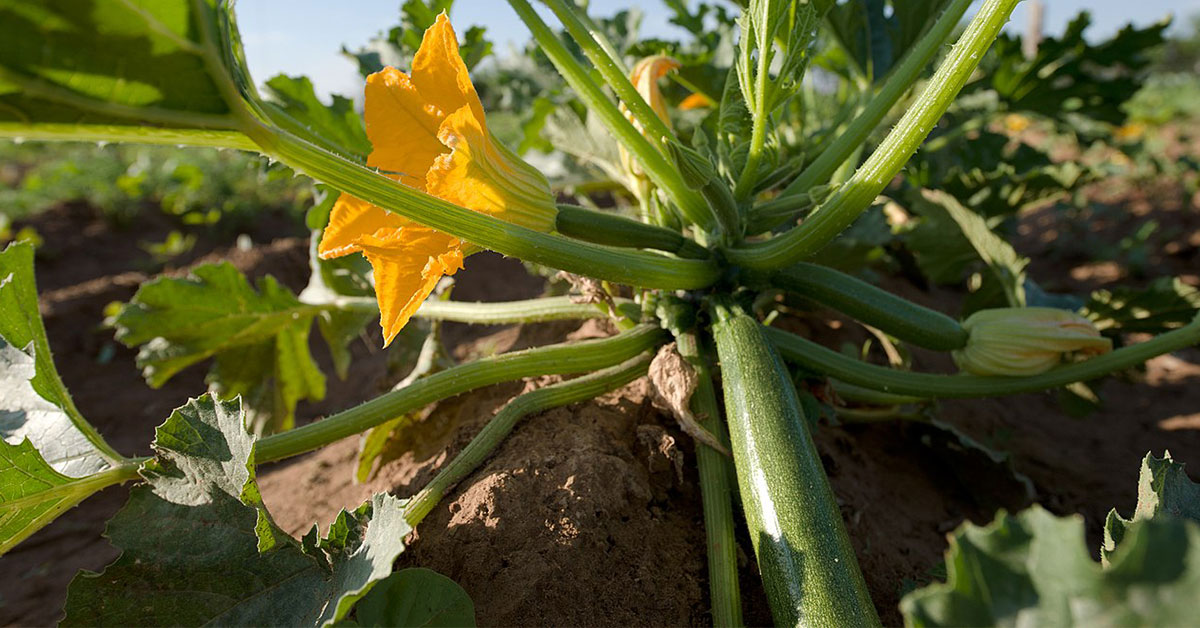

When it comes to growing zucchini in New Zealand, timing is everything. With its warm and temperate climate, New Zealand offers the perfect conditions for this versatile and prolific vegetable to thrive. However, knowing the optimal time to plant zucchini is crucial for a successful harvest. In this article, we will delve into the specifics of when to plant zucchini in New Zealand, taking into account the different climate zones and providing helpful tips to help you achieve a successful and rewarding zucchini harvest.
Best varieties of Zucchini to grow in New Zealand
In New Zealand, there are several varieties of zucchini that grow well in our climate. Here are a few popular choices:
- Black Beauty: This is a classic zucchini variety that performs well in New Zealand. It produces dark green fruits with a firm texture and excellent flavor.
- Costata Romanesco: Also known as Romanesco zucchini, this variety has ribbed, pale green fruits. It has a nutty flavor and is great for grilling or sautéing.
- Lebanese: Lebanese zucchini is a smaller variety that is perfect for small gardens or containers. It produces light green fruits with a delicate flavor and tender skin.
- Cocozelle: Cocozelle zucchini has a unique appearance with light green fruits and dark green stripes. It has a mild flavor and is great for both cooking and eating raw.
- Greyzini: Greyzini is a newer variety that is gaining popularity in New Zealand. It produces grey-green fruits with a sweet and nutty flavor. It is also resistant to powdery mildew.
These are just a few examples, and there are many other zucchini varieties that can be grown successfully in New Zealand. It’s always a good idea to check with local nurseries or seed suppliers for varieties that are specifically suited to your region.
When to plant Zucchini in New Zealand
The best time to plant zucchini in New Zealand is during the warmer months, typically from late spring to early summer. This is when the soil temperature is consistently above 15°C (59°F), which is ideal for germination and growth. In most regions of New Zealand, this would be around October to December. It’s important to note that zucchini plants are sensitive to frost, so it’s best to wait until the risk of frost has passed before planting them outdoors.
When to harvest Zucchini in New Zealand
Zucchini can be harvested in New Zealand from late spring to early autumn, typically from November to April. The exact timing will depend on the specific region and growing conditions. It is best to harvest zucchini when they are young and tender, usually around 15-20 centimeters in length. Regularly check the plants for mature zucchini and harvest them promptly to encourage continuous production. Overripe zucchini can become tough and less flavorful.
Other considerations
When growing zucchini in New Zealand, there are several important considerations to keep in mind:
- Climate: Zucchini thrives in warm weather, so choose a sunny spot in your garden that receives at least 6-8 hours of direct sunlight per day. In New Zealand, zucchini can be grown in most regions, but they may require additional protection or care in colder areas.
- Soil: Zucchini prefers well-draining soil that is rich in organic matter. Before planting, amend the soil with compost or well-rotted manure to improve its fertility and drainage. The soil pH should be slightly acidic to neutral (around 6.0-7.0).
- Planting: Zucchini can be directly sown in the garden or started indoors in seed trays. If starting indoors, sow the seeds 3-4 weeks before the last frost date. Transplant the seedlings outdoors once the soil has warmed up and there is no risk of frost. Space the plants about 90-120 cm apart to allow for their sprawling growth habit.
- Watering: Zucchini plants require regular watering, especially during dry periods. Water deeply and consistently to keep the soil evenly moist, but avoid overwatering, as it can lead to root rot. Mulching around the plants can help retain moisture and suppress weeds.
- Fertilization: Zucchini is a heavy feeder and benefits from regular fertilization. Apply a balanced organic fertilizer or compost at planting time and side-dress with additional fertilizer every 3-4 weeks throughout the growing season. Avoid excessive nitrogen fertilizers, as they can promote leafy growth at the expense of fruit production.
- Pollination: Zucchini plants rely on pollinators, such as bees, to transfer pollen between male and female flowers. To ensure good pollination, avoid using pesticides that can harm bees and other beneficial insects. You can also hand-pollinate zucchini flowers by transferring pollen from the male flowers to the female flowers using a small brush or cotton swab.
- Pest and disease control: Zucchini can be susceptible to various pests and diseases, including aphids, powdery mildew, and cucumber beetles. Monitor your plants regularly and take appropriate action if you notice any signs of infestation or disease. Organic pest control methods, such as handpicking insects or using insecticidal soap, can be effective in managing pests.
- Harvesting: Zucchini is best harvested when the fruit is young and tender, usually around 15-20 cm in length. Regularly check your plants and harvest the zucchini before they become oversized and develop tough skins. Harvesting regularly also encourages the plant to produce more fruit.
By considering these factors, you can successfully grow zucchini in New Zealand and enjoy a bountiful harvest.