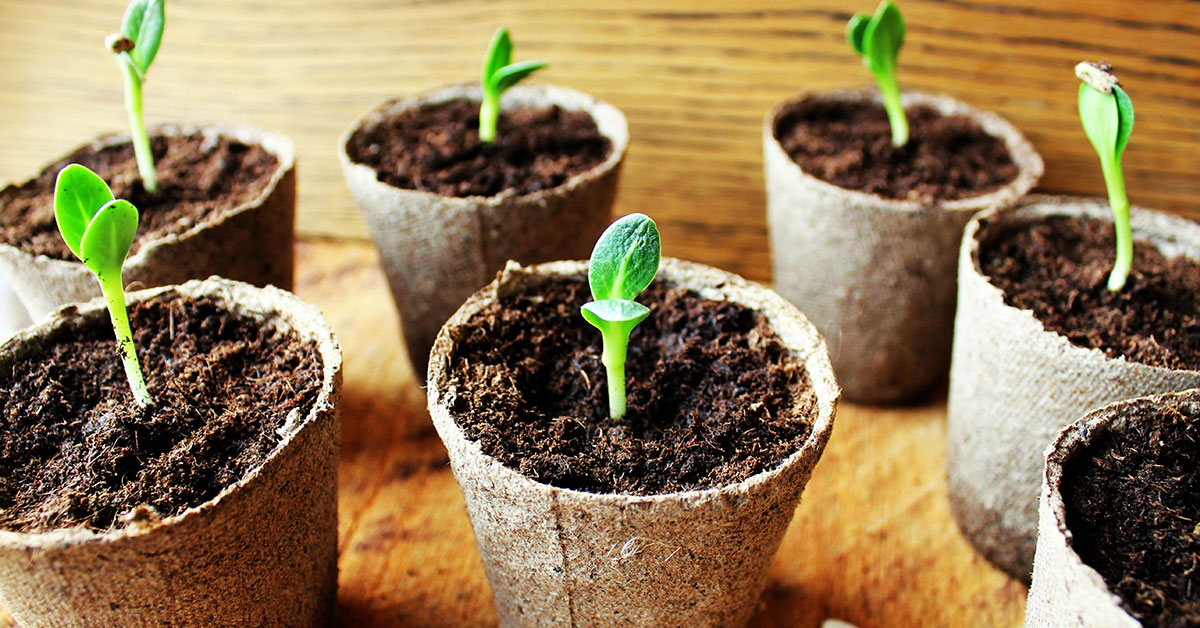

When it comes to growing pumpkins in New Zealand, timing is everything. With its diverse climate and varying regional conditions, knowing the optimal time to plant pumpkins is crucial for a successful harvest. Pumpkins are warm-season crops that require a long growing period, making it essential to choose the right time to sow the seeds. In this article, we will delve into the factors that influence the ideal planting time for pumpkins in New Zealand.
From the frost-free Northland to the cooler South Island, we will explore the nuances of each area and provide valuable insights to help you maximize your pumpkin yield. So, whether you’re a seasoned gardener or a novice enthusiast, read on to discover the best time to plant pumpkins in New Zealand and ensure a bountiful harvest.
Best varieties of Pumpkins to grow in New Zealand
There are several varieties of pumpkins that grow well in New Zealand’s climate. Here are some popular choices:
- Crown Prince: This variety is known for its excellent flavor and deep orange flesh. It has a thick skin, making it a good option for storing. Crown Prince pumpkins require a long growing season and plenty of space to spread.
- Butternut: Butternut pumpkins are a favorite among gardeners due to their sweet, nutty flavor and smooth texture. They have a tan-colored skin and orange flesh. Butternut pumpkins are relatively compact and can be grown in smaller spaces.
- Queensland Blue: This variety has a distinctive blue-gray skin and vibrant orange flesh. Queensland Blue pumpkins are known for their excellent storage capabilities and are often used for baking and roasting.
- Buttercup: Buttercup pumpkins have a dark green skin and bright orange flesh. They have a sweet and nutty flavor, similar to butternut pumpkins. Buttercup pumpkins are relatively compact and can be grown in smaller gardens.
- Musquee de Provence: This French heirloom variety is known for its unique appearance and excellent flavor. Musquee de Provence pumpkins have a ribbed, flattened shape and a deep orange flesh. They require a long growing season and plenty of space to spread.
- Atlantic Giant: If you’re looking to grow giant pumpkins for competitions or display purposes, the Atlantic Giant variety is a good choice. These pumpkins can grow to enormous sizes but require a lot of space, nutrients, and attention to achieve their full potential.
Remember to consider your specific growing conditions, such as sunlight, soil type, and available space, when selecting pumpkin varieties for your garden.
When to plant Pumpkins in New Zealand
The best time to plant pumpkins in New Zealand is during spring, specifically from late September to early November. This timing allows for the soil to warm up and for frost to pass, which is important for the successful growth of pumpkins. It is also recommended to plant pumpkins when the soil temperature reaches around 15-18 degrees Celsius. This will provide the ideal conditions for germination and healthy growth of the plants.
When to harvest Pumpkins in New Zealand
Pumpkins in New Zealand are typically harvested in late summer or early autumn, which is around March to May. The exact timing can vary depending on the specific variety of pumpkin and the growing conditions in your region. It is important to monitor the maturity of the pumpkins by checking their color, skin hardness, and stem drying out. When the pumpkins have reached their full size, have a deep orange color, and the stem has dried and turned brown, they are usually ready for harvest. It is recommended to harvest pumpkins before the first frost, as cold temperatures can damage the fruit.
Other considerations
When growing pumpkins in New Zealand, there are several important considerations to keep in mind:
- Climate: Pumpkins thrive in warm and sunny conditions. In New Zealand, it is best to plant pumpkins in late spring or early summer when the soil temperature has warmed up. They require a long growing season, so choose pumpkin varieties that are suitable for your region’s climate.
- Soil: Pumpkins prefer well-draining soil that is rich in organic matter. Before planting, prepare the soil by adding compost or well-rotted manure to improve its fertility and structure. The soil pH should be slightly acidic to neutral (around 6.0-7.0).
- Location: Choose a sunny spot in your garden with at least 6-8 hours of direct sunlight per day. Pumpkins need ample space to spread out, so ensure they have enough room to grow without crowding other plants.
- Watering: Pumpkins require regular watering, especially during dry periods. Water deeply and consistently to ensure the soil remains evenly moist but not waterlogged. Avoid overhead watering, as wet foliage can promote fungal diseases.
- Mulching: Apply a layer of organic mulch, such as straw or wood chips, around the base of the plants. Mulching helps to conserve moisture, suppress weed growth, and regulate soil temperature.
- Fertilization: Pumpkins are heavy feeders and benefit from regular fertilization. Before planting, incorporate a balanced organic fertilizer into the soil. Once the plants start to grow, side-dress them with compost or a nitrogen-rich fertilizer every few weeks to promote healthy growth and fruit development.
- Pollination: Pumpkins have separate male and female flowers, and they rely on bees and other pollinators for successful fruit set. To ensure good pollination, encourage pollinators to visit your garden by planting flowers that attract them, such as lavender or marigolds.
- Pest and disease control: Keep an eye out for common pumpkin pests like aphids, squash bugs, and vine borers. Regularly inspect the plants and take appropriate measures, such as handpicking or using organic pest control methods, to manage infestations. Additionally, be vigilant for diseases like powdery mildew and downy mildew, and promptly treat them with appropriate fungicides if necessary.
- Harvesting: Pumpkins are ready for harvest when the skin has hardened and turned a deep, consistent color. The stem should be dry and starting to crack. Cut the pumpkins from the vine, leaving a few inches of stem attached. Cure them in a warm, dry place for a couple of weeks to improve their storage life.
By considering these factors, you can increase your chances of successfully growing pumpkins in New Zealand.