
Welcome to the vibrant world of gardening in Oklahoma City, where the beauty of nature thrives amidst the unique challenges of the region’s climate. Nestled in the heart of the Great Plains, Oklahoma City experiences a diverse range of weather conditions, making it essential for gardeners to understand and work within the USDA hardiness zone system.
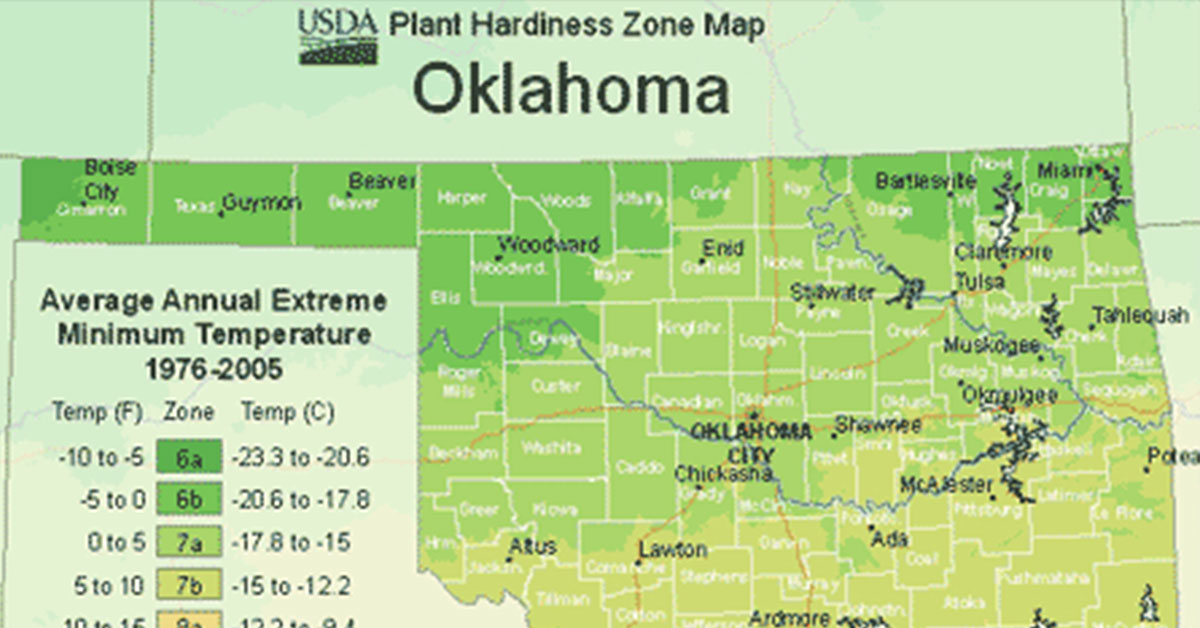
The USDA hardiness zone is a crucial tool that helps gardeners determine which plants are most likely to thrive in their specific area. In Oklahoma City, the hardiness zone ranges from 7a to 7b, indicating the average minimum winter temperatures of 0°F to 10°F. This knowledge allows gardeners to select plants that can withstand the occasional freezing temperatures, while still enjoying the bountiful rewards of a flourishing garden.
So, whether you’re a seasoned gardener or just starting out, join us as we explore the wonders of gardening in Oklahoma City and discover the secrets to creating a thriving garden in this unique and dynamic environment.
What is Oklahoma City’s USDA hardiness zone?
The USDA hardiness zone is a classification system used to determine the suitability of plants for specific regions based on their ability to withstand the average annual minimum temperatures. In the case of Oklahoma City, it falls under USDA hardiness zone 7a.
Zone 7a is characterized by an average annual minimum temperature range of 0 to 5 degrees Fahrenheit (-17.8 to -15 degrees Celsius). This information is crucial for gardeners and plant enthusiasts as it helps them select plants that can survive and thrive in the local climate. In Oklahoma City, the zone 7a designation indicates that the region experiences cold winters with occasional extreme temperature drops.
It is important to note that while the average minimum temperature is within this range, there can still be occasional colder spells, especially during severe winter weather events. When choosing plants for a garden in Oklahoma City, it is essential to consider their hardiness to zone 7a. Selecting plants that are rated for this zone ensures that they can withstand typical winter conditions, reducing the risk of damage or plant loss. Some common plants suitable for zone 7a in Oklahoma City include:
Trees: Redbud (Cercis canadensis), Eastern Red Cedar (Juniperus virginiana), Bald Cypress (Taxodium distichum), and American Holly (Ilex opaca).
Shrubs: Butterfly Bush (Buddleja davidii), Rose of Sharon (Hibiscus syriacus), Winterberry (Ilex verticillata), and Forsythia (Forsythia spp.).
Perennials: Black-eyed Susan (Rudbeckia hirta), Coneflower (Echinacea purpurea), Daylily (Hemerocallis spp.), and Russian Sage (Perovskia atriplicifolia).
Annuals: Marigold (Tagetes spp.), Zinnia (Zinnia spp.), Petunia (Petunia spp.), and Snapdragons (Antirrhinum majus).
It is important to note that while these plants are generally suitable for zone 7a, other factors such as soil type, sunlight exposure, and moisture levels should also be considered when selecting plants for a specific garden or landscape. By understanding the USDA hardiness zone in Oklahoma City, gardeners can make informed decisions about plant selection, ensuring a successful and thriving garden that can withstand the local climate conditions.
When can you plant your garden in Oklahoma City?
In Oklahoma City, the ideal planting times can vary depending on the specific plants and their hardiness zone. Oklahoma City falls within USDA hardiness zone 7a, which means the average minimum winter temperature ranges from 0 to 5 degrees Fahrenheit (-17.8 to -15 degrees Celsius).
For cool-season vegetables and annual flowers, the ideal planting time is typically in early spring, around mid-March to early April. This includes crops like lettuce, spinach, peas, and pansies. These plants can tolerate cooler temperatures and will thrive in the mild spring weather.
Warm-season vegetables and annual flowers, on the other hand, should be planted after the last frost date, which usually occurs around mid-April to early May in Oklahoma City. This includes crops like tomatoes, peppers, cucumbers, and marigolds. These plants require warmer soil and air temperatures to grow successfully.
Perennials, shrubs, and trees can be planted throughout the year in Oklahoma City, but the best time is during the cooler months of spring and fall. Planting in spring allows the plants to establish their root systems before the heat of summer, while planting in fall gives them time to settle in before the winter cold sets in.
It’s important to note that these are general guidelines, and it’s always a good idea to check specific plant requirements and recommendations for your particular garden. Additionally, weather patterns can vary from year to year, so it’s essential to keep an eye on local weather forecasts and adjust your planting schedule accordingly.
What grows well in Oklahoma City?
Oklahoma City falls within USDA hardiness zone 7a, which means it experiences an average annual minimum temperature of 0-5 degrees Fahrenheit (-17 to -15 degrees Celsius). Here is a comprehensive list of plants that generally grow well in Oklahoma City’s climate:
- Redbud (Cercis canadensis)
- Eastern Red Cedar (Juniperus virginiana)
- Bald Cypress (Taxodium distichum)
- Shumard Oak (Quercus shumardii)
- Eastern Redbud (Cercis canadensis)
- Chinese Pistache (Pistacia chinensis)
- American Elm (Ulmus americana)
- Bur Oak (Quercus macrocarpa)
- Hackberry (Celtis occidentalis)
- Pecan (Carya illinoinensis)
- Nandina (Nandina domestica)
- Indian Hawthorn (Rhaphiolepis indica)
- Dwarf Yaupon Holly (Ilex vomitoria ‘Nana’)
- Texas Sage (Leucophyllum frutescens)
- Forsythia (Forsythia spp.)
- Rose of Sharon (Hibiscus syriacus)
- Butterfly Bush (Buddleja davidii)
- Spirea (Spiraea spp.)
- Viburnum (Viburnum spp.)
- Beautyberry (Callicarpa americana)
- Black-eyed Susan (Rudbeckia hirta)
- Purple Coneflower (Echinacea purpurea)
- Daylilies (Hemerocallis spp.)
- Russian Sage (Perovskia atriplicifolia)
- Salvia (Salvia spp.)
- Coreopsis (Coreopsis spp.)
- Bee Balm (Monarda spp.)
- Blanket Flower (Gaillardia spp.)
- Shasta Daisy (Leucanthemum x superbum)
- Catmint (Nepeta spp.)
- Marigold (Tagetes spp.)
- Zinnia (Zinnia spp.)
- Petunia (Petunia spp.)
- Geranium (Pelargonium spp.)
- Impatiens (Impatiens spp.)
- Cosmos (Cosmos spp.)
- Sunflower (Helianthus spp.)
- Snapdragon (Antirrhinum majus)
- Portulaca (Portulaca grandiflora)
- Coleus (Solenostemon scutellarioides)
- Tomato (Solanum lycopersicum)
- Bell Pepper (Capsicum annuum)
- Squash (Cucurbita spp.)
- Cucumber (Cucumis sativus)
- Basil (Ocimum basilicum)
- Thyme (Thymus spp.)
- Rosemary (Rosmarinus officinalis)
- Sage (Salvia officinalis)
- Mint (Mentha spp.)
- Chives (Allium schoenoprasum)
Remember to consider factors like soil type, sunlight exposure, and water requirements when selecting plants for your specific garden. Additionally, it’s always a good idea to consult with local nurseries or gardening experts for personalized advice based on your specific location and garden conditions.
What won’t grow in Oklahoma City?
In Oklahoma City, which falls within USDA hardiness zone 7a, there are certain plants that may struggle to thrive due to the region’s specific climate conditions. Here are some plants that may not perform well in Oklahoma City:
- Tropical plants: Many tropical plants, such as hibiscus, bougainvillea, and banana trees, require warmer and more humid climates than what Oklahoma City typically offers. They may struggle to survive the colder winters and drier conditions.
- Citrus trees: While some cold-hardy citrus varieties can be grown in Oklahoma City, most traditional citrus trees like oranges, lemons, and grapefruits may not fare well due to the region’s occasional freezing temperatures.
- Mediterranean herbs: Herbs like rosemary, lavender, and thyme, which are commonly found in Mediterranean climates, may struggle in Oklahoma City’s hot summers and cold winters. However, they can be grown successfully in containers and brought indoors during extreme weather.
- Certain varieties of roses: Some hybrid tea roses, which are more susceptible to diseases and require more maintenance, may struggle in Oklahoma City’s hot and humid summers. However, there are many disease-resistant and hardy rose varieties available that can thrive in this region.
- Acid-loving plants: Oklahoma City’s soil tends to be alkaline, which makes it challenging for acid-loving plants like azaleas, rhododendrons, and blueberries to thrive. However, with proper soil amendments and care, it is still possible to grow these plants successfully.
- Delicate perennials: Some delicate perennials, such as foxgloves and delphiniums, may struggle in Oklahoma City’s fluctuating temperatures and intense summer heat. However, there are many other hardy perennial options available that can withstand these conditions.
It’s important to note that while these plants may not thrive in Oklahoma City, there are still many other plant varieties that are well-suited to the region’s climate and can flourish with proper care and maintenance.