
When it comes to growing garlic in New Zealand, timing is everything. With its unique climate and diverse regions, knowing the right time to plant garlic can greatly impact the success of your crop. Garlic, a versatile and flavorful bulb, thrives in New Zealand’s temperate climate, making it an ideal addition to any home garden or commercial farm. In this article, we will explore the optimal planting times for garlic in New Zealand, taking into consideration the variations in climate and soil conditions.
Whether you are a seasoned gardener or a beginner looking to try your hand at growing garlic, understanding when to plant will ensure a bountiful harvest and a delicious addition to your culinary endeavors.
Best varieties of Garlic to grow in New Zealand
In New Zealand, there are several varieties of garlic that grow well in our climate. Here are some popular choices:
- New Zealand Purple: This is a widely grown variety in New Zealand and is known for its strong flavor. It has purple-striped bulbs and stores well.
- Elephant Garlic: Although not a true garlic, elephant garlic is a popular choice in New Zealand. It produces large bulbs with a milder flavor compared to regular garlic.
- Italian White: This variety has large, white bulbs with a mild and sweet flavor. It is a good choice for those who prefer a milder taste in their dishes.
- Early Purple Wight: This variety is known for its early maturity, making it suitable for New Zealand’s shorter growing season. It has purple-striped bulbs and a strong flavor.
- Printanor: This variety is a softneck garlic that produces large bulbs with a mild flavor. It is well-suited for braiding and has good storage capabilities.
- Red Russian: Red Russian garlic has beautiful red-striped bulbs and a rich, spicy flavor. It is a hardneck variety that performs well in New Zealand’s cooler regions.
It’s important to note that garlic varieties can perform differently depending on the specific microclimate and soil conditions in your area. It’s always a good idea to consult with local gardeners or nurseries to find out which varieties are best suited for your specific location.
When to plant Garlic in New Zealand
The best time to plant garlic in New Zealand is during autumn, specifically between April and May. Garlic is a cool-season crop, and planting it during autumn allows the bulbs to establish roots and develop during the winter months. This results in larger and healthier bulbs when harvested in summer. It is important to note that garlic requires a period of cold temperatures to form cloves properly, so planting in autumn ensures that this requirement is met.
When to harvest Garlic in New Zealand
Garlic is typically harvested in New Zealand in late summer or early autumn, which is around February to March. The exact timing can vary depending on the region and the specific variety of garlic being grown. It is important to monitor the plants closely and look for signs of maturity before harvesting. The garlic bulbs should have developed their full size and the leaves should start to turn yellow and dry out. Harvesting too early can result in smaller bulbs, while waiting too long can lead to the bulbs splitting or rotting in the ground.
Other considerations
When growing garlic in New Zealand, there are several important considerations to keep in mind:
- Climate: Garlic prefers cool to cold climates with mild winters and warm summers. It grows best in regions with a long growing season and moderate temperatures. In New Zealand, areas like Canterbury, Otago, and Southland are well-suited for garlic cultivation.
- Soil: Garlic thrives in well-drained soil that is rich in organic matter. Prior to planting, ensure the soil is loose, friable, and free from weeds. Adding compost or well-rotted manure can improve soil fertility and structure.
- Sunlight: Garlic requires full sun exposure to grow and develop properly. Choose a location in your garden that receives at least 6-8 hours of direct sunlight each day.
- Planting time: Garlic is typically planted in New Zealand during autumn, between April and May. This allows the cloves to establish roots before winter and ensures they receive sufficient chilling hours for proper bulb development.
- Garlic varieties: There are numerous garlic varieties available, each with its own flavor profile and growth characteristics. Some popular varieties in New Zealand include ‘Printanor,’ ‘Messidrome,’ ‘Italian Late,’ and ‘Elephant Garlic.’ Choose a variety that suits your taste preferences and local growing conditions.
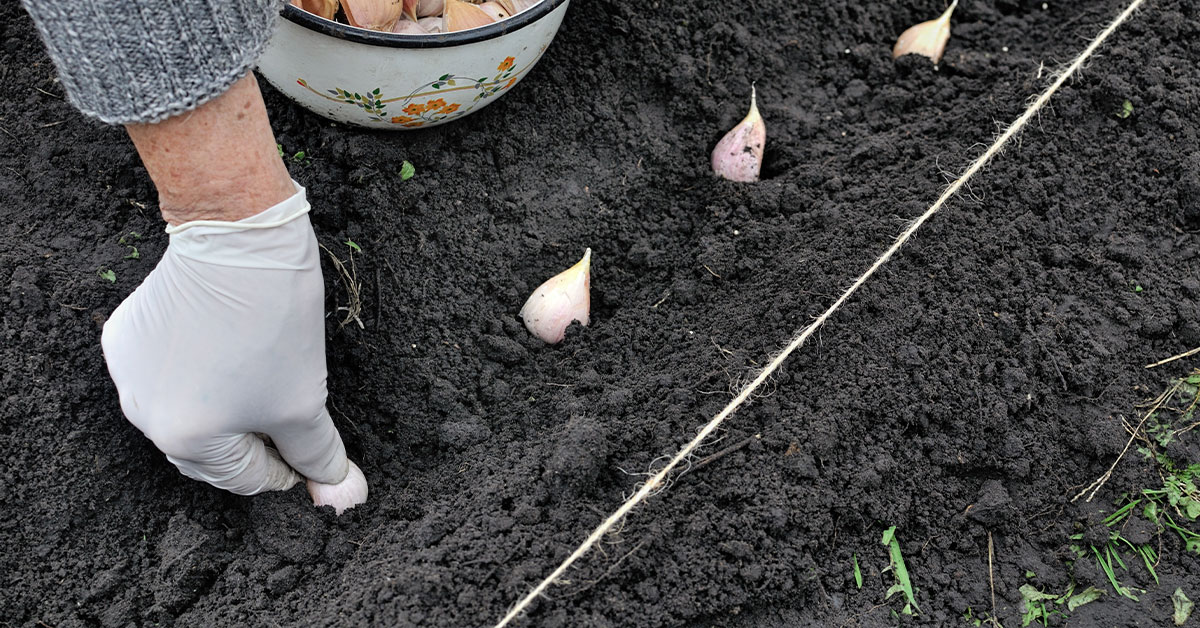
- Planting depth and spacing: Plant garlic cloves with the pointed end facing upwards, about 5-10 cm deep and 10-15 cm apart. Space rows approximately 30-40 cm apart to allow for proper air circulation and prevent disease.
- Watering: Garlic requires regular watering, especially during dry periods. Keep the soil consistently moist but avoid overwatering, as excessive moisture can lead to rotting. Mulching around the plants can help retain soil moisture and suppress weed growth.
- Fertilization: Garlic is a moderate feeder and benefits from regular fertilization. Apply a balanced organic fertilizer or compost before planting and side-dress with nitrogen-rich fertilizers during the growing season to promote healthy growth.
- Pest and disease management: Garlic is generally resistant to pests and diseases. However, keep an eye out for common issues like aphids, onion fly, and fungal diseases such as white rot or rust. Practice good garden hygiene, rotate crops, and remove any affected plants promptly to prevent the spread of diseases.
- Harvesting: Garlic is typically ready for harvest in late spring or early summer, around 8-10 months after planting. Harvest when the leaves start to turn yellow and dry out. Carefully dig up the bulbs, brush off excess soil, and allow them to cure in a well-ventilated, dry area for a few weeks before storing.
By considering these factors, you can increase your chances of successfully growing garlic in New Zealand.
Meta Description
Discover the perfect time to plant garlic in New Zealand! Our expert guide reveals the secrets for a successful harvest. Don’t miss out!