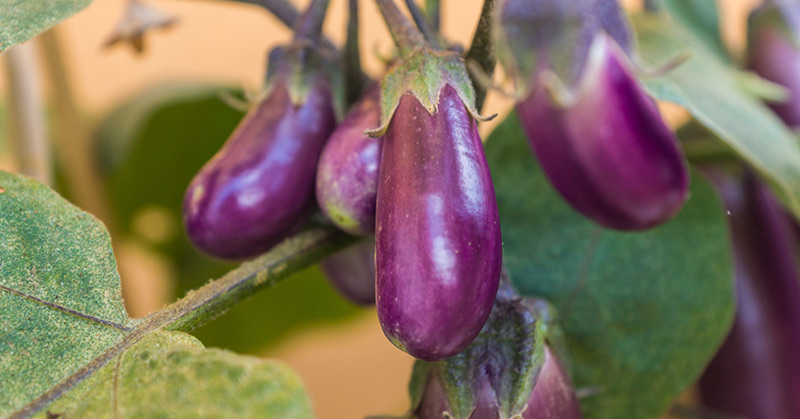

Welcome to the world of eggplants, where vibrant purple hues and rich flavors await! If you’re a gardening enthusiast in New Zealand, you may be wondering when the ideal time is to plant this versatile and delicious vegetable. Eggplants, also known as aubergines, thrive in warm and sunny conditions, making them a perfect addition to your summer garden. In this article, we will explore the optimal planting times for eggplant in New Zealand, along with valuable tips and insights to help you cultivate a bountiful eggplant crop. So, grab your gardening gloves and get ready to embark on an eggplant-growing adventure!
Best varieties of Eggplant to grow in New Zealand
In New Zealand, there are several varieties of eggplant that grow well in our climate. Here are a few popular options:
- Black Beauty: This is a classic variety that produces large, dark purple fruits. It is known for its excellent flavor and is a reliable choice for New Zealand gardens.
- Long Purple: As the name suggests, this variety produces long, slender fruits with a deep purple color. It has a mild flavor and is great for grilling or roasting.
- Rosa Bianca: This heirloom variety has a unique appearance with its round, lavender-colored fruits. It has a creamy texture and a delicate flavor, making it a favorite among many gardeners.
- Slim Jim: This is a smaller variety that produces long, slim fruits. It is ideal for container gardening or smaller spaces. Slim Jim has a mild flavor and is perfect for stir-fries and curries.
- Listada de Gandia: This variety is known for its attractive striped fruits. The skin is purple with white stripes, and the flesh is tender and flavorful. It is a popular choice for both cooking and ornamental purposes.
When selecting eggplant varieties, it’s important to consider your specific growing conditions, such as sunlight, soil type, and temperature. Additionally, it’s always a good idea to check with your local garden center or nursery for recommendations based on your specific region in New Zealand.
When to plant Eggplant in New Zealand
The best time to plant eggplant in New Zealand is during the warmer months, typically from late spring to early summer. Eggplants are warm-season crops that require a long growing season and thrive in temperatures between 21-29°C (70-85°F). It is recommended to start seeds indoors or in a greenhouse around September to October and transplant them outdoors once the risk of frost has passed and the soil has warmed up. In most regions of New Zealand, this would be around November. However, it is important to note that specific planting times may vary depending on your location and local climate conditions.
When to harvest Eggplant in New Zealand
In New Zealand, eggplants are typically harvested in late summer to early autumn, which is around February to April. The exact timing can vary depending on the specific region and growing conditions. It is important to monitor the fruit’s size, color, and texture to determine if it is ready for harvest. Generally, eggplants are ready to be picked when they have reached their mature size, have a glossy skin, and are firm to the touch. It is recommended to harvest them before they become overripe or develop a dull skin.
Other considerations
When growing eggplant in New Zealand, there are several important considerations to keep in mind:
- Climate: Eggplants thrive in warm and sunny conditions. In New Zealand, they are best grown in areas with a mild to warm climate, such as Northland, Auckland, Waikato, Bay of Plenty, and parts of the North Island. In cooler regions, it is recommended to grow eggplants in greenhouses or use protective covers to extend the growing season.
- Soil: Eggplants prefer well-draining soil with a pH level between 6.0 and 7.0. Prior to planting, it is advisable to amend the soil with organic matter, such as compost or well-rotted manure, to improve its fertility and drainage.
- Watering: Eggplants require consistent moisture throughout the growing season. Water deeply and regularly, especially during dry periods, to ensure the plants receive adequate hydration. However, avoid overwatering, as eggplants are susceptible to root rot.
- Fertilization: Eggplants are heavy feeders and benefit from regular fertilization. Prior to planting, incorporate a balanced organic fertilizer into the soil. Additionally, side-dress the plants with compost or a nitrogen-rich fertilizer every few weeks during the growing season to promote healthy growth and fruit production.
- Mulching: Applying a layer of organic mulch, such as straw or wood chips, around the base of the plants helps conserve moisture, suppress weeds, and regulate soil temperature. Mulching also prevents soil-borne diseases from splashing onto the leaves and fruit.
- Support: Eggplants have a bushy growth habit but can become top-heavy when laden with fruit. Providing support, such as stakes or cages, helps keep the plants upright and prevents them from sprawling on the ground. It also facilitates better air circulation, reducing the risk of fungal diseases.
- Pest and Disease Management: Eggplants are susceptible to various pests and diseases, including aphids, flea beetles, whiteflies, and fungal infections like powdery mildew. Regularly inspect the plants for any signs of damage or infestation and take appropriate measures, such as using organic insecticides or applying neem oil, to control pests. Proper spacing, good air circulation, and avoiding overhead watering can help prevent fungal diseases.
- Harvesting: Eggplants are ready for harvest when they reach their full size and have a glossy appearance. Use a sharp knife or pruning shears to cut the fruit from the plant, leaving a short stem attached. Harvesting regularly encourages continuous fruiting.
By considering these factors, you can successfully grow eggplants in New Zealand and enjoy a bountiful harvest.
Meta Description
Discover the perfect time to sow eggplant seeds in New Zealand! Our expert guide reveals the ideal planting season for a bountiful harvest.