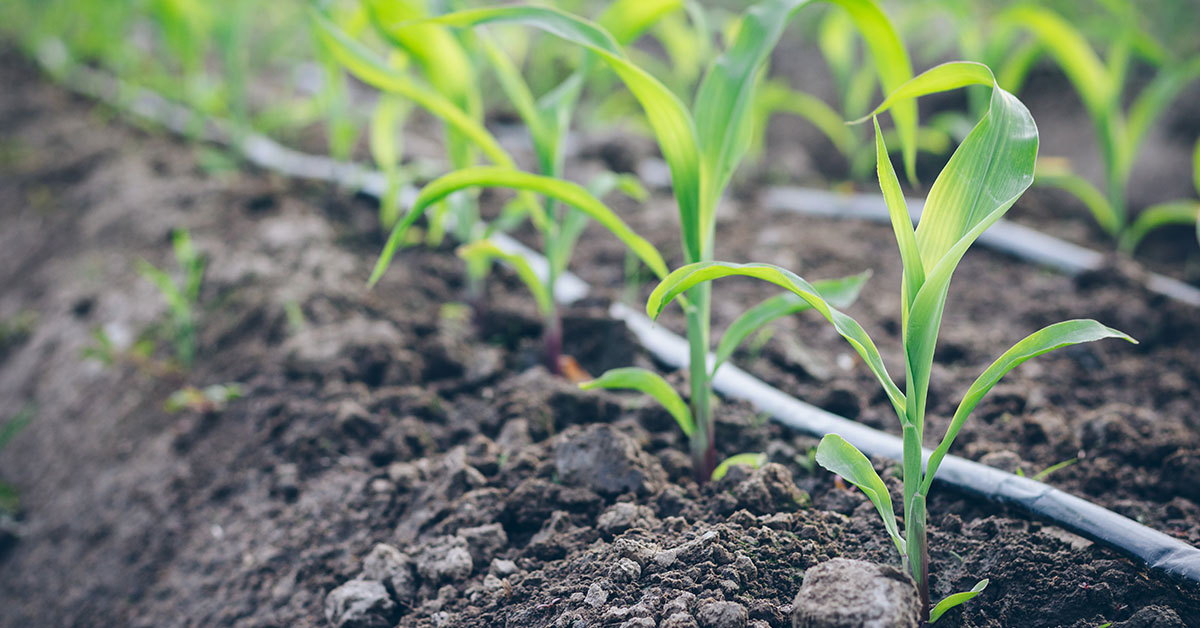

When it comes to growing corn in New Zealand, timing is everything. With its warm summers and mild winters, New Zealand provides an ideal climate for corn cultivation. However, to ensure a successful crop, it is crucial to plant corn at the right time. The planting window for corn in New Zealand typically falls between September and December, depending on the region. This allows the crop to take advantage of the warmer weather and longer daylight hours during the growing season.
In this article, we will delve into the specifics of when and how to plant corn in New Zealand, taking into account the diverse climatic conditions across the country. Whether you are a seasoned gardener or a beginner, understanding the optimal planting time for corn will help you maximize your yield and enjoy the sweet, juicy rewards of this versatile crop.
Best varieties of Corn to grow in New Zealand
In New Zealand, the climate is generally suitable for growing sweet corn varieties. Some popular and well-adapted varieties for New Zealand conditions include:
- ‘Honey and Cream’: This variety produces delicious, bi-colored kernels that are sweet and tender. It has good disease resistance and performs well in New Zealand’s climate.
- ‘Peaches and Cream’: Another bi-colored variety, ‘Peaches and Cream’ is known for its excellent flavor and high sugar content. It is a reliable performer in New Zealand gardens.
- ‘Supersweet’: This variety is known for its exceptionally sweet flavor and tender kernels. ‘Supersweet’ varieties like ‘Mirai’ and ‘Sweet Riser’ are popular choices among New Zealand gardeners.
- ‘Ambrosia’: ‘Ambrosia’ is a popular variety that produces large, yellow kernels with a sweet, honey-like flavor. It is a reliable performer and adapts well to New Zealand’s climate.
- ‘Incredible’: ‘Incredible’ is a classic sweet corn variety that is known for its large, plump kernels and excellent flavor. It is a vigorous grower and performs well in New Zealand gardens.
Remember to choose varieties that have a relatively short maturity period, as New Zealand’s growing season may not be long enough for some late-maturing varieties. Additionally, consider factors such as disease resistance, yield, and personal preferences when selecting corn varieties for your garden.
When to plant Corn in New Zealand
The best time to plant corn in New Zealand is during the warmer months, typically from late spring to early summer. This is when the soil temperature is consistently above 10°C (50°F), which is ideal for germination and growth. In most regions of New Zealand, this would be around October to December. However, it’s important to note that the exact timing may vary depending on your specific location and local climate conditions. It is always recommended to check with your local gardening resources or consult with a gardening expert in your area for more precise planting dates.
When to harvest Corn in New Zealand
In New Zealand, corn is typically harvested in late summer or early autumn, which is around March to April. The exact timing of corn harvest can vary depending on the specific variety and growing conditions. It is important to monitor the corn plants closely for signs of maturity before harvesting. The corn ears should be fully filled out and the husks should be dry and brown. To check for maturity, you can gently peel back the husk and press a kernel with your fingernail – if a milky liquid is released, the corn is not yet ready for harvest. However, if the liquid is clear and the kernels are firm, it is a good indication that the corn is ready to be picked.
Other considerations
When growing corn in New Zealand, there are several important considerations to keep in mind:
- Climate: Corn is a warm-season crop and requires a long growing season with plenty of heat. In New Zealand, corn is typically grown in the North Island and in some parts of the South Island where the climate is warmer. Choose corn varieties that are suitable for your specific region and climate.
- Soil: Corn prefers well-draining soil that is rich in organic matter. Prepare the soil by adding compost or well-rotted manure before planting. The soil pH should be between 5.8 and 7.0 for optimal growth.
- Sunlight: Corn requires full sun to thrive. Choose a location in your garden that receives at least 6-8 hours of direct sunlight per day.
- Planting: Corn is usually planted directly in the garden as it does not transplant well. Wait until the soil has warmed up in spring before planting. Sow the seeds in rows, spacing them about 30-45 cm apart, and plant them at a depth of 2-3 cm.
- Watering: Corn needs regular and consistent watering, especially during dry periods. Water deeply, ensuring the soil is evenly moist but not waterlogged. Avoid overhead watering as it can increase the risk of fungal diseases.
- Fertilizing: Corn is a heavy feeder and requires regular fertilization. Apply a balanced fertilizer or compost before planting, and side-dress with nitrogen-rich fertilizer when the plants are about knee-high and again when tassels begin to form.
- Weed control: Keep the area around the corn plants weed-free to reduce competition for nutrients and water. Mulching can help suppress weeds and conserve soil moisture.
- Pests and diseases: Corn can be susceptible to various pests and diseases such as corn earworm, aphids, and fungal diseases like rust and smut. Monitor your plants regularly and take appropriate measures such as using organic pest control methods or applying fungicides if necessary.
- Harvesting: Corn is ready for harvest when the ears are fully filled out and the silks have turned brown. To check for ripeness, peel back the husk and press a kernel with your fingernail. If a milky liquid is released, the corn is ready to be harvested. Harvest corn by twisting the ear downward and pulling it from the stalk.
By considering these factors, you can increase your chances of successfully growing corn in New Zealand.
Meta Description
Discover the perfect time to sow corn in New Zealand! Our expert guide reveals the ideal planting season for a bountiful harvest. Don’t miss out!