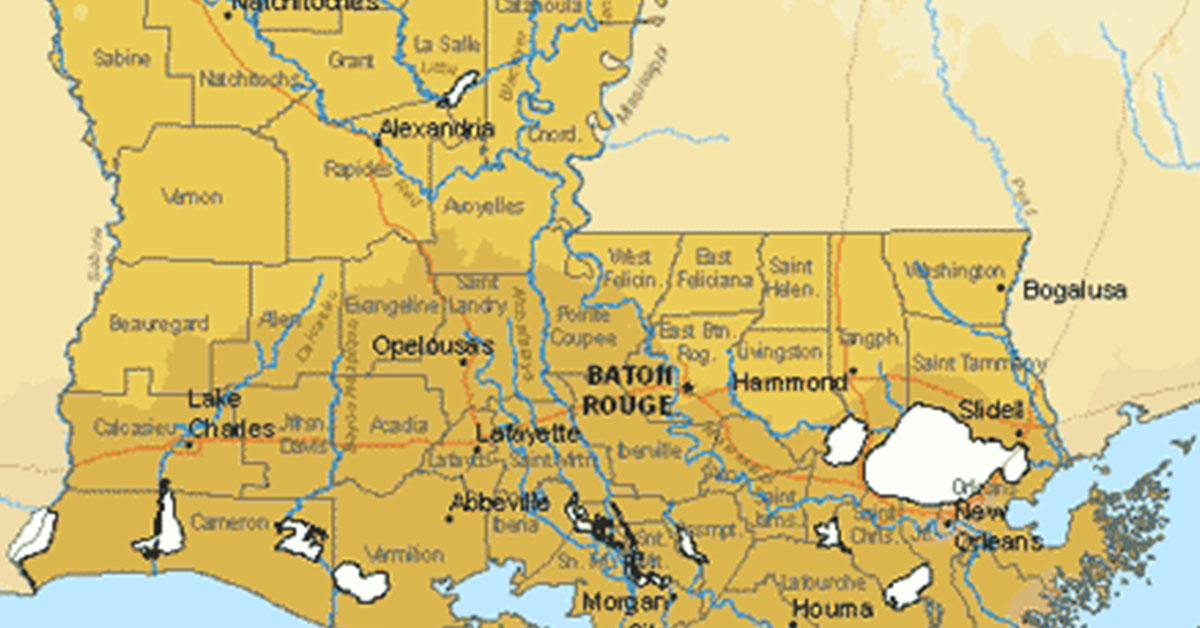

Welcome to the vibrant world of gardening in New Orleans, where the rich cultural heritage and favorable climate create an ideal environment for cultivating a wide variety of plants. Situated in USDA hardiness zone 9a, this unique region offers gardeners the opportunity to grow an array of tropical and subtropical plants that thrive in the warm, humid conditions. With an average annual minimum temperature range of 20 to 25 degrees Fahrenheit (-6.7 to -3.9 degrees Celsius), New Orleans provides a long growing season that allows for year-round gardening.
Whether you are a seasoned gardener or just beginning your green thumb journey, this article will guide you through the nuances of gardening in New Orleans, from selecting the right plants to ensuring their health and vitality in this lush and captivating city.
What is New Orleans’s USDA hardiness zone?
The USDA hardiness zone is a system used to classify regions based on their average annual minimum temperature. It helps gardeners and plant enthusiasts determine which plants are most likely to thrive in a particular area. In the case of New Orleans, the city falls within USDA hardiness zone 9a. Zone 9a is characterized by mild winters with average minimum temperatures ranging from 20 to 25 degrees Fahrenheit (-6.7 to -3.9 degrees Celsius). This means that New Orleans experiences relatively warm winters compared to colder regions. The zone also indicates a long growing season, with an average frost-free period of around 270 days.
In practical terms, the USDA hardiness zone 9a in New Orleans allows for a wide range of plant options. Many tropical and subtropical plants thrive in this zone due to the mild winters and long growing season. Some examples include palms, citrus trees, bougainvillea, hibiscus, and various tropical flowering plants. However, it’s important to note that even within a specific hardiness zone, microclimates can exist.
Factors such as proximity to bodies of water, urban heat islands, and exposure to wind can influence local temperatures and affect plant growth. Therefore, it’s always a good idea to consider these microclimates when selecting plants for your garden. Additionally, while New Orleans is primarily in zone 9a, there may be some variations within the city. Certain areas near Lake Pontchartrain or the Mississippi River might experience slightly cooler temperatures, while urban areas with concrete and buildings may create warmer microclimates.
To ensure successful gardening in New Orleans’ USDA hardiness zone 9a, it’s recommended to choose plants that are well-suited to the local climate. Consider factors such as heat tolerance, humidity tolerance, and water requirements when selecting plants for your garden. It’s also advisable to consult local nurseries or gardening experts who have experience with the specific conditions in New Orleans.
When can you plant your garden in New Orleans?
In New Orleans, the ideal planting times for different plants can vary based on the USDA hardiness zone. New Orleans falls under USDA hardiness zone 9a, which means it has a mild winter and a long growing season. Here are the ideal planting times for various types of plants in New Orleans:
Cool-season vegetables: In New Orleans, cool-season vegetables like lettuce, spinach, kale, and broccoli can be planted in late September or early October. These plants thrive in cooler temperatures and can be harvested before the heat of summer.
Warm-season vegetables: Warm-season vegetables like tomatoes, peppers, cucumbers, and beans can be planted in late February or early March. These plants require warm soil and air temperatures to grow well, and they can be harvested throughout the summer.
Herbs: Most herbs, such as basil, parsley, mint, and rosemary, can be planted in late February or early March. These plants prefer warm temperatures and can be harvested throughout the growing season.
Flowers: Annual flowers like marigolds, zinnias, and petunias can be planted in late February or early March. Perennial flowers, such as daylilies and coneflowers, can be planted in the fall or early spring.
Trees and shrubs: Trees and shrubs can be planted in New Orleans throughout the year, but the best time is during the cooler months of fall and winter. This allows the plants to establish their root systems before the heat of summer.
It’s important to note that these are general guidelines, and specific plant varieties may have different planting requirements. Always refer to the seed packet or plant label for more precise information on planting times and care instructions.
What grows well in New Orleans?
New Orleans falls within USDA hardiness zone 9a, which means it has a relatively mild winter with minimum temperatures ranging from 20 to 25 degrees Fahrenheit (-6.7 to -3.9 degrees Celsius). Here is a comprehensive list of plants that generally thrive in New Orleans’ climate:
- Azaleas (Rhododendron spp.)
- Camellias (Camellia spp.)
- Sago Palm (Cycas revoluta)
- Crepe Myrtle (Lagerstroemia spp.)
- Southern Magnolia (Magnolia grandiflora)
- Japanese Maple (Acer palmatum)
- Agapanthus (Agapanthus spp.)
- Louisiana Iris (Iris spp.)
- Daylilies (Hemerocallis spp.)
- Hibiscus (Hibiscus spp.)
- Bougainvillea (Bougainvillea spp.)
- Elephant Ears (Colocasia spp.)
- Ginger Lily (Hedychium spp.)
- Society Garlic (Tulbaghia violacea)
- Mexican Petunia (Ruellia simplex)
- Papyrus (Cyperus papyrus)
- Confederate Jasmine (Trachelospermum jasminoides)
- Plumbago (Plumbago auriculata)
- Lantana (Lantana camara)
- Pentas (Pentas lanceolata)
- Mexican Heather (Cuphea hyssopifolia)
- Firebush (Hamelia patens)
- Golden Dewdrop (Duranta erecta)
- Sweet Potato Vine (Ipomoea batatas)
- Mexican Mint Marigold (Tagetes lucida)
These plants are well-suited to the New Orleans climate and can thrive in the warm, humid conditions of the region. However, it’s important to note that individual microclimates within the city may vary, so it’s always a good idea to consider specific site conditions such as sun exposure, soil type, and drainage when selecting plants for your garden.
What won’t grow in New Orleans?
In New Orleans, which falls under USDA hardiness zone 9a, there are several plants that may struggle to thrive due to the region’s climate and growing conditions. Here are some examples:
- Blue spruce (Picea pungens): Blue spruce trees prefer colder climates and may struggle with the heat and humidity of New Orleans.
- Lilac (Syringa vulgaris): Lilacs require a period of winter dormancy and may not receive enough chilling hours in New Orleans to bloom properly.
- Japanese maple (Acer palmatum): Japanese maples prefer cooler temperatures and may struggle with the heat and humidity of New Orleans. They may also be more susceptible to fungal diseases in this climate.
- Rhododendron (Rhododendron spp.): Rhododendrons prefer cooler temperatures and may struggle with the heat and humidity of New Orleans. They may also be more prone to fungal diseases in this climate.
- Mountain laurel (Kalmia latifolia): Mountain laurels prefer cooler temperatures and may struggle with the heat and humidity of New Orleans. They may also be more susceptible to fungal diseases in this climate.
- Forsythia (Forsythia spp.): Forsythias require a period of winter dormancy and may not receive enough chilling hours in New Orleans to bloom properly.
- Boxwood (Buxus spp.): Boxwoods can struggle with the heat and humidity of New Orleans and may be more prone to fungal diseases in this climate.
- Holly (Ilex spp.): Some varieties of holly may struggle with the heat and humidity of New Orleans, although there are some heat-tolerant cultivars available.
It’s important to note that while these plants may not thrive in New Orleans, there are many other plants that are well-suited to the region’s climate and can thrive in USDA hardiness zone 9a.