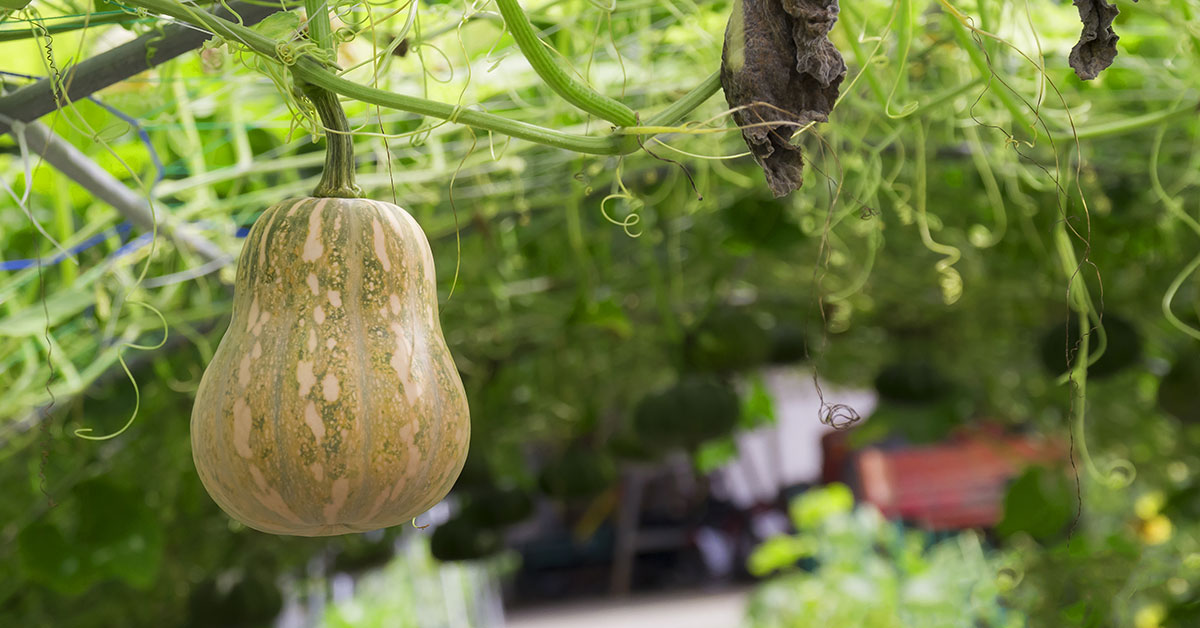

Welcome to the world of gardening in New Zealand, where the unique climate and diverse landscapes offer an abundance of opportunities for growing a wide variety of crops. If you’re a fan of hearty and nutritious vegetables, then Butternut squash should definitely be on your gardening radar. Known for its sweet and nutty flavor, Butternut squash is a versatile and popular addition to many Kiwi kitchens. However, to ensure a successful harvest, it’s crucial to plant this winter squash at the right time. In this article, we will guide you through the optimal planting window for Butternut squash in New Zealand, taking into consideration the country’s climate zones and seasonal variations.
So, get ready to dig in and discover the perfect timing to sow your Butternut squash seeds for a bountiful harvest that will delight your taste buds and nourish your body.
Best varieties of Butternut squash to grow in New Zealand
In New Zealand, there are several varieties of Butternut squash that grow well in our conditions. Here are a few popular options:
- Waltham Butternut: This is a classic variety that is widely grown in New Zealand. It produces large, pear-shaped fruits with sweet, orange flesh. Waltham Butternut is known for its excellent flavor and good storage qualities.
- Hunter F1: Hunter F1 is a hybrid variety that is well-suited for New Zealand’s climate. It has a compact growth habit, making it suitable for smaller gardens. The fruits are medium-sized with a rich, sweet flavor.
- Butterbush: Butterbush is a bush-type Butternut squash that is perfect for smaller spaces or container gardening. It produces smaller fruits compared to other varieties, but they have a delicious flavor and creamy texture.
- Early Butternut: As the name suggests, Early Butternut is an early-maturing variety, making it a great choice for regions with shorter growing seasons. It produces medium-sized fruits with a sweet, nutty flavor.
- Ponca: Ponca is a newer variety that is gaining popularity in New Zealand. It has a compact growth habit and produces small to medium-sized fruits. Ponca has a rich, sweet flavor and is known for its excellent storage qualities.
When selecting a variety, consider factors such as your region’s climate, available space, and personal preferences for flavor and fruit size. It’s also important to provide your Butternut squash plants with well-draining soil, full sun exposure, and regular watering for optimal growth and yield.
When to plant Butternut squash in New Zealand
The best time to plant Butternut squash in New Zealand is during spring, when the soil temperature has warmed up to around 18-24°C (64-75°F). This is usually around October to November in most regions. It is important to wait until the risk of frost has passed and the soil has warmed up, as Butternut squash plants are sensitive to cold temperatures. By planting in spring, you can take advantage of the longer growing season and ensure that the plants have enough time to mature and produce a good harvest before the cooler temperatures of autumn and winter arrive.
When to harvest Butternut squash in New Zealand
Butternut squash should be harvested in New Zealand when the fruit has reached full maturity. This typically occurs around 90-110 days after planting, depending on the specific variety and growing conditions. The squash should have a hard, tan-colored rind and the stem should be dry and brown. It is important to harvest before the first frost, as cold temperatures can damage the fruit.
Other considerations
When growing Butternut squash in New Zealand, there are several important considerations to keep in mind:
- Climate: Butternut squash thrives in warm weather and requires a long growing season. In New Zealand, it is best to plant Butternut squash in spring or early summer when the soil temperature has reached around 15°C (59°F) and there is no risk of frost. They need at least 100-120 days of frost-free weather to mature.
- Soil: Butternut squash prefers well-draining soil with a pH level between 6.0 and 7.0. Prior to planting, amend the soil with organic matter such as compost or well-rotted manure to improve fertility and drainage. Avoid heavy clay soils as they can lead to poor root development and waterlogging.
- Sunlight: Butternut squash requires full sun exposure to thrive. Choose a location in your garden that receives at least 6-8 hours of direct sunlight per day. Lack of sunlight can result in poor fruit development and lower yields.
- Watering: Butternut squash plants need consistent moisture throughout the growing season. Water deeply once or twice a week, depending on rainfall and soil conditions. Avoid overwatering, as it can lead to root rot. Mulching around the plants can help retain soil moisture and suppress weed growth.
- Fertilization: Butternut squash is a heavy feeder and benefits from regular fertilization. Prior to planting, incorporate a balanced organic fertilizer into the soil. Once the plants start producing vines, side-dress them with compost or a nitrogen-rich fertilizer every 3-4 weeks to promote healthy growth and fruit development.
- Pollination: Butternut squash plants have separate male and female flowers, and they rely on bees and other pollinators for successful fruit set. To attract pollinators, plant flowers nearby or consider hand-pollinating by transferring pollen from male to female flowers using a small brush or cotton swab.
- Pest and Disease Control: Butternut squash can be susceptible to various pests and diseases, including aphids, squash bugs, powdery mildew, and downy mildew. Monitor your plants regularly and take appropriate measures to control pests and diseases, such as using organic insecticides or fungicides, practicing crop rotation, and removing affected plant parts.
- Harvesting: Butternut squash is ready for harvest when the skin has hardened and turned a deep tan color. The stem should be dry and corky. Cut the squash from the vine, leaving a few inches of stem attached. Cure the harvested squash in a warm, dry place for 1-2 weeks to improve flavor and storage life.
By considering these factors, you can increase your chances of successfully growing Butternut squash in New Zealand.