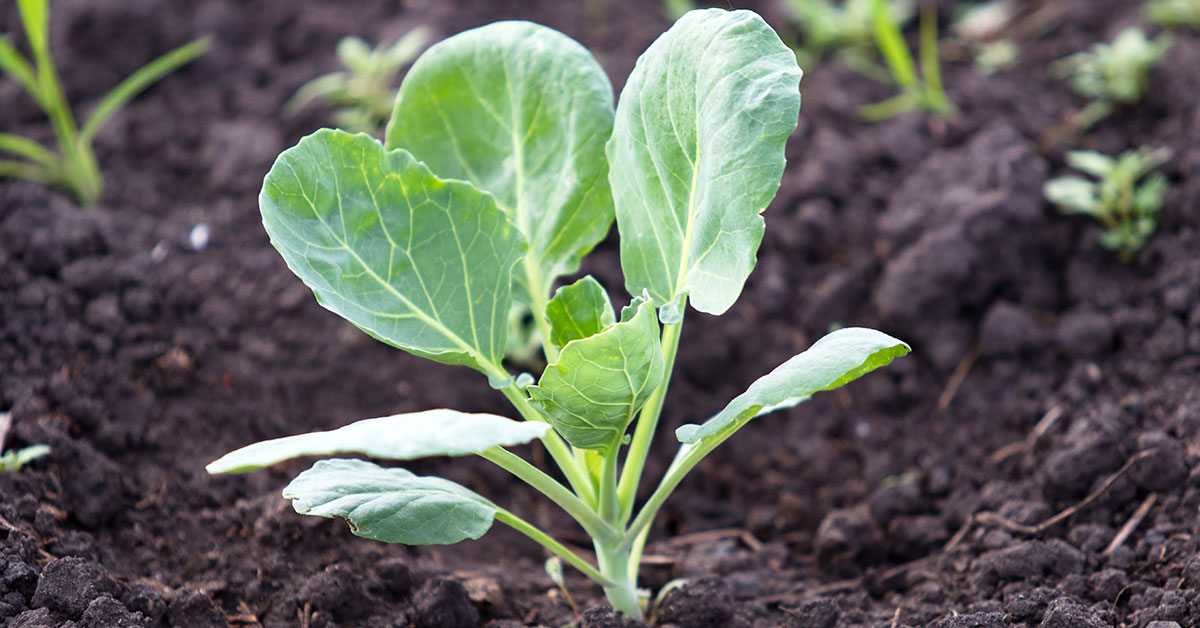

Welcome to the world of gardening in New Zealand! If you’re a fan of Brussels sprouts and eager to grow your own, you’ve come to the right place. Known for their distinctive flavor and nutritional value, Brussels sprouts are a popular choice among vegetable enthusiasts. However, successful cultivation requires careful timing and an understanding of New Zealand’s unique climate. In this article, we will explore the optimal time to plant Brussels sprouts in New Zealand, taking into account the varying weather patterns and growing seasons across the country.
Whether you’re a beginner or an experienced gardener, this guide will equip you with the knowledge you need to achieve a bountiful Brussels sprout harvest. So, let’s dive in and discover the best time to get those sprouts in the ground!
Best varieties of Brussels sprouts to grow in New Zealand
In New Zealand, there are several varieties of Brussels sprouts that grow well in our climate. Here are a few recommended varieties:
- ‘Diablo’: This variety is known for its high yield and excellent flavor. It produces medium-sized sprouts and has good disease resistance.
- ‘Rubine’: This variety produces deep red-purple sprouts that are not only visually appealing but also have a slightly sweeter taste compared to green varieties. It is a popular choice among gardeners.
- ‘Bosworth’: This variety is known for its early maturity, making it a great option for regions with shorter growing seasons. It produces medium-sized sprouts with a mild flavor.
- ‘Trafalgar’: This variety is known for its uniform sprouts and good disease resistance. It produces medium-sized, tightly packed sprouts with a slightly nutty flavor.
- ‘Catskill’: This heirloom variety is known for its excellent flavor and tenderness. It produces medium-sized sprouts that are perfect for roasting or steaming.
When choosing a variety, consider your specific location, climate, and growing conditions. It’s also a good idea to check with local nurseries or gardening experts for recommendations tailored to your region.
When to plant Brussels sprouts in New Zealand
The best time to plant Brussels sprouts in New Zealand is during the late spring or early summer, typically between October and December. This allows the plants to establish themselves before the colder winter months, which is when Brussels sprouts thrive. Planting them too early in the season may result in premature flowering and smaller sprouts. It’s also important to note that Brussels sprouts are a cool-season crop, so they prefer cooler temperatures and can tolerate light frosts.
When to harvest Brussels sprouts in New Zealand
Brussels sprouts are typically harvested in New Zealand during the autumn and winter months. The exact timing will depend on the specific variety you are growing and the region you are in. However, as a general guideline, you can start harvesting Brussels sprouts when the sprouts are firm and about 2-3 centimeters in diameter. This usually occurs around 90-120 days after transplanting the seedlings into the garden. It’s important to harvest the sprouts before they become loose or start to open up. You can begin harvesting from the bottom of the plant, removing the lower sprouts first and allowing the upper ones to continue growing.
Other considerations
When growing Brussels sprouts in New Zealand, there are several important considerations to keep in mind:
- Climate: Brussels sprouts thrive in cooler climates, so it’s important to choose a suitable location. In New Zealand, they are best grown in the cooler regions, such as Southland, Canterbury, and the central North Island.
- Soil: Brussels sprouts prefer well-draining soil that is rich in organic matter. Before planting, amend the soil with compost or well-rotted manure to improve its fertility and structure. The soil pH should be slightly acidic to neutral (around 6.0 to 7.0).
- Sunlight: Brussels sprouts require full sun exposure for at least 6-8 hours a day. Ensure they are planted in a location that receives adequate sunlight throughout the day.
- Watering: Brussels sprouts need consistent moisture to grow well. Water deeply and regularly, especially during dry periods. However, be cautious not to overwater, as it can lead to root rot. Mulching around the plants can help retain moisture and suppress weed growth.
- Planting: Start Brussels sprouts from seed indoors 6-8 weeks before the last frost date. Transplant the seedlings into the garden when they are around 6-8 weeks old and have developed a few true leaves. Space the plants around 60-90 cm apart to allow for proper air circulation and growth.
- Fertilization: Brussels sprouts are heavy feeders. Prior to planting, incorporate a balanced organic fertilizer into the soil. Side-dress the plants with compost or a slow-release fertilizer during the growing season to provide them with a continuous supply of nutrients.
- Pests and diseases: Keep an eye out for common pests such as aphids, cabbage loopers, and cabbage worms. Regularly inspect the plants and take appropriate measures, such as handpicking or using organic insecticides, if necessary. Brussels sprouts are also susceptible to diseases like clubroot and black rot, so practice crop rotation and maintain good garden hygiene to minimize the risk.
- Harvesting: Brussels sprouts take around 90-120 days to mature. Harvest the sprouts when they are firm, green, and about 2-3 cm in diameter. Start picking from the bottom of the stalk, working your way up. Remove any yellowing or damaged leaves as you harvest.
By considering these factors, you can increase your chances of successfully growing Brussels sprouts in New Zealand.