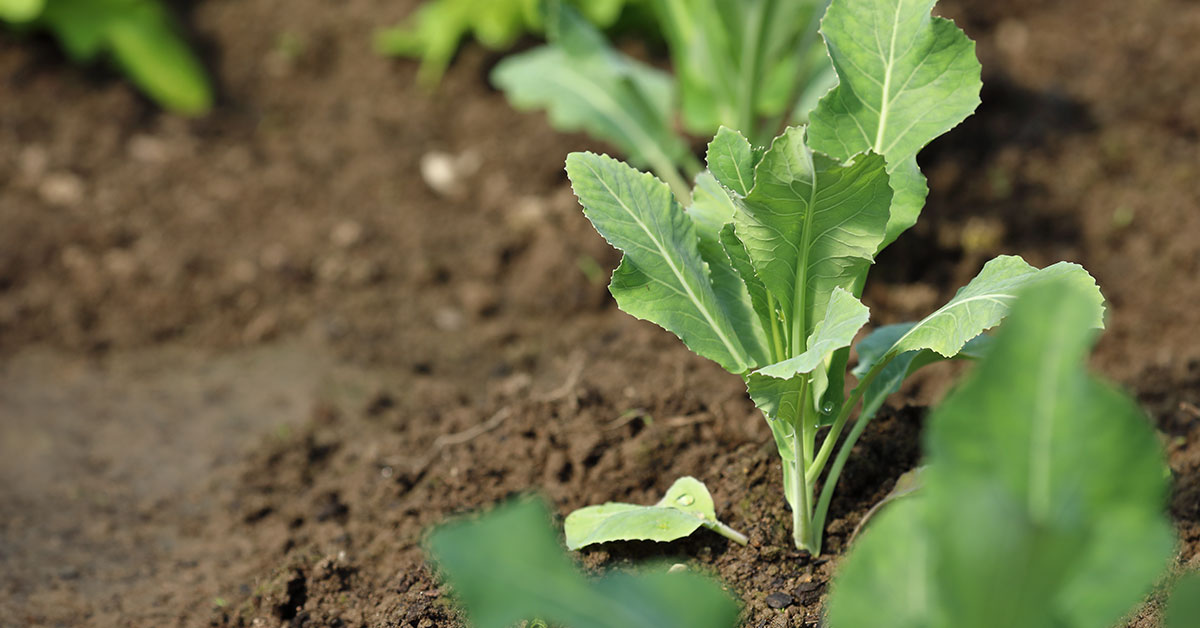

When it comes to growing your own vegetables in New Zealand, broccoli is a popular choice for many gardeners. Known for its nutritional value and versatility in various dishes, broccoli is a cool-season crop that thrives in the country’s temperate climate. However, timing is crucial when it comes to planting this cruciferous vegetable, as it requires specific conditions to ensure successful growth. In this article, we will delve into the ideal planting times for broccoli in New Zealand, taking into account the varying climates and microclimates that exist throughout the country.
Whether you are a seasoned gardener or a beginner looking to try your hand at growing your own food, understanding when to plant broccoli will help you maximize your harvest and enjoy fresh, homegrown produce throughout the year.
Best varieties of Broccoli to grow in New Zealand
There are several varieties of broccoli that grow well in New Zealand’s climate. Here are a few popular choices:
- ‘Green Magic’: This variety is known for its excellent flavor and high yields. It has a compact growth habit, making it suitable for smaller gardens or containers.
- ‘De Cicco’: This heirloom variety is a reliable performer in New Zealand. It produces small to medium-sized heads and continues to produce side shoots after the main head is harvested.
- ‘Purple Sprouting’: This variety is unique because it produces purple florets instead of the traditional green. It is a late-season broccoli that can be harvested from late winter to early spring.
- ‘Apollo’: This hybrid variety is known for its uniform, medium-sized heads and excellent disease resistance. It is a popular choice for commercial growers and home gardeners alike.
- ‘Calabrese’: This is the classic variety of broccoli that most people are familiar with. It produces large, tight heads and is relatively easy to grow.
Remember to choose varieties that are suitable for your specific region within New Zealand, as climate conditions can vary across the country. Additionally, it’s always a good idea to check with local nurseries or gardening experts for recommendations based on your specific location.
When to plant Broccoli in New Zealand
The best time to plant broccoli in New Zealand depends on the region and the specific climate conditions. Generally, broccoli can be planted in New Zealand during the cooler months, which are autumn (March to May) and spring (September to November).
In warmer regions like Northland and Auckland, it is best to plant broccoli in autumn (March to April) or spring (September to October). This allows the plants to establish before the heat of summer.
In cooler regions like Wellington and Canterbury, broccoli can be planted in both autumn and spring. However, it is important to consider the risk of frost. If planting in autumn, make sure to plant early enough to allow the plants to mature before the first frost. In spring, wait until the risk of frost has passed before planting.
It is also worth noting that broccoli is a cool-season crop and prefers temperatures between 15-20°C. Planting too late in spring or too early in autumn when temperatures are too high or too low can affect the growth and quality of the broccoli.
When to harvest Broccoli in New Zealand
Broccoli is typically harvested in New Zealand during the cooler months, from late autumn to early spring. The exact timing can vary depending on the specific region and climate conditions. In general, broccoli can be harvested when the heads are firm and compact, before the flowers start to open. This is usually around 60 to 90 days after transplanting or 90 to 120 days after sowing seeds. It’s important to monitor the plants closely and harvest them promptly to ensure the best flavor and texture.
Other considerations
When growing broccoli in New Zealand, there are several important considerations to keep in mind:
- Climate: Broccoli prefers cool weather and can tolerate light frost. It grows best in regions with mild temperatures, such as Canterbury, Otago, and Southland. In warmer regions, it is advisable to grow broccoli during the cooler months or choose heat-tolerant varieties.
- Soil: Broccoli thrives in well-draining soil rich in organic matter. Prior to planting, amend the soil with compost or well-rotted manure to improve its fertility and structure. The ideal soil pH for broccoli is between 6.0 and 7.0.
- Sunlight: Broccoli requires full sun exposure to grow and develop properly. Ensure that the planting location receives at least 6-8 hours of direct sunlight daily.
- Watering: Broccoli plants need consistent moisture to produce healthy heads. Water deeply and regularly, especially during dry periods, to keep the soil evenly moist. Avoid overwatering, as it can lead to root rot.
- Mulching: Apply a layer of organic mulch, such as straw or wood chips, around the base of the plants to conserve moisture, suppress weeds, and maintain a more even soil temperature.
- Fertilization: Broccoli is a heavy feeder and benefits from regular fertilization. Prior to planting, incorporate a balanced organic fertilizer into the soil. Additionally, side-dress the plants with a nitrogen-rich fertilizer every 3-4 weeks during the growing season.
- Pest and disease management: Broccoli can be susceptible to various pests and diseases, including aphids, caterpillars, clubroot, and downy mildew. Monitor your plants regularly and take appropriate measures, such as using organic pest control methods or disease-resistant varieties, to manage these issues.
- Crop rotation: To prevent the buildup of soil-borne diseases and pests, avoid planting broccoli or other brassicas in the same spot year after year. Practice a crop rotation system, ideally with a three-year gap between planting brassicas in the same area.
- Harvesting: Harvest broccoli heads when they are firm and tight, before the flowers start to open. Cut the main head with a sharp knife, leaving a few inches of stem attached to encourage side shoots to develop for additional harvests.
By considering these factors, you can increase your chances of successfully growing broccoli in New Zealand.