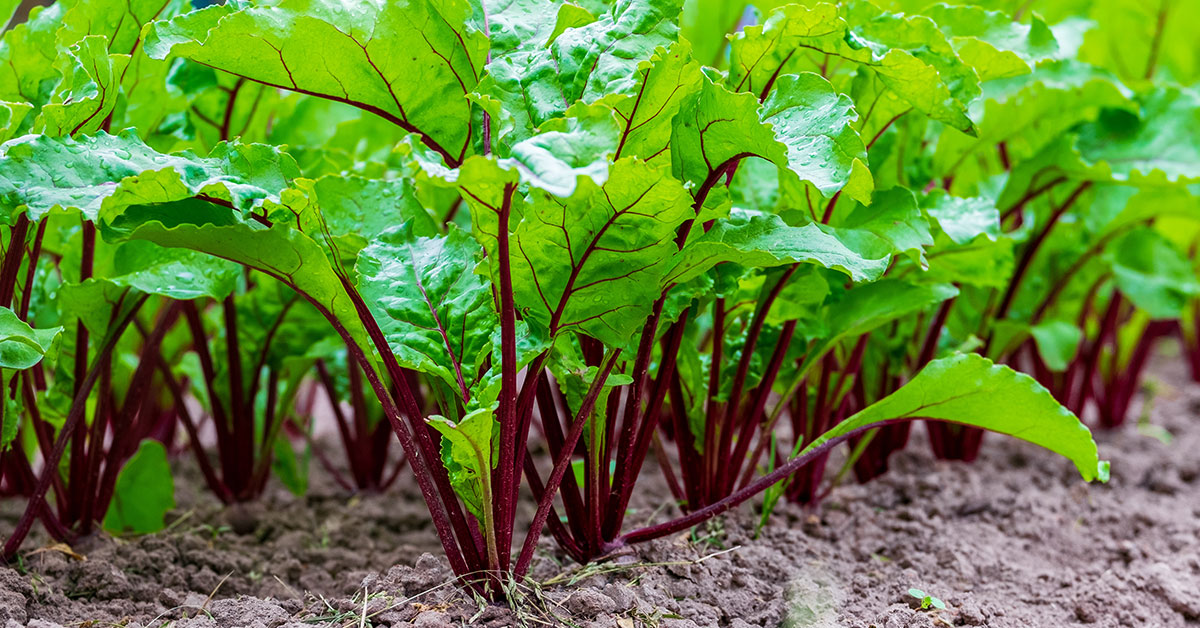

Welcome to the world of gardening in New Zealand, where the diverse climate and fertile soil create the perfect conditions for growing a wide variety of vegetables. If you’re a beet enthusiast or simply looking to add some vibrant color and earthy flavors to your garden, you’ve come to the right place. In this article, we will delve into the optimal time to plant beets in New Zealand, taking into consideration the country’s unique weather patterns and regional variations.
Whether you’re a seasoned gardener or a beginner, understanding the best time to sow beet seeds will ensure a successful and bountiful harvest. So grab your gardening tools and let’s explore the world of beets in New Zealand!
Best varieties of Beets to grow in New Zealand
In New Zealand, there are several varieties of beets that grow well in our conditions. Here are a few popular ones:
- Detroit Dark Red: This is a classic beet variety that grows well in New Zealand. It produces round, deep red beets with sweet and tender flesh.
- Chioggia: Also known as candy cane beets, Chioggia beets have beautiful pink and white rings when sliced. They have a mild flavor and are great for salads.
- Golden Beet: This variety produces vibrant golden-yellow beets. They have a milder and sweeter flavor compared to red beets. Golden beets are less prone to bleeding and staining during cooking.
- Bulls Blood: Bulls Blood beets are grown for their flavorful and tender leaves, which can be used in salads or cooked like spinach. The beets themselves are dark red and have a sweet and earthy flavor.
- Cylindra: Cylindra beets are elongated and cylindrical in shape, making them easy to slice and cook. They have a sweet flavor and are great for roasting or pickling.
- Burpee’s Golden: This variety produces round, golden beets with a sweet and mild flavor. They are less prone to becoming woody and are great for roasting or grating into salads.
Remember to provide your beets with well-drained soil, regular watering, and full sun exposure for optimal growth.
When to plant Beets in New Zealand
The best time to plant beets in New Zealand is during the spring and autumn seasons. In the North Island, you can start planting beets from September to November and again from February to April. In the South Island, it is best to plant beets from October to December and again from February to April. Beets prefer cooler temperatures and can tolerate light frosts, so planting them during these seasons will ensure optimal growth and development.
When to harvest Beets in New Zealand
Beets can be harvested in New Zealand throughout the year, but the ideal time for harvesting depends on the variety and the growing conditions. Generally, beets are ready to be harvested around 8-10 weeks after sowing the seeds.
For summer-sown beets, you can start harvesting baby beets when they reach about 2-3 inches in diameter, which is usually around 8 weeks after sowing. If you prefer larger beets, you can wait a few more weeks until they reach 3-4 inches in diameter.
For winter-sown beets, they can take longer to mature due to the cooler temperatures. You can start harvesting them when they reach the desired size, usually around 10-12 weeks after sowing.
It’s important to keep an eye on the size of the beets and not let them grow too large, as they can become tough and woody. Harvesting them at the right size ensures they are tender and flavorful.
Remember to gently lift the beets from the soil using a fork or spade, being careful not to damage the roots. Trim off the leaves, leaving about an inch of the stem attached, as this helps to keep the beets fresh during storage.
Overall, the timing of beet harvest in New Zealand can vary depending on the specific growing conditions and the desired size of the beets.
Other considerations
When growing beets in New Zealand, there are several important considerations to keep in mind:
- Climate: Beets thrive in cool to moderate temperatures. In New Zealand, they can be grown throughout the year, but they prefer cooler temperatures between 10-20°C (50-68°F). Beets are sensitive to frost, so it’s best to avoid planting them during the coldest months.
- Soil: Beets prefer well-drained soil that is rich in organic matter. They grow best in a slightly acidic to neutral soil pH range of 6.0-7.5. Before planting, prepare the soil by adding compost or well-rotted manure to improve its fertility and drainage.
- Sunlight: Beets require full sun to grow and develop properly. Ensure they receive at least 6-8 hours of direct sunlight per day. In areas with intense summer heat, providing some afternoon shade can help prevent the roots from becoming woody.
- Watering: Beets need consistent moisture throughout their growing period. Keep the soil evenly moist, but avoid overwatering as it can lead to rotting. Mulching around the plants can help retain soil moisture and suppress weed growth.
- Planting and spacing: Sow beet seeds directly into the garden bed, as they do not transplant well. Plant the seeds about 1-2 cm deep and space them around 5-10 cm apart. Allow around 30-40 cm between rows to provide enough room for the roots to develop.
- Thinning: Once the seedlings emerge, thin them to ensure proper spacing. Thin the plants to around 10-15 cm apart to allow enough room for the roots to grow. The thinned seedlings can be used in salads or as microgreens.
- Fertilizing: Beets are not heavy feeders, but they can benefit from a balanced fertilizer application before planting. Avoid using excessive nitrogen, as it can result in lush foliage growth at the expense of root development.
- Pests and diseases: Beets are relatively resistant to pests and diseases. However, keep an eye out for common issues such as aphids, slugs, and leaf spot diseases. Regularly inspect the plants and take appropriate measures if any problems arise.
- Harvesting: Beets are ready for harvest when the roots reach the desired size, usually around 6-8 weeks after sowing. The tops of the beets can also be harvested and used as greens. Lift the roots carefully to avoid damaging them, and store them in a cool, dark place for long-term storage.
By considering these factors, you can successfully grow beets in New Zealand and enjoy a bountiful harvest.