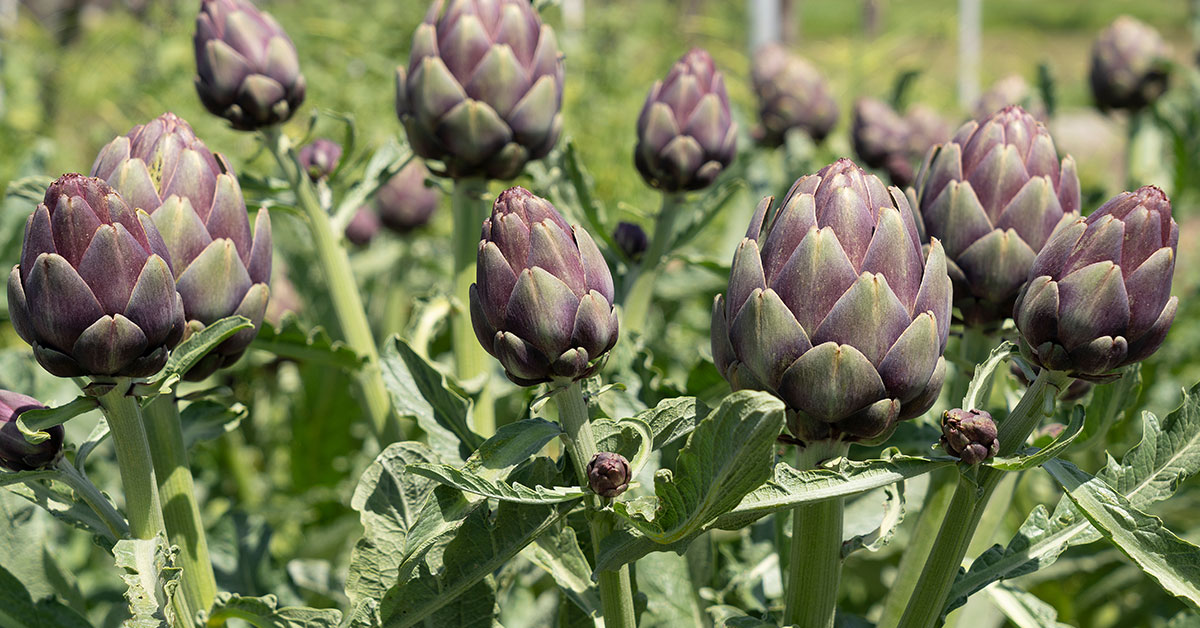

Welcome to the world of artichokes, a unique and delicious vegetable that thrives in the diverse climate of New Zealand. If you’re an avid gardener or simply looking to add a touch of elegance to your homegrown produce, artichokes are an excellent choice. However, knowing when to plant them is crucial to ensure a successful harvest. In this article, we will delve into the optimal planting times for artichokes in New Zealand, taking into account the country’s varying regions and climates.
Whether you reside in the mild north or the cooler south, we’ve got you covered with expert advice tailored specifically to New Zealand conditions. So, grab your gardening tools and let’s explore the best time to sow artichoke seeds or transplant seedlings in this beautiful land of the long white cloud.
Best varieties of Artichokes to grow in New Zealand
In New Zealand, the best varieties of artichokes to grow are the Green Globe and Purple Globe. These varieties are well-suited to the climate and soil conditions in New Zealand and have been proven to perform well in local gardens. Green Globe is the most common variety grown in New Zealand and is known for its large, round, green heads. Purple Globe, as the name suggests, has a purple hue to its heads and is slightly smaller in size. Both varieties are delicious and can be grown successfully in most regions of New Zealand.
When to plant Artichokes in New Zealand
The best time to plant artichokes in New Zealand is during the spring season, which is typically from September to November. This allows the plants to establish themselves before the summer heat and ensures a good harvest in the following year. It is important to note that artichokes are perennial plants, meaning they will continue to grow year after year, so planting them in the right season is crucial for their long-term success.
When to harvest Artichokes in New Zealand
Artichokes can be harvested in New Zealand from late spring to early summer, typically around November to December. The exact timing can vary depending on the specific climate and growing conditions in your region. It is important to monitor the plants closely and harvest the artichokes when the buds are still tight and compact, before they start to open and flower. Harvesting too late can result in tough and inedible artichokes.
Other considerations
When growing artichokes in New Zealand, there are several important considerations to keep in mind:
- Climate: Artichokes thrive in areas with mild winters and cool summers. They prefer a Mediterranean-like climate, so regions like Northland, Auckland, and parts of the Bay of Plenty are well-suited for growing artichokes. In colder regions, it is best to grow them in a greenhouse or as a container plant that can be moved indoors during winter.
- Soil: Artichokes prefer well-drained soil that is rich in organic matter. Before planting, amend the soil with compost or well-rotted manure to improve its fertility and drainage. A slightly acidic to neutral pH level (around 6.5-7.5) is ideal for artichokes.
- Sunlight: Artichokes require full sun to grow and produce well. Choose a location in your garden that receives at least 6-8 hours of direct sunlight each day.
- Watering: Artichokes have moderate water needs. They prefer consistently moist soil but do not tolerate waterlogged conditions. Water deeply once or twice a week, depending on rainfall and soil moisture levels. Mulching around the plants can help retain soil moisture and suppress weed growth.
- Fertilization: Artichokes are heavy feeders and benefit from regular fertilization. Apply a balanced organic fertilizer or compost in spring and again after harvesting the main crop. Additionally, side-dress the plants with compost or well-rotted manure during the growing season to provide a steady supply of nutrients.
- Planting and spacing: Artichokes can be grown from seeds or propagated from root divisions (suckers). If starting from seeds, sow them indoors 8-10 weeks before the last frost date and transplant them outdoors once the soil has warmed up. Space the plants about 1-1.5 meters apart to allow for their large size and spreading habit.
- Pests and diseases: Artichokes are generally resistant to most pests and diseases. However, they can occasionally be affected by aphids, slugs, snails, and fungal diseases like powdery mildew. Monitor your plants regularly and take appropriate measures, such as using organic pest control methods or removing affected leaves.
- Harvesting: Artichokes are ready for harvest when the buds are plump and firm, but before the scales start to open. Cut the artichoke stems about 5-8 cm below the bud. Harvesting should be done regularly to encourage the production of new buds.
By considering these factors, you can successfully grow artichokes in New Zealand and enjoy their delicious and nutritious harvest.