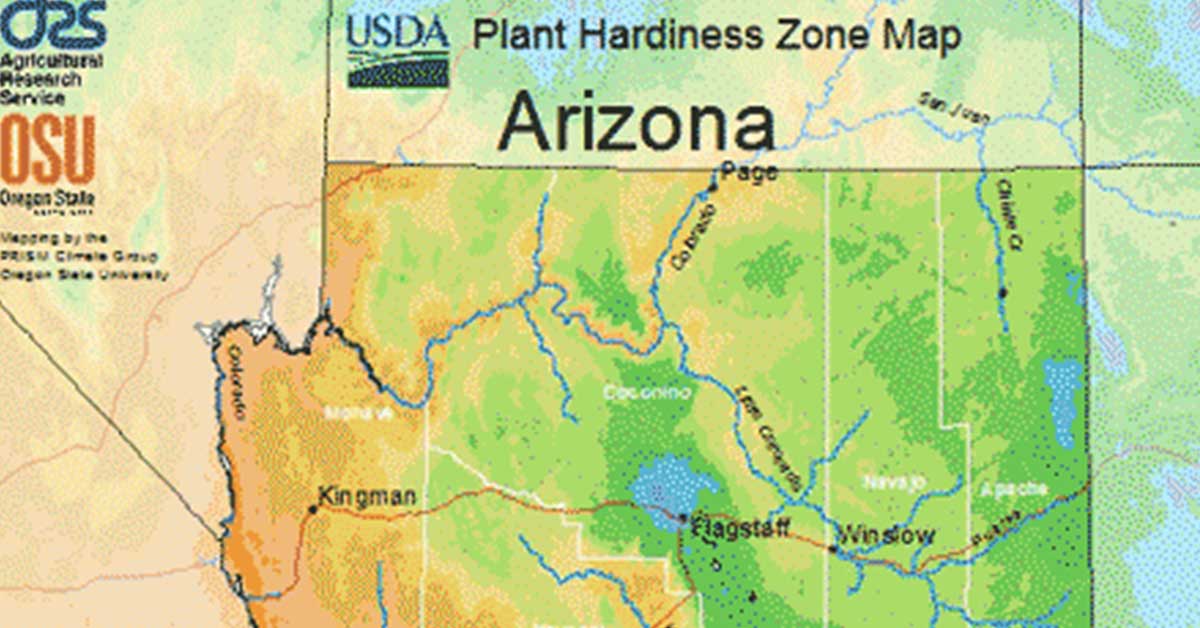

Welcome to the vibrant world of gardening in Mesa, Arizona! Situated in Maricopa County, Mesa offers a unique and favorable climate for gardening enthusiasts. As you embark on your gardening journey in this desert oasis, understanding the USDA hardiness zone is crucial. Mesa falls within the USDA hardiness zone 9b, which means it experiences mild winters and scorching summers.
This classification is essential for selecting the right plants, understanding their specific needs, and ensuring successful growth and thriving gardens. In this article, we will delve into the intricacies of gardening in Mesa, exploring the diverse plant options, best practices, and expert tips to help you create a flourishing garden in this arid region. So, grab your gardening tools and let’s dive into the world of gardening in Mesa!
What is Mesa’s USDA hardiness zone?
The USDA hardiness zone is a system developed by the United States Department of Agriculture (USDA) to categorize and define the climatic conditions of different regions in the United States. This system is based on the average annual minimum temperature and is used to determine which plants are most likely to thrive in a particular area.
Mesa, Arizona, falls within the USDA hardiness zone 9a. This means that the average annual minimum temperature in Mesa ranges from 20 to 25 degrees Fahrenheit (-6.7 to -3.9 degrees Celsius). The hardiness zone is a useful tool for gardeners and plant enthusiasts as it helps them select plants that are best suited to the local climate conditions.
In zone 9a, Mesa experiences hot and dry summers with temperatures often exceeding 100 degrees Fahrenheit (37.8 degrees Celsius). Winters are generally mild, with occasional frosts and temperatures rarely dropping below 20 degrees Fahrenheit (-6.7 degrees Celsius). The region also receives very little rainfall, making it a desert climate.
The hardiness zone is particularly important for selecting plants that can withstand the extreme heat and aridity of Mesa. It is advisable to choose plants that are well-adapted to desert conditions, such as cacti, succulents, and other drought-tolerant species. These plants have developed mechanisms to conserve water and thrive in the dry climate.
When planning a garden in Mesa’s hardiness zone 9a, it is essential to consider factors such as soil type, sun exposure, and water availability. Amending the soil with organic matter and using mulch can help improve water retention and provide nutrients to the plants. Additionally, providing shade and using irrigation systems can help mitigate the effects of the intense heat. It is also important to note that microclimates can exist within a specific hardiness zone.
Factors such as elevation, proximity to bodies of water, and urban heat island effect can influence the local climate conditions. Therefore, it is always recommended to observe and monitor the specific conditions of your garden to make informed decisions about plant selection and care.
Overall, understanding the USDA hardiness zone in Mesa, specifically zone 9a, is crucial for successful gardening and plant care. By selecting plants that are well-suited to the local climate, gardeners can create beautiful and thriving landscapes in this desert region.
When can you plant your garden in Mesa?
In Mesa, Arizona, the ideal planting times for different plants can vary based on the USDA hardiness zone. Mesa falls under USDA hardiness zone 9b, which means it experiences mild winters and hot summers. Here are the general guidelines for planting in Mesa:
Cool-season vegetables: The best time to plant cool-season vegetables like lettuce, spinach, broccoli, and carrots is in the fall, around September to October. These plants prefer cooler temperatures and can be harvested before the intense heat of summer.
Warm-season vegetables: Warm-season vegetables such as tomatoes, peppers, cucumbers, and beans thrive in the hot summers of Mesa. It is recommended to plant these vegetables in spring, around March to April, after the last frost date. This allows them to establish before the scorching temperatures arrive.
Perennials and ornamental plants: Perennials and ornamental plants can be planted in Mesa throughout the year, but it is best to avoid extreme weather conditions. Spring and fall are generally the most favorable times for planting these plants, as the temperatures are moderate and provide a good environment for root establishment.
Trees and shrubs: Trees and shrubs can be planted in Mesa during the fall and spring seasons. Fall planting, around October to November, is ideal as it allows the plants to establish their root systems before the heat of summer. Spring planting, around March to April, is also suitable, but it requires more diligent watering during the hot months.
Annual flowers: Annual flowers can be planted in Mesa during the fall and spring seasons. Fall planting, around September to October, allows the flowers to bloom during the cooler months. Spring planting, around March to April, ensures vibrant blooms during the mild spring temperatures.
It is important to note that these are general guidelines, and specific plant varieties may have different planting requirements. Additionally, monitoring weather conditions and adjusting planting times accordingly can help ensure successful growth and establishment of plants in Mesa.
What grows well in Mesa?
Mesa, Arizona falls within USDA hardiness zone 9b. This means that the average minimum winter temperature in Mesa ranges from 25 to 30 degrees Fahrenheit (-3.9 to -1.1 degrees Celsius). In this climate, it is important to choose plants that can tolerate the high temperatures and low humidity of the desert environment. Here is a comprehensive list of plants that generally grow well in Mesa:
- Agave americana (Century Plant)
- Aloe vera (Aloe)
- Bougainvillea spp. (Bougainvillea)
- Callistemon spp. (Bottlebrush)
- Cercis canadensis (Eastern Redbud)
- Citrus spp. (Citrus trees – oranges, lemons, limes)
- Cupressus sempervirens (Italian Cypress)
- Echinocactus grusonii (Golden Barrel Cactus)
- Echinopsis spp. (Cactus)
- Euphorbia spp. (Spurge)
- Ferocactus spp. (Barrel Cactus)
- Fouquieria splendens (Ocotillo)
- Grevillea spp. (Grevillea)
- Jacaranda mimosifolia (Jacaranda)
- Lantana spp. (Lantana)
- Lavandula spp. (Lavender)
- Lycium spp. (Wolfberry)
- Melaleuca spp. (Paperbark Tree)
- Muhlenbergia spp. (Muhly Grass)
- Opuntia spp. (Prickly Pear Cactus)
- Parkinsonia spp. (Palo Verde)
- Pennisetum setaceum (Purple Fountain Grass)
- Plumeria spp. (Frangipani)
- Prosopis spp. (Mesquite)
- Salvia spp. (Sage)
- Strelitzia reginae (Bird of Paradise)
- Tecoma spp. (Trumpet Vine)
- Trichocereus spp. (Night-Blooming Cactus)
- Yucca spp. (Yucca)
- Ziziphus jujuba (Jujube)
These are just a few examples of plants that thrive in Mesa’s hardiness zone. It is important to consider factors such as soil type, sun exposure, and water requirements when selecting plants for your specific garden.
What won’t grow in Mesa?
In Mesa, Arizona, which falls under USDA hardiness zone 9a, there are certain plants that may not thrive due to the region’s hot and arid climate. Here are some plants that may struggle in Mesa:
- Rhododendrons and Azaleas: These plants prefer cooler and more humid environments, making them less suitable for the desert-like conditions of Mesa.
- Blueberries: Blueberries require acidic soil and cooler temperatures, which are not typically found in Mesa. They may struggle to grow and produce fruit in this climate.
- Hydrangeas: Hydrangeas also prefer cooler and more humid conditions. While they can be grown in Mesa with extra care and attention, they may not thrive as well as in other regions.
- Lilacs: Lilacs are known for their fragrant blooms, but they require a period of winter chill to flower properly. The lack of cold winters in Mesa may hinder their growth and flowering.
- Ferns: Most ferns prefer shady and moist environments, which can be challenging to provide in the dry and hot conditions of Mesa.
- Hostas: Hostas are shade-loving plants that prefer cooler temperatures. The intense heat of Mesa may cause them to struggle and wilt.
- Certain cool-season vegetables: Cool-season vegetables like lettuce, spinach, and peas may struggle to grow in the hot summers of Mesa. They tend to bolt and become bitter when exposed to high temperatures.
It’s important to note that while these plants may not thrive in Mesa’s climate, with extra care, proper watering, and shade protection, it is still possible to grow them successfully.