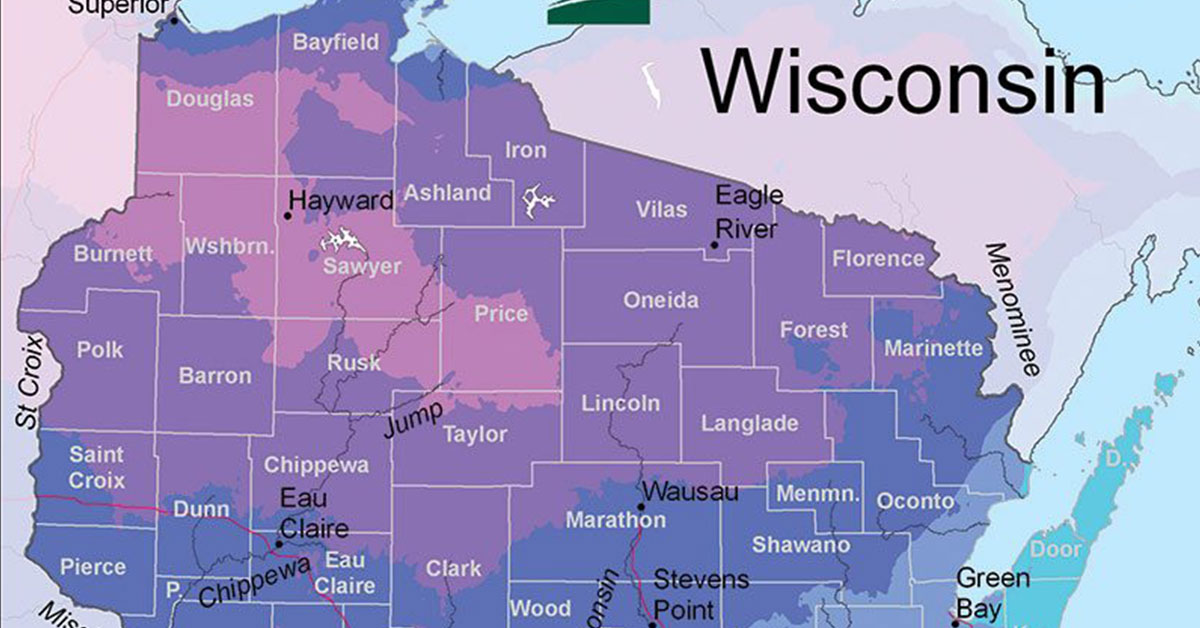

Welcome to the beautiful city of Madison, where gardening enthusiasts can indulge in their passion for plants and nature. Located in the heart of Wisconsin, Madison offers a unique gardening experience with its diverse climate and rich soil.
One of the key factors that gardeners need to consider when planning their gardens in Madison is the USDA hardiness zone. The USDA hardiness zone is a valuable tool that helps gardeners determine which plants are most likely to thrive in their specific region.
In this article, we will explore the USDA hardiness zone in Madison and provide valuable insights and tips for successful gardening in this vibrant city. Whether you are a seasoned gardener or just starting out, this article will be your guide to creating a flourishing garden in Madison’s unique climate.
What is Madison’s USDA hardiness zone?
The USDA hardiness zone is a system developed by the United States Department of Agriculture (USDA) to classify regions based on their average annual minimum temperatures. This system helps gardeners and plant enthusiasts determine which plants are most likely to thrive in a particular area. Madison, Wisconsin falls under USDA hardiness zone 5a. This means that the average annual minimum temperature in Madison ranges from -20 to -15 degrees Fahrenheit (-28.9 to -26.1 degrees Celsius).
It is important to note that this is the average minimum temperature, and extreme cold snaps can occur, causing temperatures to drop even lower. Understanding the hardiness zone is crucial for successful gardening as it helps determine which plants can survive and thrive in a specific climate. Plants that are not suited to the hardiness zone may struggle to survive or may require extra care and protection during colder months.
In Madison’s zone 5a, gardeners can choose from a wide range of plants that are adapted to cold temperatures. Some popular options include perennials like hostas, daylilies, and coneflowers. Additionally, vegetables such as lettuce, spinach, and peas can be grown in early spring and late fall. It is important to consider other factors besides hardiness zone when selecting plants for your garden.
Factors such as soil type, sunlight exposure, and moisture levels also play a significant role in determining a plant’s success. Therefore, it is recommended to research specific plant requirements and consult with local gardening experts or nurseries to ensure the best results. Overall, understanding the USDA hardiness zone in Madison, Wisconsin (zone 5a) helps gardeners make informed decisions about plant selection and care, increasing the chances of a successful and thriving garden.
When can you plant your garden in Madison?
In Madison, the ideal planting times for different plants can vary depending on the USDA hardiness zone. Madison falls under USDA hardiness zone 5b, which means it experiences an average minimum temperature range of -15 to -10 degrees Fahrenheit (-26 to -23 degrees Celsius). Here are some general guidelines for planting times in Madison based on the hardiness zone:
Early Spring (March to April): As the winter frost subsides, early spring is an ideal time to start planting cool-season crops such as lettuce, spinach, peas, radishes, and carrots. These plants can tolerate cooler temperatures and even a light frost.
Late Spring (May to June): Late spring is the prime time for planting warm-season crops like tomatoes, peppers, cucumbers, beans, corn, and squash. By this time, the soil has warmed up, and the risk of frost has significantly decreased.
Fall (August to September): In Madison, fall is an excellent time for planting certain crops that thrive in cooler temperatures. This includes cool-season vegetables like broccoli, cauliflower, Brussels sprouts, and kale. Additionally, fall is a great time to plant perennials, trees, and shrubs as they can establish their root systems before winter.
It’s important to note that these are general guidelines, and specific planting times can vary depending on weather conditions and individual plant requirements. It’s always a good idea to consult local gardening resources, such as the University of Wisconsin Extension, for more precise planting recommendations and to stay updated on any regional variations or changes in climate patterns.
What grows well in Madison?
Madison, Wisconsin is located in USDA hardiness zone 5b. This means that the average annual minimum temperature in this area ranges from -15 to -10 degrees Fahrenheit (-26 to -23 degrees Celsius). Here is a comprehensive list of plants that generally grow well in Madison’s hardiness zone:
- Coneflowers (Echinacea spp.)
- Black-eyed Susans (Rudbeckia spp.)
- Daylilies (Hemerocallis spp.)
- Hostas (Hosta spp.)
- Russian sage (Perovskia atriplicifolia)
- Sedums (Sedum spp.)
- Astilbes (Astilbe spp.)
- Bee balm (Monarda spp.)
- Peonies (Paeonia spp.)
- Ornamental grasses (Miscanthus spp., Panicum spp., etc.)
- Marigolds (Tagetes spp.)
- Petunias (Petunia spp.)
- Zinnias (Zinnia spp.)
- Impatiens (Impatiens spp.)
- Snapdragons (Antirrhinum spp.)
- Geraniums (Pelargonium spp.)
- Cosmos (Cosmos spp.)
- Sunflowers (Helianthus spp.)
- Salvia (Salvia spp.)
- Nicotiana (Nicotiana spp.)
- Lilacs (Syringa spp.)
- Hydrangeas (Hydrangea spp.)
- Spireas (Spiraea spp.)
- Ninebarks (Physocarpus spp.)
- Viburnums (Viburnum spp.)
- Weigelas (Weigela spp.)
- Potentillas (Potentilla spp.)
- Winterberry (Ilex verticillata)
- Burning bush (Euonymus alatus)
- Witch hazel (Hamamelis spp.)
- Maple trees (Acer spp.)
- Oak trees (Quercus spp.)
- Birch trees (Betula spp.)
- Crabapple trees (Malus spp.)
- Dogwood trees (Cornus spp.)
- Redbud trees (Cercis spp.)
- Serviceberry trees (Amelanchier spp.)
- Hawthorn trees (Crataegus spp.)
- Linden trees (Tilia spp.)
- Honeylocust trees (Gleditsia spp.)
- Tomatoes (Solanum lycopersicum)
- Peppers (Capsicum spp.)
- Beans (Phaseolus spp.)
- Cucumbers (Cucumis sativus)
- Lettuce (Lactuca sativa)
- Spinach (Spinacia oleracea)
- Basil (Ocimum basilicum)
- Parsley (Petroselinum crispum)
- Thyme (Thymus spp.)
- Chives (Allium schoenoprasum)
Remember to consider factors such as soil type, sunlight exposure, and water requirements when selecting plants for your specific garden.
What won’t grow in Madison?
In Madison, which falls under USDA hardiness zone 5b, there are certain plants that may struggle to thrive due to the region’s climate conditions. Here are some examples:
- Tropical plants: Plants that require consistently warm temperatures, such as banana trees (Musa spp.), hibiscus (Hibiscus spp.), and bougainvillea (Bougainvillea spp.), may struggle to survive the cold winters in Madison.
- Citrus trees: Citrus trees like lemon (Citrus limon), lime (Citrus aurantifolia), and orange (Citrus sinensis) are not well-suited to Madison’s climate. They require a more tropical or subtropical environment to thrive.
- Palm trees: Most palm trees, including coconut palms (Cocos nucifera) and date palms (Phoenix dactylifera), are not cold-hardy enough to survive Madison’s winters.
- Mediterranean plants: Plants that are native to Mediterranean regions, such as lavender (Lavandula spp.), rosemary (Rosmarinus officinalis), and olive trees (Olea europaea), may struggle in Madison’s colder climate.
- Tropical flowers: Flowers like orchids (Orchidaceae family), plumeria (Plumeria spp.), and bird of paradise (Strelitzia spp.) are not well-suited to Madison’s climate and may require a greenhouse or indoor environment to thrive.
It’s important to note that while these plants may struggle in Madison, there are still plenty of beautiful and hardy options available for gardening in this region. It’s always a good idea to choose plants that are native or well-adapted to your specific hardiness zone to ensure their success.