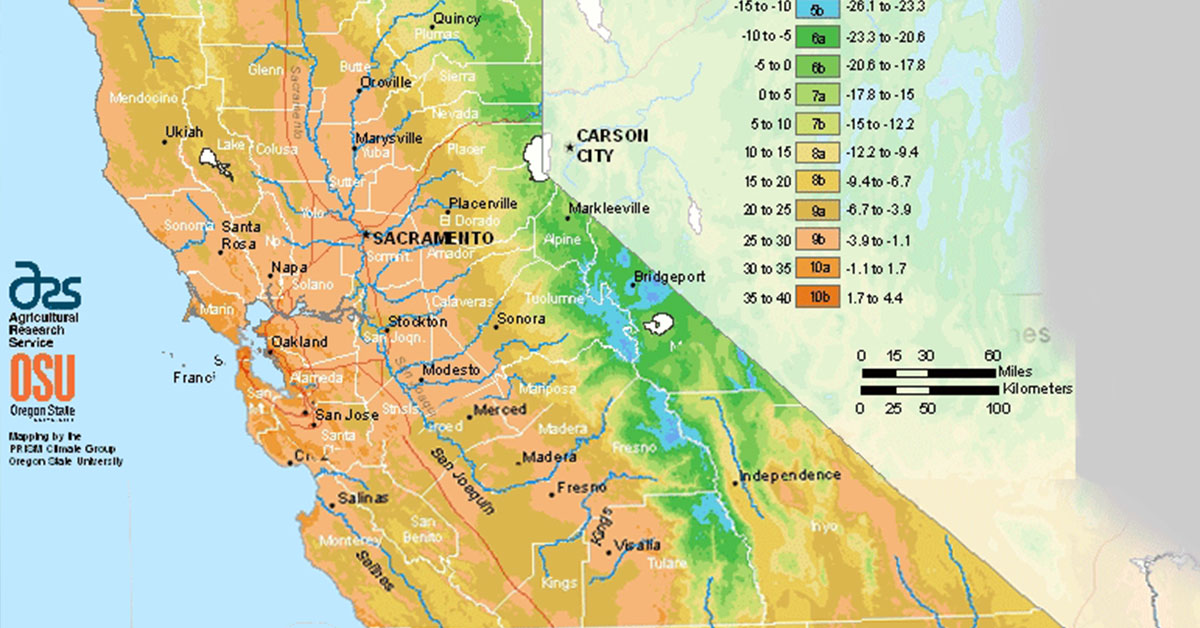

Welcome to the vibrant world of gardening in Long Beach, California! Nestled along the picturesque coast of Southern California, Long Beach offers a unique and favorable environment for cultivating a wide variety of plants. One key factor that plays a crucial role in successful gardening here is understanding the USDA hardiness zone. Long Beach falls within the USDA hardiness zone 10a, which means that it experiences mild winters with average minimum temperatures ranging from 30 to 35 degrees Fahrenheit (-1 to 2 degrees Celsius).
This zone classification provides valuable insights into the types of plants that thrive in our region, allowing gardeners to make informed choices and create stunning landscapes that flourish year-round. Whether you are a seasoned gardener or just starting out, this article will guide you through the essentials of gardening in Long Beach, helping you harness the full potential of this remarkable zone.
What is Long Beach’s USDA hardiness zone?
The USDA hardiness zone is a system used to classify regions based on their average annual minimum temperature. It helps gardeners determine which plants are most likely to thrive in their specific climate. In the case of Long Beach, California, it falls within USDA hardiness zone 10a. Zone 10a is characterized by mild winters and hot summers, making it ideal for a wide range of plants that thrive in warm climates.
The average annual minimum temperature in this zone ranges from 30 to 35 degrees Fahrenheit (-1 to 2 degrees Celsius). With such mild winters, gardeners in Long Beach have the advantage of being able to grow a variety of tropical and subtropical plants that cannot survive in colder regions.
Some popular choices for this zone include palm trees, citrus trees, bougainvillea, hibiscus, and various succulents. However, it’s important to note that even within a specific hardiness zone, microclimates can exist due to factors such as proximity to the coast, elevation, and urban heat island effect. Long Beach, being a coastal city, experiences a maritime influence that can moderate temperatures and create slightly different growing conditions compared to inland areas.
In Long Beach, the coastal influence helps to keep temperatures relatively mild throughout the year. Summers are warm to hot, with average high temperatures ranging from the mid-70s to mid-80s Fahrenheit (24 to 30 degrees Celsius). Winters are mild, with average lows ranging from the mid-40s to low 50s Fahrenheit (7 to 11 degrees Celsius). This mild climate allows for year-round gardening in Long Beach.
However, it’s important to consider the specific needs of each plant, as some may still require protection or special care during the cooler months. Additionally, the coastal influence can bring foggy and damp conditions, which may affect plant health and disease susceptibility.
To make the most of gardening in Long Beach’s USDA hardiness zone 10a, it’s recommended to choose plants that are well-suited to the warm and relatively frost-free climate. Consider factors such as sun exposure, soil type, and water requirements when selecting plants for your garden. Consulting with local nurseries or gardening experts can also provide valuable insights and recommendations specific to the Long Beach area.
When can you plant your garden in Long Beach?
In Long Beach, the ideal planting times for various plants can be determined by considering its USDA hardiness zone. Long Beach falls into USDA hardiness zone 10a, which is characterized by mild winters and hot summers. Here are some guidelines for the ideal planting times in this zone:
- Vegetables: In zone 10a, you can enjoy a long growing season for vegetables. Cool-season crops like lettuce, spinach, and broccoli can be planted in late summer or early fall for a winter harvest. Warm-season vegetables such as tomatoes, peppers, and beans can be planted in early spring after the last frost date, which typically occurs in late February or early March. These crops will thrive during the warm summer months.
- Herbs: Most herbs thrive in Long Beach’s climate. Perennial herbs like rosemary, thyme, and oregano can be planted year-round. Annual herbs such as basil, cilantro, and dill can be sown in early spring for a summer harvest.
- Flowers: Long Beach’s mild climate allows for year-round flower gardening. However, it’s best to plant annual flowers like marigolds, petunias, and zinnias in early spring for a colorful display throughout the summer. Perennial flowers can be planted in fall or early spring to establish their roots before the hot summer arrives.
- Fruits: Long Beach’s warm climate is ideal for growing a variety of fruits. Citrus trees like oranges, lemons, and limes can be planted in early spring or fall. Other fruit trees such as peaches, plums, and apples can be planted in late winter or early spring.
It’s important to note that these are general guidelines, and specific planting times may vary depending on weather conditions and individual plant requirements. Always check the specific planting recommendations for each plant variety to ensure optimal success.
What grows well in Long Beach?
Long Beach, California falls under USDA hardiness zone 10a, which is characterized by mild winters and hot summers. Here is a comprehensive list of plants that generally thrive in this zone:
- Agapanthus (Lily of the Nile)
- Aloe vera
- Bougainvillea
- Bird of Paradise (Strelitzia reginae)
- Canna lilies
- Citrus trees (lemon, orange, lime, etc.)
- Cordyline (Ti plant)
- Crassula ovata (Jade plant)
- Echeveria
- Euphorbia tirucalli (Pencil cactus)
- Ficus elastica (Rubber tree)
- Grevillea
- Hibiscus
- Lantana
- Lavender
- Leucadendron
- Mexican sage (Salvia leucantha)
- Oleander
- Plumeria (Frangipani)
- Portulaca (Moss rose)
- Rosemary
- Sansevieria (Snake plant)
- Sedum
- Society garlic (Tulbaghia violacea)
- Stenocarpus sinuatus (Firewheel tree)
- Succulents (various types)
- Tecoma stans (Yellow bells)
- Trachelospermum jasminoides (Star jasmine)
- Yucca
These plants are known to tolerate the warm climate, sandy soil, and occasional drought conditions in Long Beach. However, it’s important to consider specific microclimates within the city, as factors like proximity to the coast, sun exposure, and wind patterns can influence plant growth.
What won’t grow in Long Beach?
In Long Beach, which falls under USDA hardiness zone 10a, there are certain plants that may not thrive due to the specific climate conditions. Here are some plants that generally struggle in this zone:
- Cool-season plants: Plants that require a cold winter for proper growth and development may struggle in Long Beach’s mild climate. Examples include tulips, lilacs, and certain varieties of peonies.
- High-chill fruit trees: Fruit trees that require a certain number of chilling hours during winter may not thrive in Long Beach. Examples include apples, cherries, and some varieties of peaches.
- Cold-sensitive tropical plants: While Long Beach has a relatively warm climate, it can still experience occasional cold snaps. Cold-sensitive tropical plants like hibiscus, bougainvillea, and certain varieties of palms may struggle during these colder periods.
- Plants requiring a long period of dormancy: Some plants, particularly those native to regions with distinct seasons, require a longer period of dormancy to thrive. Long Beach’s mild climate may not provide the necessary conditions for these plants to go through their natural growth cycle. Examples include certain types of roses and deciduous trees.
- Alpine plants: Plants that are adapted to high-altitude environments or mountainous regions may struggle in Long Beach’s low elevation and coastal climate. Alpine plants like edelweiss, certain types of saxifrage, and alpine primroses may not thrive in this area.
It’s important to note that while these plants may not thrive in Long Beach’s specific conditions, there are still many other plant options that can flourish in this zone. It’s always best to choose plants that are well-suited to the local climate and soil conditions for optimal growth and success.