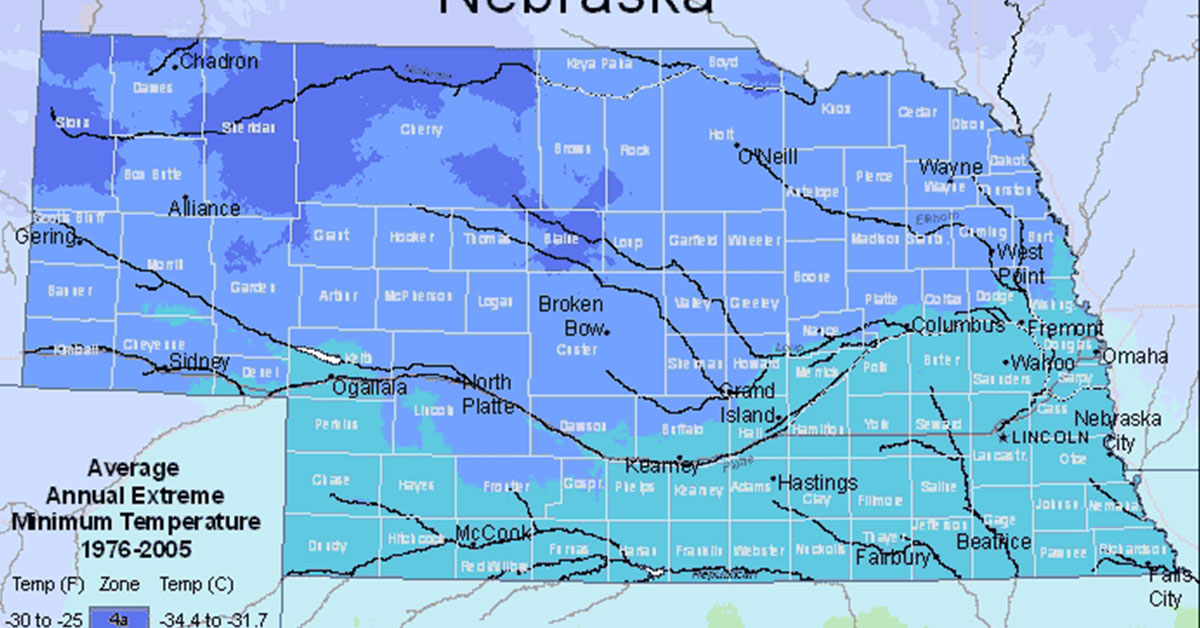

Welcome to the vibrant world of gardening in Lincoln, where the beauty of nature thrives in harmony with the city’s rich history. Nestled in the heart of Nebraska, Lincoln offers a unique gardening experience shaped by its USDA hardiness zone.
The USDA hardiness zone is a crucial factor for gardeners, as it determines which plants are most likely to thrive in a specific area based on their average annual minimum temperature. Lincoln falls within the USDA hardiness zone 5b, characterized by cold winters and warm summers. This zone presents a diverse range of gardening opportunities, from cultivating hardy perennials to experimenting with cold-tolerant vegetables.
Whether you are a seasoned gardener or just starting out, this article will guide you through the essentials of gardening in Lincoln’s USDA hardiness zone, helping you create a flourishing garden that withstands the challenges of the local climate.
What is Lincoln’s USDA hardiness zone?
The USDA hardiness zone is a system used to determine the suitability of plants for specific geographic regions based on their ability to withstand the average minimum winter temperatures. In the case of Lincoln, Nebraska, the city falls within USDA hardiness zone 5b. Zone 5b is characterized by an average minimum winter temperature range of -15 to -10 degrees Fahrenheit (-26 to -23 degrees Celsius). This means that plants recommended for this zone should be able to tolerate these cold temperatures without suffering significant damage or death.
Understanding the hardiness zone is crucial for gardeners and plant enthusiasts as it helps them select plants that are most likely to thrive in their specific climate conditions. By choosing plants that are well-suited to the local hardiness zone, gardeners can increase the chances of successful growth and minimize the risk of plant loss due to extreme cold.
In Lincoln’s zone 5b, gardeners should consider plants that are known to tolerate cold winters and have the ability to go dormant during the colder months. Some popular plant options for this zone include:
Perennials: Coneflowers, Black-eyed Susans, Daylilies, Hostas, and Sedums are all excellent choices for zone 5b. These plants are known for their ability to survive freezing temperatures and come back year after year.
Shrubs: Shrubs like Lilacs, Spireas, Potentillas, and Viburnums are well-suited to zone 5b. They offer beautiful blooms and foliage while being able to withstand the cold winters.
Trees: Some tree options for zone 5b include Maples, Crabapples, Birch, and Dogwoods. These trees are known for their hardiness and ability to thrive in colder climates.
It’s important to note that while the USDA hardiness zone provides a general guideline for plant selection, other factors such as soil type, sun exposure, and moisture levels should also be considered when choosing plants for your garden in Lincoln. Additionally, microclimates within the city can vary, so it’s always a good idea to consult with local nurseries or gardening experts for more specific recommendations based on your exact location within the city.
When can you plant your garden in Lincoln?
In Lincoln, Nebraska, the ideal planting times can be determined based on its USDA hardiness zone, which is typically Zone 5b. This means that the average minimum winter temperature in the area ranges from -15°F to -10°F (-26°C to -23°C).
For spring planting, it is generally recommended to wait until the danger of frost has passed. In Lincoln, this typically occurs around mid to late April. By this time, the soil has started to warm up, creating favorable conditions for most plants to establish and grow.
In terms of specific plants, cool-season vegetables like lettuce, spinach, peas, and radishes can be directly sown in the garden as soon as the soil can be worked in early spring. Other cool-season crops such as broccoli, cabbage, and cauliflower can be started indoors around 6-8 weeks before the last frost date and then transplanted outside once the risk of frost has passed.
Warm-season vegetables like tomatoes, peppers, cucumbers, and beans are more sensitive to cold temperatures and should not be planted until after the last frost date. In Lincoln, this is usually around mid to late April. These plants thrive in warm soil and air temperatures, so waiting until the soil has warmed up and the threat of frost has passed will ensure their successful growth.
Perennial flowers and ornamental plants can also be planted in the spring, typically after the last frost date. However, it’s important to note that some perennials may prefer fall planting to allow them to establish their root systems before winter.
In terms of fall planting, it is generally recommended to allow enough time for the plants to establish themselves before the first frost. In Lincoln, the first frost typically occurs in late September or early October. Fall is an excellent time to plant trees, shrubs, and perennials, as the cooler temperatures and increased rainfall provide favorable conditions for root development.
Overall, understanding the USDA hardiness zone for Lincoln, Nebraska, and the specific planting requirements of different plants will help gardeners determine the ideal planting times for a successful and thriving garden.
What grows well in Lincoln?
In Lincoln, Nebraska, the USDA hardiness zone is 5b. This means that the average minimum winter temperature ranges from -15°F to -10°F (-26°C to -23°C). Here is a comprehensive list of plants that generally grow well in Lincoln’s hardiness zone:
- Coneflowers (Echinacea spp.)
- Black-eyed Susans (Rudbeckia spp.)
- Daylilies (Hemerocallis spp.)
- Hostas (Hosta spp.)
- Russian Sage (Perovskia atriplicifolia)
- Sedums (Sedum spp.)
- Peonies (Paeonia spp.)
- Iris (Iris spp.)
- Salvia (Salvia spp.)
- Bee Balm (Monarda spp.)
- Coreopsis (Coreopsis spp.)
- Lilacs (Syringa spp.)
- Spirea (Spiraea spp.)
- Ninebark (Physocarpus spp.)
- Viburnums (Viburnum spp.)
- Potentilla (Potentilla spp.)
- Hydrangeas (Hydrangea spp.)
- Burning Bush (Euonymus alatus)
- Forsythia (Forsythia spp.)
- Mock Orange (Philadelphus spp.)
- Weigela (Weigela spp.)
- Maple (Acer spp.)
- Oak (Quercus spp.)
- Crabapple (Malus spp.)
- Birch (Betula spp.)
- Dogwood (Cornus spp.)
- Serviceberry (Amelanchier spp.)
- Honeylocust (Gleditsia triacanthos)
- Redbud (Cercis spp.)
- Hackberry (Celtis occidentalis)
- Kentucky Coffeetree (Gymnocladus dioicus)
- Clematis (Clematis spp.)
- Honeysuckle (Lonicera spp.)
- Trumpet Vine (Campsis radicans)
- Virginia Creeper (Parthenocissus quinquefolia)
- Climbing Hydrangea (Hydrangea anomala petiolaris)
- Tomatoes (Solanum lycopersicum)
- Peppers (Capsicum spp.)
- Zucchini (Cucurbita pepo)
- Beans (Phaseolus spp.)
- Sunflowers (Helianthus spp.)
- Marigolds (Tagetes spp.)
- Petunias (Petunia spp.)
- Snapdragons (Antirrhinum spp.)
- Impatiens (Impatiens spp.)
- Geraniums (Pelargonium spp.)
Remember to consider other factors like soil type, sunlight exposure, and moisture requirements when selecting plants for your specific garden. It’s also a good idea to consult with local nurseries or gardening experts for more specific recommendations based on your garden’s conditions.
What won’t grow in Lincoln?
In Lincoln, Nebraska, the USDA hardiness zone is typically classified as zone 5b. This means that the average minimum winter temperature ranges from -15°F to -10°F (-26°C to -23°C). While many plants can thrive in this zone, there are some that may struggle due to the colder temperatures. Here are a few examples of plants that may not thrive in Lincoln’s USDA hardiness zone:
- Tropical Plants: Plants like hibiscus, bougainvillea, and banana plants are not cold-hardy and will struggle to survive the harsh winters in Lincoln.
- Citrus Trees: Citrus trees, including lemon, lime, and orange trees, are not suitable for the colder temperatures in zone 5b. They require a more temperate climate to thrive.
- Palm Trees: Most palm tree species are not cold-hardy enough to survive in Lincoln’s zone 5b. They are typically found in warmer climates and require milder winters.
- Tender Perennials: Some perennials, such as certain varieties of lavender, rosemary, and sage, may struggle to survive the cold winters in Lincoln. These plants prefer a more moderate climate.
- Subtropical and Mediterranean Plants: Plants like oleander, bougainvillea, and some varieties of fig trees are not well-suited for the colder temperatures in Lincoln. They prefer warmer climates with milder winters.
It’s important to note that while these plants may struggle in Lincoln’s USDA hardiness zone, there are often ways to protect them during the winter months, such as using protective coverings or bringing them indoors. Additionally, there are many other plant options that are well-suited for zone 5b and will thrive in Lincoln’s climate.