
Welcome to the vibrant world of gardening in Laredo, Texas! Located in the southernmost region of the Lone Star State, Laredo boasts a unique climate that presents both opportunities and challenges for gardeners.
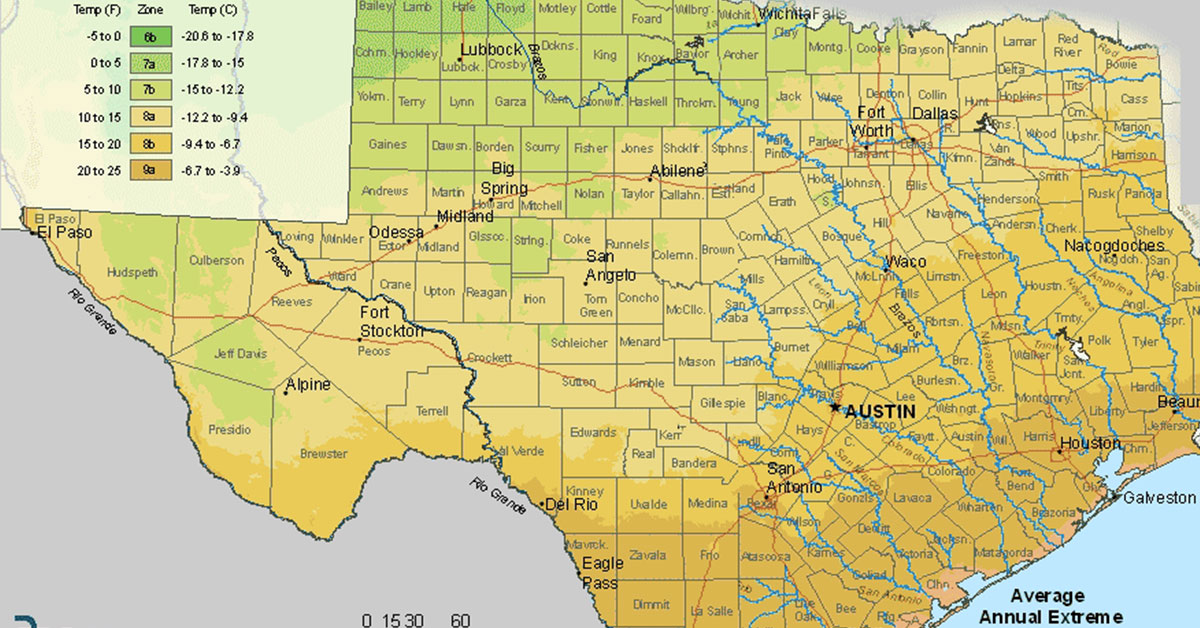
Understanding the USDA hardiness zone for this area is crucial for successful plant selection and care. Laredo falls within USDA hardiness zone 9b, which means it experiences mild winters and scorching hot summers. This classification provides valuable insight into the types of plants that thrive in this region, allowing gardeners to create beautiful and resilient landscapes.
Whether you are a seasoned gardener or just starting out, this article will guide you through the ins and outs of gardening in Laredo, helping you transform your outdoor space into a flourishing oasis.
What is Laredo’s USDA hardiness zone?
The USDA hardiness zone is a system developed by the United States Department of Agriculture (USDA) to categorize regions based on their average annual minimum temperatures. This system helps gardeners and plant enthusiasts determine which plants are most likely to thrive in a particular area.
Laredo, Texas, falls under USDA hardiness zone 9a. This means that the average annual minimum temperature in Laredo ranges from 20 to 25 degrees Fahrenheit (-6.7 to -3.9 degrees Celsius). It is important to note that this is just an average, and extreme weather events can cause temperatures to drop even further. In terms of gardening and plant care, knowing the hardiness zone is crucial as it helps determine which plants can withstand the local climate conditions.
Zone 9a is considered a warm climate zone, which means that Laredo experiences long, hot summers and mild winters. In this zone, gardeners have a wide range of plant options to choose from. Many tropical and subtropical plants thrive in this climate, including citrus trees, bougainvillea, hibiscus, and palms. Vegetables such as tomatoes, peppers, and eggplants also do well in this zone.
However, it is important to consider other factors besides temperature when selecting plants for your garden. Soil type, sunlight exposure, and water availability are also important considerations. Laredo has a semi-arid climate, so it is crucial to choose plants that can tolerate drought conditions and have good drainage.
To ensure the success of your garden in Laredo’s hardiness zone 9a, it is recommended to select plants that are labeled as suitable for this zone. Local nurseries and gardening centers often carry plants specifically adapted to the region’s climate. Additionally, it is helpful to consult with local gardening experts or extension offices for specific recommendations and tips on plant care in Laredo.
When can you plant your garden in Laredo?
In Laredo, Texas, the ideal planting times can be determined by considering its USDA hardiness zone. Laredo falls under USDA hardiness zone 9a, which means it experiences average minimum temperatures between 20 to 25 degrees Fahrenheit (-6.7 to -3.9 degrees Celsius).
Based on this hardiness zone, the ideal planting times in Laredo are generally in the spring and fall seasons. Here is a breakdown of the recommended planting times for different types of plants:
- Vegetables: In Laredo, the spring planting season typically begins in late February or early March. This is when you can start planting warm-season vegetables such as tomatoes, peppers, cucumbers, squash, and beans. Fall planting for cool-season vegetables like lettuce, spinach, kale, and broccoli can be done in late September or early October.
- Annual Flowers: For annual flowers, it is best to plant them in Laredo after the last frost date, which usually occurs in mid-February. Spring is the ideal time to plant annuals like marigolds, petunias, zinnias, and impatiens. Fall planting can be done in late September or early October for flowers like pansies, snapdragons, and ornamental cabbage.
- Perennial Flowers: Perennial flowers can be planted in Laredo during both spring and fall seasons. However, it is generally recommended to plant them in the fall to allow them to establish their root systems before the hot summer months. Some popular perennial flowers for Laredo include lantana, salvia, black-eyed Susan, and Mexican bush sage.
- Trees and Shrubs: Trees and shrubs can be planted in Laredo during the fall season, preferably in October or November. Planting in fall allows them to establish roots before the winter dormancy period. However, if you choose to plant in spring, do it early to give them enough time to acclimate before the summer heat. Some suitable tree and shrub options for Laredo include Texas ebony, desert willow, oleander, and rosemary.
It’s important to note that these are general guidelines, and specific plant varieties may have slightly different planting requirements. Always check the specific recommendations for each plant before planting. Additionally, local weather conditions and microclimates can vary, so it’s advisable to monitor local weather forecasts and consult with local gardening experts for the most accurate planting times in Laredo.
What grows well in Laredo?
Laredo, Texas falls within USDA hardiness zone 9a, which means it experiences average annual minimum temperatures between 20 to 25 degrees Fahrenheit (-6.7 to -3.9 degrees Celsius). This zone is characterized by hot summers and mild winters. Here is a comprehensive list of plants that generally grow well in Laredo:
- Agave americana (Century Plant)
- Agave parryi (Parry’s Agave)
- Agave victoriae-reginae (Queen Victoria Agave)
- Aloe vera (Medicinal Aloe)
- Bougainvillea spp. (Bougainvillea)
- Callistemon spp. (Bottlebrush)
- Canna spp. (Canna Lily)
- Cassia spp. (Senna)
- Cestrum nocturnum (Night Blooming Jasmine)
- Citrus spp. (Citrus Trees – oranges, lemons, limes)
- Cuphea spp. (Cigar Plant)
- Duranta erecta (Golden Dewdrop)
- Euphorbia spp. (Spurge)
- Gaura lindheimeri (Gaura)
- Hamelia patens (Firebush)
- Hibiscus spp. (Hibiscus)
- Lantana spp. (Lantana)
- Leucophyllum spp. (Texas Sage)
- Melampodium spp. (Blackfoot Daisy)
- Muhlenbergia capillaris (Pink Muhly Grass)
- Nolina texana (Texas Beargrass)
- Opuntia spp. (Prickly Pear Cactus)
- Plumbago auriculata (Plumbago)
- Portulaca spp. (Moss Rose)
- Ruellia spp. (Mexican Petunia)
- Salvia spp. (Sage)
- Strelitzia reginae (Bird of Paradise)
- Tecoma stans (Yellow Bells)
- Thevetia peruviana (Yellow Oleander)
- Yucca spp. (Yucca)
These plants are well-suited to the climate and soil conditions in Laredo. However, it’s important to consider factors such as sun exposure, soil type, and water requirements when selecting plants for your specific garden.
What won’t grow in Laredo?
In Laredo, Texas, the USDA hardiness zone is 9a. This means that the average minimum winter temperature ranges from 20 to 25 degrees Fahrenheit (-6.7 to -3.9 degrees Celsius). While many plants can thrive in this zone, there are some that may struggle due to the climate conditions. Here are a few plants that may not thrive in Laredo:
- Blueberries (Vaccinium spp.): Blueberries generally prefer cooler climates and acidic soil, which may be challenging to provide in Laredo’s hot and alkaline conditions.
- Lilacs (Syringa spp.): Lilacs require a period of winter dormancy and a colder climate to thrive. The mild winters in Laredo may not provide the necessary conditions for these plants.
- Hydrangeas (Hydrangea spp.): While some hydrangea varieties can tolerate warmer climates, most prefer cooler temperatures and may struggle to bloom consistently in Laredo’s heat.
- Peonies (Paeonia spp.): Peonies require a period of winter chill to produce their beautiful flowers. The mild winters in Laredo may not provide the necessary cold period for optimal growth.
- Rhododendrons (Rhododendron spp.): Rhododendrons prefer cooler climates and acidic soil, which may be challenging to provide in Laredo’s hot and alkaline conditions.
- Japanese Maples (Acer palmatum): Japanese maples are generally more suited to cooler climates and may struggle in Laredo’s hot and dry conditions.
- Tulips (Tulipa spp.): Tulips require a period of winter chill to bloom properly. The mild winters in Laredo may not provide the necessary cold period for optimal growth.
While these plants may not thrive in Laredo’s specific climate conditions, it’s worth noting that with proper care, some varieties of these plants may still be grown successfully. Additionally, there are many other plant options that are well-suited to Laredo’s climate and will thrive in the region.
Meta Description
Discover the perfect plants for Laredo’s unique hardiness zones! Explore our comprehensive guide to gardening success in this vibrant Texan city.