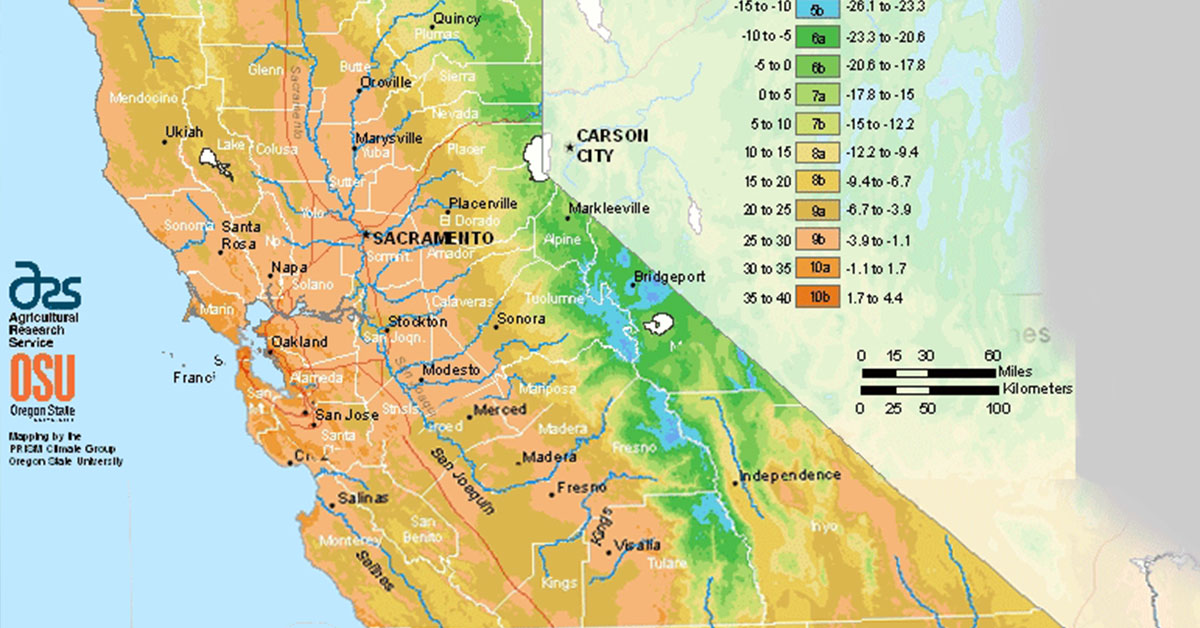

Welcome to the lush and vibrant world of gardening in Irvine, California! Nestled in the heart of Orange County, Irvine offers a unique and favorable climate for cultivating a wide variety of plants. One of the key factors that sets Irvine apart from other regions is its USDA hardiness zone.
With a zone rating of 10a, Irvine enjoys a mild Mediterranean climate, making it an ideal location for both seasoned gardeners and beginners alike. In this article, we will explore the significance of the USDA hardiness zone, its impact on gardening practices, and the exciting possibilities it presents for creating a thriving garden in Irvine.
Whether you have a green thumb or are just starting out, get ready to discover the joys of gardening in this beautiful Southern California city.
What is Irvine’s USDA hardiness zone?
The USDA hardiness zone is a system developed by the United States Department of Agriculture (USDA) to categorize regions based on their average annual minimum temperatures. This system helps gardeners and plant enthusiasts determine which plants are most likely to thrive in a particular area.
In the case of Irvine, California, the city falls under USDA hardiness zone 10a. This means that the average annual minimum temperature in Irvine ranges from 30 to 35 degrees Fahrenheit (-1.1 to 1.7 degrees Celsius). It is important to note that this is just an average, and extreme weather events can still occur, so it is always wise to be prepared for occasional temperature fluctuations.
Being in zone 10a, Irvine enjoys a relatively mild climate, making it suitable for growing a wide variety of plants. The long growing season and mild winters allow for the cultivation of both tropical and subtropical plants.
However, it is essential to consider other factors such as soil type, sunlight exposure, and water availability when selecting plants for your garden. Here are some plant options that generally thrive in USDA hardiness zone 10a:
- Citrus Trees: Orange, lemon, lime, and grapefruit trees are popular choices in this zone due to the warm climate.
- Succulents: Plants like agave, aloe vera, and various types of cacti are well-suited to the arid conditions of Irvine.
- Mediterranean Herbs: Herbs like rosemary, thyme, oregano, and lavender thrive in the Mediterranean-like climate of Irvine.
- Tropical Flowers: Hibiscus, bougainvillea, and bird of paradise add vibrant colors to the garden and flourish in the warm temperatures.
- Palms: Different palm tree varieties, such as the California fan palm or the Mexican fan palm, are well-suited to the tropical climate of Irvine.
- Native Plants: Incorporating native plants into your garden is always a good idea. Some examples for Irvine include California poppy, California lilac, and coast live oak.
It is important to note that microclimates can exist within a city, so factors like elevation, proximity to the coast, and urban heat island effect can influence the specific conditions in your garden. It is always recommended to consult with local nurseries, gardening experts, or extension services to get more specific advice tailored to your location within Irvine.
When can you plant your garden in Irvine?
In Irvine, California, the ideal planting times are determined by its USDA hardiness zone, which is typically classified as Zone 10a. This means that the area experiences mild winters and hot summers. Here are some guidelines for planting based on this hardiness zone:
- Spring Planting: In Irvine, spring is an excellent time for planting a wide range of plants. As the weather starts to warm up and the last frost has passed, typically around late February or early March, you can begin planting warm-season vegetables like tomatoes, peppers, cucumbers, and beans. It’s also a good time to plant annual flowers, herbs, and tropical plants.
- Fall Planting: Fall is another favorable planting time in Irvine. As the summer heat starts to wane, usually around September or October, you can plant cool-season vegetables such as lettuce, spinach, kale, and broccoli. Additionally, it’s a great time to establish perennial flowers, shrubs, and trees, as the cooler temperatures allow them to establish strong root systems before the next summer.
- Winter Planting: While winters in Irvine are relatively mild, it’s still possible to plant certain cool-season crops during this time. You can plant cool-season herbs like parsley, cilantro, and chives, as well as root vegetables like carrots, beets, and radishes. However, it’s important to monitor the weather and protect your plants from potential frost or cold snaps.
- Summer Planting: Due to the intense heat in Irvine during the summer months, it’s generally not recommended to plant most vegetables or flowers during this time. However, you can focus on maintaining and caring for existing plants, providing adequate water and shade to help them survive the heat.
Remember to consider the specific requirements of each plant, such as sunlight, soil type, and watering needs, to ensure successful growth. Additionally, it’s always helpful to consult with local nurseries or gardening experts for more specific information on planting times and suitable plant varieties for Irvine’s climate.
What grows well in Irvine?
In Irvine, California, the USDA hardiness zone is typically classified as zone 10a, which means the average minimum winter temperature ranges from 30 to 35 degrees Fahrenheit (-1.1 to 1.7 degrees Celsius). This zone is characterized by mild winters and hot summers. Here is a comprehensive list of plants that generally thrive in Irvine’s climate:
- Agave
- Aloe vera
- Bougainvillea
- Bird of Paradise (Strelitzia)
- Bottlebrush (Callistemon)
- Cacti (various types)
- California Poppy (Eschscholzia californica)
- Cape Honeysuckle (Tecoma capensis)
- Citrus trees (lemon, orange, lime)
- Eucalyptus
- Geraniums
- Hibiscus
- Ice Plant (Delosperma)
- Jasmine
- Lavender
- Lantana
- Mexican Feather Grass (Nassella tenuissima)
- Mexican Sage (Salvia leucantha)
- Oleander
- Palm trees (various types)
- Plumeria
- Rosemary
- Salvia (various types)
- Succulents (various types)
- Texas Ranger (Leucophyllum frutescens)
- Yucca
These plants are known to be well-suited to the climate and soil conditions in Irvine. However, it’s important to note that individual microclimates within the city may have slightly different conditions, so it’s always a good idea to observe your specific location and adjust your plant choices accordingly.
What won’t grow in Irvine?
In Irvine, which falls within USDA hardiness zone 10a, there are certain plants that may not thrive due to the region’s specific climate conditions. Here are some examples:
- Plants sensitive to frost: While Irvine generally experiences mild winters, occasional frost can occur. Therefore, plants that are sensitive to frost, such as citrus trees, tropical plants like hibiscus, and some succulents, may struggle to thrive.
- Cold-sensitive perennials: Some perennials that require a period of dormancy or cooler temperatures may not perform well in Irvine’s warm climate. Examples include peonies, tulips, and lilacs.
- Cool-season vegetables: Cool-season vegetables, which prefer cooler temperatures for optimal growth, may struggle in Irvine’s warm climate. Examples include broccoli, Brussels sprouts, and cauliflower. However, they can still be grown during the cooler months.
- High-water requirement plants: Irvine has a Mediterranean climate with hot, dry summers. Plants that have high water requirements or are not drought-tolerant may struggle to thrive without proper irrigation. Examples include water-loving plants like ferns, certain grasses, and some hydrangea varieties.
- Plants requiring a significant chill period: Some fruit trees, like apples and cherries, require a certain number of chill hours during winter to produce fruit. Since Irvine has a relatively mild winter, these types of fruit trees may not receive enough chill hours to thrive and produce a good crop.
It’s important to note that while these plants may not thrive in Irvine’s specific conditions, with proper care, irrigation, and microclimate adjustments, it is still possible to grow them successfully.