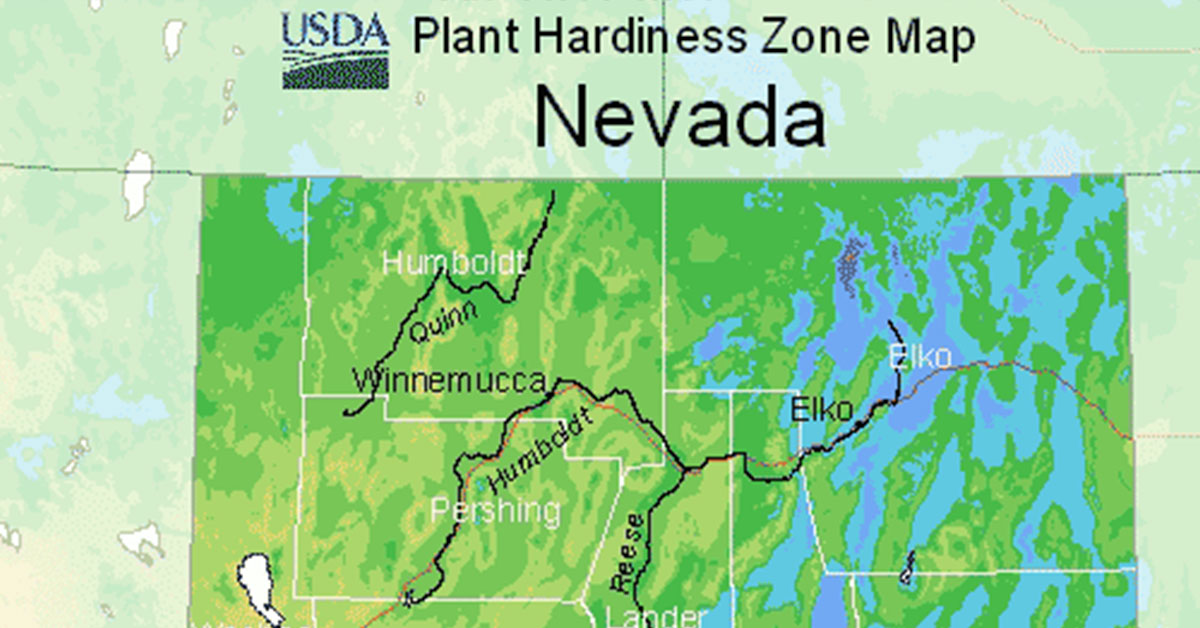

Welcome to the vibrant world of gardening in Henderson, where the desert climate meets the beauty of lush greenery. Located in Clark County, Nevada, Henderson offers a unique gardening experience with its USDA hardiness zone of 9a.
This zone classification is crucial for gardeners as it determines which plants can thrive in this specific region. With its hot summers, mild winters, and low annual rainfall, Henderson presents both challenges and opportunities for gardeners.
In this article, we will explore the intricacies of gardening in Henderson’s USDA hardiness zone, providing valuable insights and tips to help you create a thriving garden oasis in this arid landscape. Whether you are a seasoned gardener or just starting out, get ready to unlock the secrets of successful gardening in Henderson.
What is Henderson’s USDA hardiness zone?
The USDA hardiness zone is a system developed by the United States Department of Agriculture (USDA) to categorize regions based on their average annual minimum temperatures. This system helps gardeners and plant enthusiasts determine which plants are most likely to thrive in a particular area.
In the case of Henderson, Nevada, it falls under USDA hardiness zone 9a. This means that the average annual minimum temperature in Henderson ranges from 20 to 25 degrees Fahrenheit (-6.7 to -3.9 degrees Celsius). It is important to note that this is just an average, and extreme weather events can cause temperatures to drop even lower.
Knowing the hardiness zone is crucial because it helps gardeners select plants that can withstand the local climate conditions. Plants that are not suited to the zone’s temperature range may struggle to survive or may require extra care and protection during colder periods. In zone 9a, Henderson experiences hot, dry summers with temperatures often exceeding 100 degrees Fahrenheit (37.8 degrees Celsius).
Winters are generally mild, with occasional frosts and temperatures rarely dropping below freezing. The region also has low annual rainfall, making it necessary to provide supplemental irrigation to plants. When selecting plants for Henderson’s hardiness zone, it is advisable to choose those that are well-suited to the hot and arid conditions. Drought-tolerant plants such as succulents, cacti, and native desert plants are excellent choices.
Additionally, heat-loving plants like bougainvillea, lantana, and hibiscus thrive in this zone. It is also important to consider the soil conditions in Henderson. The region typically has alkaline soils with poor drainage. Amending the soil with organic matter, such as compost or peat moss, can help improve its fertility and drainage.
To ensure successful gardening in Henderson’s hardiness zone, it is recommended to research and select plants that are specifically labeled as suitable for zone 9a. Additionally, providing adequate irrigation, mulching to conserve moisture, and protecting plants during occasional frost events will help maintain a healthy and thriving garden.
When can you plant your garden in Henderson?
In Henderson, the ideal planting times for various plants can be determined by referring to its USDA hardiness zone. Henderson falls under USDA hardiness zone 9a, which means it experiences mild winters and hot summers. Here are the ideal planting times for different types of plants in Henderson:
- Annual Flowers and Vegetables: In Henderson, the planting season for annual flowers and vegetables typically starts in late February or early March. This allows the plants to establish themselves before the intense summer heat arrives. However, it’s important to monitor the weather and avoid planting during any late frosts that may occur.
- Perennial Flowers: Perennial flowers can be planted in Henderson during the cooler months of fall and early spring. Fall planting is especially beneficial as it allows the plants to establish a strong root system before the heat of summer. Spring planting can be done in late February or early March, similar to annual flowers and vegetables.
- Trees and Shrubs: Trees and shrubs can be planted in Henderson during the fall and spring seasons. Fall planting is preferable as it gives the plants time to establish their roots before the hot summer months. Spring planting can be done in late February or early March, but it’s important to ensure that the plants have enough time to establish themselves before the summer heat arrives.
- Bulbs: Bulbs, such as tulips, daffodils, and lilies, can be planted in Henderson during the fall season. Planting bulbs in late October or early November allows them to establish roots before the winter and bloom in the spring.
It’s important to note that these planting times are general guidelines, and it’s always recommended to check specific plant requirements and adjust planting times accordingly. Additionally, monitoring weather conditions and frost dates is crucial to ensure successful plant establishment in Henderson.
What grows well in Henderson?
Henderson, Nevada falls under USDA hardiness zone 9b. This means that the average minimum winter temperature in this area ranges from 25 to 30 degrees Fahrenheit (-3.9 to -1.1 degrees Celsius). Here is a comprehensive list of plants that generally thrive in Henderson’s climate:
- Agave
- Aloe vera
- Bougainvillea
- Bird of Paradise (Strelitzia reginae)
- Blue Daze (Evolvulus glomeratus)
- Bottlebrush (Callistemon spp.)
- Cacti (various types)
- Cape Honeysuckle (Tecoma capensis)
- Desert Marigold (Baileya multiradiata)
- Desert Spoon (Dasylirion spp.)
- Desert Willow (Chilopsis linearis)
- Euphorbia (various types)
- Fairy Duster (Calliandra eriophylla)
- Firecracker Penstemon (Penstemon eatonii)
- Golden Barrel Cactus (Echinocactus grusonii)
- Lantana (Lantana camara)
- Mexican Bird of Paradise (Caesalpinia mexicana)
- Mexican Evening Primrose (Oenothera speciosa)
- Oleander (Nerium oleander)
- Palo Verde (Parkinsonia spp.)
- Red Yucca (Hesperaloe parviflora)
- Rosemary (Rosmarinus officinalis)
- Saguaro Cactus (Carnegiea gigantea)
- Santa Rita Prickly Pear (Opuntia santa-rita)
- Texas Ranger (Leucophyllum frutescens)
- Yellow Bells (Tecoma stans)
- Yucca (various types)
These plants are well-suited to Henderson’s climate and can tolerate the hot, dry summers and mild winters. However, it’s important to note that individual microclimates within Henderson may vary, so it’s always a good idea to consider factors such as sun exposure, soil quality, and water availability when selecting plants for your specific location.
What won’t grow in Henderson?
In Henderson, Nevada, which falls under USDA hardiness zone 9a, there are certain plants that may struggle to thrive due to the region’s hot and arid climate. Here are some plants that may not do well in Henderson:
- Rhododendrons and Azaleas: These plants prefer cooler and more humid conditions, which are not typically found in Henderson’s climate.
- Blueberries: Blueberries require acidic soil, which is not common in the alkaline soil prevalent in Henderson. They also prefer cooler temperatures.
- Lilacs: Lilacs thrive in colder climates and require a period of winter dormancy, which is not typical in Henderson’s mild winters.
- Ferns: Most ferns prefer shady and moist environments, which are not easily replicated in the arid conditions of Henderson.
- Hydrangeas: Hydrangeas prefer cooler and more humid climates, making it challenging for them to thrive in Henderson’s hot and dry conditions.
- Hostas: Hostas prefer cooler temperatures and more moisture than what Henderson’s climate typically provides.
- Tulips: Tulips require a period of cold dormancy, which is not typical in Henderson’s mild winters.
- Peonies: Peonies prefer colder climates with distinct seasons and may struggle to bloom in Henderson’s warm climate.
- Delphiniums: Delphiniums prefer cooler temperatures and may struggle to survive in Henderson’s hot summers.
- Astilbes: Astilbes prefer cooler and more moist conditions, making it difficult for them to thrive in Henderson’s arid climate.
While these plants may not thrive in Henderson, there are many other beautiful and resilient plants that are well-suited to the region’s climate. It’s always a good idea to choose plants that are native or adapted to the local conditions for the best chances of success.