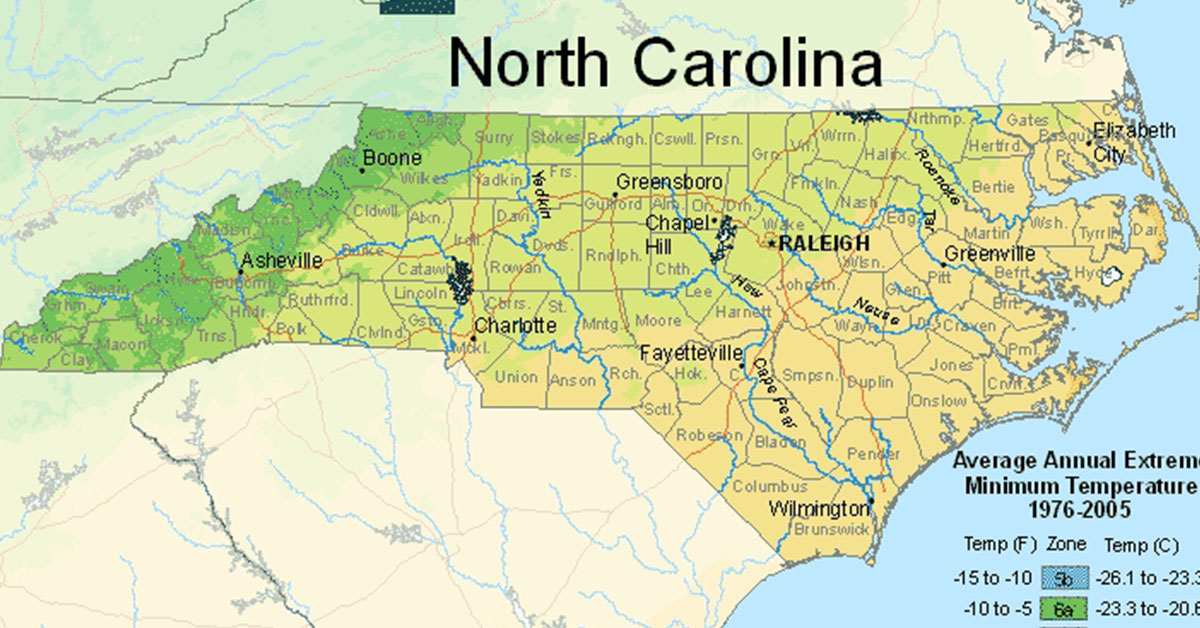

Welcome to Durham, a vibrant city nestled in the heart of North Carolina. Known for its rich history, thriving arts scene, and diverse community, Durham is also a haven for gardening enthusiasts. Whether you’re a seasoned gardener or just starting out, Durham offers a unique and exciting environment to cultivate your green thumb.
One of the key factors to consider when planning your garden in Durham is the USDA hardiness zone. The USDA hardiness zone map divides the United States into 13 zones based on average annual minimum temperatures, helping gardeners determine which plants are most likely to thrive in their specific region.
In this article, we will explore the USDA hardiness zone of Durham and provide valuable insights and tips to help you create a successful garden in this beautiful city.
What is Durham’s USDA hardiness zone?
The USDA hardiness zone is a system developed by the United States Department of Agriculture (USDA) to categorize regions based on their average annual minimum temperatures. It helps gardeners and plant enthusiasts determine which plants are most likely to thrive in a particular area.
Durham, North Carolina, falls under USDA hardiness zone 7b. This means that the average annual minimum temperature in Durham ranges from 5 to 10 degrees Fahrenheit (-15 to -12 degrees Celsius). The “b” designation indicates that Durham is on the warmer end of the zone, with milder winters compared to zone 7a.
Knowing the hardiness zone of Durham is crucial for successful gardening because it helps determine which plants can withstand the local climate conditions. Plants that are rated for zone 7b can generally tolerate the minimum temperatures experienced in Durham without significant damage or death. Here are some key considerations for gardening in Durham’s USDA hardiness zone 7b:
- Plant Selection: Choose plants that are recommended for zone 7b or lower. These plants are more likely to survive the winter and thrive in Durham’s climate. Some popular choices for this zone include azaleas, camellias, roses, and many types of vegetables and herbs.
- Frost Dates: Understanding the average first and last frost dates in Durham is essential for planning your garden. The last frost typically occurs around mid-April, while the first frost occurs around mid-November. This information helps determine when to start seeds indoors, transplant seedlings, and harvest crops before the first frost.
- Microclimates: Durham’s hardiness zone is a general guideline, but it’s important to consider microclimates within your specific location. Factors such as elevation, proximity to water bodies, and urban heat islands can create variations in temperature and affect plant hardiness. For example, low-lying areas near water may experience slightly milder winters compared to higher elevations.
- Winter Protection: Despite being in zone 7b, Durham can still experience occasional cold snaps or extreme weather events. To protect more tender plants during these periods, consider using mulch, frost blankets, or temporary structures like cold frames or hoop houses.
- Heat and Humidity: Durham’s hardiness zone also indicates that it experiences hot and humid summers. When selecting plants, consider their tolerance to heat and humidity, as these factors can impact plant health and growth. Adequate watering, shade, and proper air circulation are essential for maintaining plant vigor during the summer months.
Remember, while the USDA hardiness zone is a valuable tool, it’s not the only factor to consider when gardening. Soil type, sunlight exposure, and other local conditions also play a significant role in plant success. Consulting with local gardening resources, such as county extension offices or experienced gardeners in your area, can provide additional insights specific to Durham’s gardening challenges and opportunities.
When can you plant your garden in Durham?
In Durham, the ideal planting times for different plants can be determined by referring to the USDA hardiness zone. Durham falls under USDA hardiness zone 7b, which means it experiences an average minimum temperature range of 5 to 10 degrees Fahrenheit (-12 to -14 degrees Celsius).
For cool-season crops like lettuce, spinach, peas, and broccoli, the ideal planting time in Durham is in early spring, around late February to early March. These crops can tolerate light frosts and cooler temperatures.
Warm-season crops such as tomatoes, peppers, cucumbers, and beans require warmer soil and air temperatures. It is best to wait until after the last frost date, which typically occurs around mid-April in Durham, before planting these crops. This ensures that the soil has warmed up sufficiently for optimal growth.
Perennial plants, including trees, shrubs, and flowers, can be planted in Durham throughout the year, but it is generally recommended to plant them in early spring or early fall. This allows the plants to establish their root systems before the extreme heat of summer or the cold of winter.
It’s important to note that these planting times are general guidelines, and local weather conditions can vary from year to year. It’s always a good idea to monitor the weather forecast and adjust your planting schedule accordingly. Additionally, some plants may have specific requirements or preferences, so it’s beneficial to research individual plant species for more precise planting recommendations.
What grows well in Durham?
Durham is located in USDA hardiness zone 7b, which means it experiences an average annual minimum temperature range of 5 to 10 degrees Fahrenheit (-12 to -14 degrees Celsius). Here is a comprehensive list of plants that generally grow well in Durham’s climate:
- Red Maple (Acer rubrum)
- Southern Magnolia (Magnolia grandiflora)
- Dogwood (Cornus florida)
- Eastern Redbud (Cercis canadensis)
- American Holly (Ilex opaca)
- Bald Cypress (Taxodium distichum)
- Sweetgum (Liquidambar styraciflua)
- White Oak (Quercus alba)
- Black Walnut (Juglans nigra)
- Tulip Poplar (Liriodendron tulipifera)
- Azalea (Rhododendron spp.)
- Camellia (Camellia spp.)
- Boxwood (Buxus spp.)
- Forsythia (Forsythia spp.)
- Hydrangea (Hydrangea spp.)
- Nandina (Nandina domestica)
- Spirea (Spiraea spp.)
- Viburnum (Viburnum spp.)
- Winterberry (Ilex verticillata)
- Witch Hazel (Hamamelis spp.)
- Black-eyed Susan (Rudbeckia spp.)
- Coneflower (Echinacea spp.)
- Daylily (Hemerocallis spp.)
- Hosta (Hosta spp.)
- Iris (Iris spp.)
- Phlox (Phlox spp.)
- Salvia (Salvia spp.)
- Sedum (Sedum spp.)
- Coreopsis (Coreopsis spp.)
- Bee Balm (Monarda spp.)
- Petunia (Petunia spp.)
- Marigold (Tagetes spp.)
- Zinnia (Zinnia spp.)
- Impatiens (Impatiens spp.)
- Geranium (Pelargonium spp.)
- Begonia (Begonia spp.)
- Snapdragons (Antirrhinum spp.)
- Sunflowers (Helianthus spp.)
- Cosmos (Cosmos spp.)
- Coleus (Plectranthus scutellarioides)
- Tomatoes (Solanum lycopersicum)
- Peppers (Capsicum spp.)
- Beans (Phaseolus spp.)
- Squash (Cucurbita spp.)
- Cucumbers (Cucumis sativus)
- Basil (Ocimum basilicum)
- Rosemary (Rosmarinus officinalis)
- Thyme (Thymus spp.)
- Parsley (Petroselinum crispum)
- Mint (Mentha spp.)
Remember to consider factors like soil type, sunlight exposure, and water requirements when selecting plants for your specific garden. It’s always a good idea to consult with local nurseries or gardening experts for more specific recommendations based on your garden’s conditions.
What won’t grow in Durham?
In Durham, North Carolina, which falls under USDA hardiness zone 7b, there are certain plants that may struggle to thrive due to the region’s climate conditions. Here are some plants that may not perform well in Durham:
- Tropical Plants: Plants that require a consistently warm climate, such as banana trees (Musa spp.), coconut palms (Cocos nucifera), and hibiscus (Hibiscus spp.), may struggle to survive the occasional winter frosts in Durham.
- Cold-Sensitive Citrus Trees: Citrus trees like oranges, lemons, and limes (Citrus spp.) are generally not well-suited for Durham’s climate. They are sensitive to freezing temperatures and may require extra protection during the winter months.
- Tender Perennials: Some perennial plants that are not fully cold-hardy may struggle in Durham. Examples include certain varieties of lavender (Lavandula spp.), rosemary (Rosmarinus officinalis), and some salvias (Salvia spp.).
- Subtropical and Tropical Vines: Vines that thrive in warmer climates, such as bougainvillea (Bougainvillea spp.), passionflower (Passiflora spp.), and some varieties of jasmine (Jasminum spp.), may struggle to survive the colder winters in Durham.
- Warm-Season Annuals: Some annual flowers and vegetables that require a longer growing season, such as impatiens (Impatiens spp.), begonias (Begonia spp.), and tomatoes (Solanum lycopersicum), may have a shorter growing period in Durham due to the region’s relatively short summers.
It’s important to note that while these plants may not thrive in Durham’s climate, it doesn’t mean they cannot be grown at all. With proper care, protection, and microclimate adjustments, it is possible to cultivate these plants in Durham, but they may require extra attention to ensure their survival.