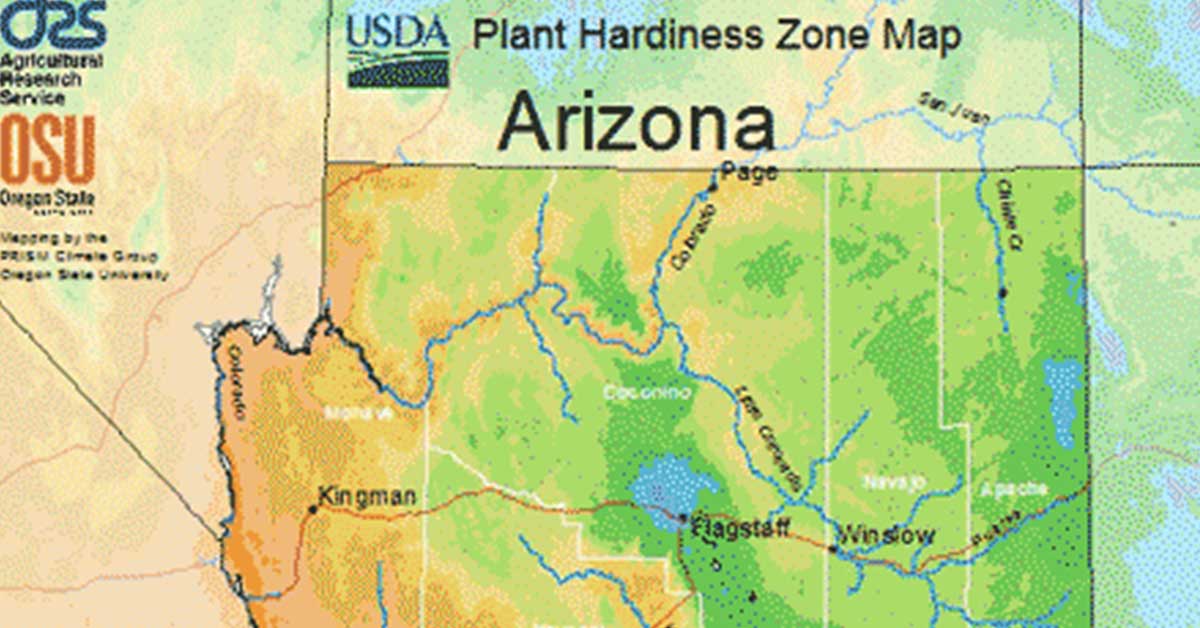

Welcome to the beautiful city of Chandler, where gardening enthusiasts can indulge in their passion for plants and nature. Located in Maricopa County, Arizona, Chandler offers a unique gardening experience due to its specific climate and USDA hardiness zone. Understanding the USDA hardiness zone is crucial for successful gardening, as it provides valuable information about the types of plants that can thrive in this area.
Chandler falls within the USDA hardiness zone 9b, characterized by hot summers, mild winters, and low annual rainfall. In this article, we will explore the challenges and opportunities that gardening in Chandler presents, as well as provide tips and recommendations for selecting and caring for plants in this zone.
Whether you are a seasoned gardener or a beginner, this guide will help you create a flourishing garden in Chandler’s unique climate.
What is Chandler’s USDA hardiness zone?
The USDA hardiness zone is a system used to classify and identify the climatic conditions of different regions in the United States. It helps gardeners and plant enthusiasts determine which plants are most likely to thrive in a particular area based on its average minimum winter temperature. Chandler, Arizona falls within USDA hardiness zone 9b.
This means that the average minimum winter temperature in Chandler ranges from 25 to 30 degrees Fahrenheit (-4 to -1 degrees Celsius). It is important to note that this zone classification is based on historical data and provides a general guideline, but extreme weather events and microclimates within the area can still influence plant survival.
In zone 9b, gardeners have the advantage of a relatively mild winter compared to colder regions. This allows for a longer growing season and the ability to grow a wide variety of plants. However, it is crucial to consider other factors such as heat tolerance, sun exposure, and water requirements when selecting plants for your garden in Chandler. Some plants that are well-suited for USDA hardiness zone 9b in Chandler include:
- Citrus trees: Lemon, lime, orange, and grapefruit trees thrive in the warm climate of Chandler. They require full sun and regular watering.
- Desert-adapted plants: Cacti, succulents, and other desert plants are excellent choices for Chandler gardens. They are drought-tolerant and can withstand the intense heat of the summer.
- Mediterranean herbs: Herbs like rosemary, thyme, oregano, and lavender are well-suited for the mild winters and hot summers of Chandler. They prefer well-drained soil and full sun.
- Native flowering plants: Utilizing native plants in your garden not only ensures they are well-adapted to the local climate but also supports the local ecosystem. Some examples include desert marigold, brittlebush, and penstemon.
- Warm-season vegetables: Chandler’s long growing season allows for the cultivation of warm-season vegetables like tomatoes, peppers, eggplants, and beans. These plants require full sun and regular watering.
It is important to research specific plant requirements, including sun exposure, soil type, and water needs, to ensure successful gardening in Chandler’s USDA hardiness zone 9b. Additionally, considering microclimates within your own garden, such as shaded areas or areas with different soil conditions, will help you make more informed plant choices and create a thriving garden.
When can you plant your garden in Chandler?
In Chandler, Arizona, the ideal planting times can vary depending on the specific USDA hardiness zone. Chandler falls under USDA hardiness zone 9b, which is characterized by hot summers and mild winters. Here are the recommended planting times for different types of plants in Chandler:
- Cool-Season Vegetables: Cool-season vegetables like lettuce, spinach, broccoli, and carrots can be planted in Chandler during the fall and winter months. The ideal planting time is from late September to early November, when temperatures start to cool down.
- Warm-Season Vegetables: Warm-season vegetables such as tomatoes, peppers, cucumbers, and beans thrive in Chandler’s hot climate. These should be planted after the danger of frost has passed, typically in late February or early March. They require warm soil temperatures to germinate and grow successfully.
- Perennials: Perennials, including flowers, shrubs, and trees, can be planted in Chandler throughout the year. However, it is best to avoid planting during the hottest summer months to reduce stress on the plants. Spring and fall are generally the most favorable seasons for planting perennials.
- Annual Flowers: Annual flowers like marigolds, petunias, and zinnias can be planted in Chandler during the spring after the last frost date, which is typically in mid-February. These plants thrive in warm temperatures and can add vibrant colors to your garden throughout the summer.
- Herbs: Most herbs, such as basil, rosemary, and thyme, prefer warm weather and can be planted in Chandler during the spring after the last frost date. They require well-drained soil and plenty of sunlight to grow successfully.
Remember to consider the specific requirements of each plant, such as sunlight, soil type, and water needs, when planning your garden in Chandler. Additionally, providing adequate shade, mulching, and regular watering are essential for the health and success of your plants in this arid climate.
What grows well in Chandler?
Chandler, Arizona falls under USDA hardiness zone 9b, which is characterized by hot summers and mild winters. Here is a comprehensive list of plants that generally thrive in this zone:
- Agave americana (Century Plant)
- Aloe vera (Aloe)
- Bougainvillea spp. (Bougainvillea)
- Callistemon spp. (Bottlebrush)
- Canna spp. (Canna Lily)
- Citrus spp. (Citrus trees – oranges, lemons, limes)
- Euphorbia tirucalli (Pencil Cactus)
- Lantana spp. (Lantana)
- Olea europaea (Olive tree)
- Opuntia spp. (Prickly Pear Cactus)
- Phoenix dactylifera (Date Palm)
- Plumeria spp. (Frangipani)
- Portulaca grandiflora (Moss Rose)
- Rosmarinus officinalis (Rosemary)
- Salvia spp. (Sage)
- Strelitzia reginae (Bird of Paradise)
- Tecoma spp. (Yellow Bells)
- Trachycarpus fortunei (Windmill Palm)
- Vitex agnus-castus (Chaste Tree)
- Yucca spp. (Yucca)
These plants are well-suited to the climate and soil conditions in Chandler, Arizona. However, it’s important to note that individual microclimates and specific growing conditions may vary, so it’s always a good idea to research each plant’s specific needs before planting.
What won’t grow in Chandler?
In Chandler, Arizona, which falls under USDA hardiness zone 9b, there are certain plants that may struggle to thrive due to the hot and arid climate. Here are some plants that typically do not do well in Chandler:
- Rhododendrons: These plants prefer cooler and more humid climates, so they may struggle in the hot and dry conditions of Chandler.
- Blueberries: Blueberries require acidic soil and cooler temperatures, which are not typically found in Chandler’s climate.
- Lilacs: Lilacs prefer colder winters and cooler summers, so they may struggle to survive and bloom in Chandler’s hot and arid conditions.
- Hydrangeas: Hydrangeas prefer more shade and moisture than what Chandler’s climate typically provides. They may struggle to thrive and produce their characteristic large blooms.
- Ferns: Ferns generally prefer more humid environments and may struggle to survive in Chandler’s dry climate.
- Hostas: Hostas prefer cooler temperatures and more moisture than Chandler’s climate typically offers. They may struggle to thrive and may not grow as large or lush as in other regions.
- Certain types of grass: Cool-season grasses like Kentucky bluegrass and fescue may struggle to survive in Chandler’s hot and arid climate. Warm-season grasses like Bermuda grass and buffalo grass are better suited for this region.
It’s important to note that while these plants may not thrive in Chandler, there are still many other plant options that are well-suited to the climate and can thrive in this region. It’s always a good idea to choose plants that are native or adapted to the local environment for the best chances of success.