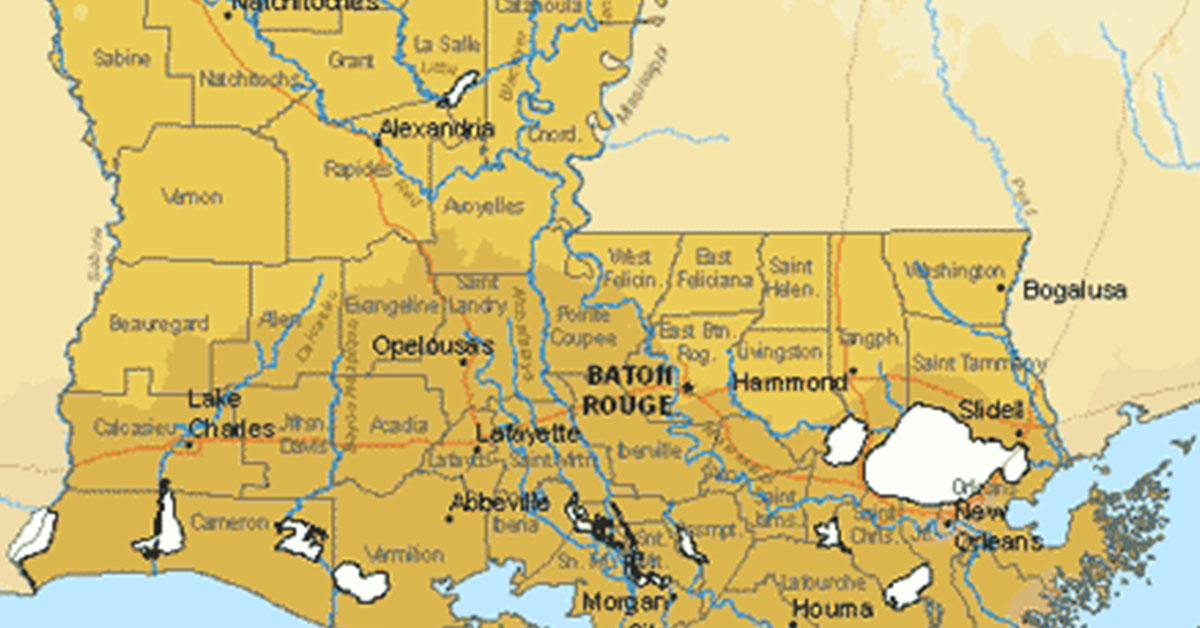

Welcome to the vibrant world of gardening in Baton Rouge, Louisiana! Nestled in the heart of the southern United States, Baton Rouge offers a unique and diverse environment for plant enthusiasts. One of the key factors to consider when planning your garden in this region is the USDA hardiness zone. Baton Rouge falls within zone 9a, which means that the area experiences mild winters and long, hot summers.
This classification plays a crucial role in determining which plants will thrive in your garden, as it provides valuable information about the average minimum winter temperatures. By understanding the USDA hardiness zone, you can make informed decisions about plant selection, ensuring a successful and flourishing garden in Baton Rouge.
What is Baton Rouge’s USDA hardiness zone?
The USDA hardiness zone is a system developed by the United States Department of Agriculture (USDA) to categorize regions based on their average annual minimum temperatures. This system helps gardeners and plant enthusiasts determine which plants are most likely to thrive in a particular area. Baton Rouge, the capital city of Louisiana, falls under USDA hardiness zone 9a.
This means that the average annual minimum temperature in Baton Rouge ranges from 20 to 25 degrees Fahrenheit (-6.7 to -3.9 degrees Celsius). It is important to note that this is just an average, and extreme weather events can cause temperatures to drop even lower. In zone 9a, gardeners have the advantage of a relatively long growing season, typically lasting from late February to early December.
This allows for a wide variety of plants to be grown successfully. However, it is still essential to choose plants that are well-suited to the specific climate conditions of Baton Rouge. Some popular plant options for zone 9a in Baton Rouge include:
- Trees: Southern magnolia, crape myrtle, live oak, bald cypress, and red maple.
- Shrubs: Azaleas, camellias, gardenias, hibiscus, and hydrangeas.
- Perennials: Daylilies, salvias, coneflowers, coreopsis, and black-eyed Susans.
- Annuals: Petunias, marigolds, zinnias, impatiens, and begonias.
- Vegetables: Tomatoes, peppers, okra, cucumbers, and sweet potatoes.
It is important to consider other factors besides temperature when selecting plants for your garden. Factors such as soil type, sunlight exposure, and moisture levels should also be taken into account. Additionally, proper care and maintenance, including watering, fertilizing, and pruning, are crucial for the health and success of your plants. By understanding the USDA hardiness zone and selecting plants accordingly, gardeners in Baton Rouge can create beautiful and thriving gardens that are well-suited to the local climate.
When can you plant your garden in Baton Rouge?
In Baton Rouge, the ideal planting times for different types of plants can be determined by its USDA hardiness zone. Baton Rouge falls under USDA hardiness zone 9a, which means it experiences mild winters and hot, humid summers. Here are the ideal planting times for various types of plants in Baton Rouge:
- Cool-season vegetables: Cool-season vegetables like lettuce, spinach, broccoli, and carrots can be planted in late summer or early fall, around September or October. These plants thrive in cooler temperatures and can be harvested before the heat of summer arrives.
- Warm-season vegetables: Warm-season vegetables such as tomatoes, peppers, cucumbers, and beans should be planted in spring, after the last frost date. In Baton Rouge, the last frost date typically occurs around mid-March to early April. Planting these vegetables in late March or early April will allow them to grow and produce before the extreme heat of summer.
- Perennials: Perennials like daylilies, coneflowers, and salvias can be planted in Baton Rouge during the fall or early spring. Fall planting allows the roots to establish before winter, while spring planting gives them a head start before the summer heat arrives.
- Annual flowers: Annual flowers such as marigolds, petunias, and zinnias can be planted in Baton Rouge after the last frost date, typically in late March or early April. These flowers thrive in warm temperatures and can provide colorful blooms throughout the summer.
- Trees and shrubs: Trees and shrubs can be planted in Baton Rouge during the fall or early spring when the weather is cooler and rainfall is more abundant. This allows the plants to establish their root systems before the stress of summer heat.
It’s important to note that these are general guidelines, and specific planting times may vary depending on weather conditions and individual plant requirements. It’s always a good idea to consult local gardening resources or contact your local cooperative extension office for more precise planting information.
What grows well in Baton Rouge?
Baton Rouge falls within USDA hardiness zone 9a, which means it has a mild winter with average minimum temperatures ranging from 20 to 25 degrees Fahrenheit (-6.7 to -3.9 degrees Celsius). Here is a comprehensive list of plants that generally thrive in Baton Rouge’s climate:
- Azaleas (Rhododendron spp.)
- Camellias (Camellia spp.)
- Louisiana Irises (Iris spp.)
- Crepe Myrtles (Lagerstroemia spp.)
- Southern Magnolias (Magnolia grandiflora)
- Japanese Maples (Acer palmatum)
- Sago Palms (Cycas revoluta)
- Palms (such as Windmill Palm – Trachycarpus fortunei)
- Agapanthus (Agapanthus spp.)
- Lantanas (Lantana spp.)
- Hibiscus (Hibiscus spp.)
- Daylilies (Hemerocallis spp.)
- Society Garlic (Tulbaghia violacea)
- Mexican Bush Sage (Salvia leucantha)
- Mexican Petunia (Ruellia brittoniana)
- Plumbago (Plumbago auriculata)
- Pentas (Pentas lanceolata)
- Knockout Roses (Rosa ‘Knock Out’)
- Confederate Jasmine (Trachelospermum jasminoides)
- Purple Coneflower (Echinacea purpurea)
- Black-eyed Susans (Rudbeckia spp.)
- Coreopsis (Coreopsis spp.)
- Salvia (Salvia spp.)
- Verbena (Verbena spp.)
- Mexican Heather (Cuphea hyssopifolia)
- Firebush (Hamelia patens)
- Milkweed (Asclepias spp.)
- Butterfly Bush (Buddleja spp.)
- Pampas Grass (Cortaderia selloana)
- Fountain Grass (Pennisetum spp.)
These plants are well-suited to Baton Rouge’s climate and can provide a range of colors, textures, and sizes to enhance your garden. However, it’s always important to consider specific growing conditions, such as soil type, sunlight exposure, and water requirements, when selecting plants for your garden.
What won’t grow in Baton Rouge?
In Baton Rouge, which falls under USDA hardiness zone 9a, there are certain plants that may not thrive due to the climate and environmental conditions. Here are some examples:
- Blueberries: Blueberries require a colder climate and acidic soil, which may not be suitable for Baton Rouge’s warm temperatures and alkaline soil.
- Lilacs: Lilacs prefer colder winters and may struggle to bloom in Baton Rouge’s mild climate.
- Peonies: Peonies need a period of winter dormancy and may not perform well in Baton Rouge’s year-round warm weather.
- Hydrangeas (Hydrangea macrophylla): While some hydrangea varieties can thrive in Baton Rouge, the mophead or bigleaf hydrangeas (Hydrangea macrophylla) may struggle due to their sensitivity to heat and humidity.
- Rhododendrons: Rhododendrons prefer cooler climates and may not thrive in Baton Rouge’s hot and humid conditions.
- Tulips: Tulips require a period of cold dormancy and may not perform well in Baton Rouge’s mild winters.
- Lilium (Lilies): Some lily varieties may struggle in Baton Rouge’s hot and humid climate, although some heat-tolerant varieties like the Asiatic lilies can still be grown successfully.
- Delphiniums: Delphiniums prefer cooler climates and may struggle in Baton Rouge’s warm temperatures.
- Hellebores: Hellebores can struggle in Baton Rouge due to their preference for cooler temperatures and may not bloom as prolifically.
- Daffodils: Daffodils require a period of cold dormancy and may not perform well in Baton Rouge’s mild winters.
While these plants may not thrive in Baton Rouge, there are still plenty of beautiful and suitable plant options available for your garden. It is always recommended to choose plants that are native or adapted to your specific region for the best chances of success.