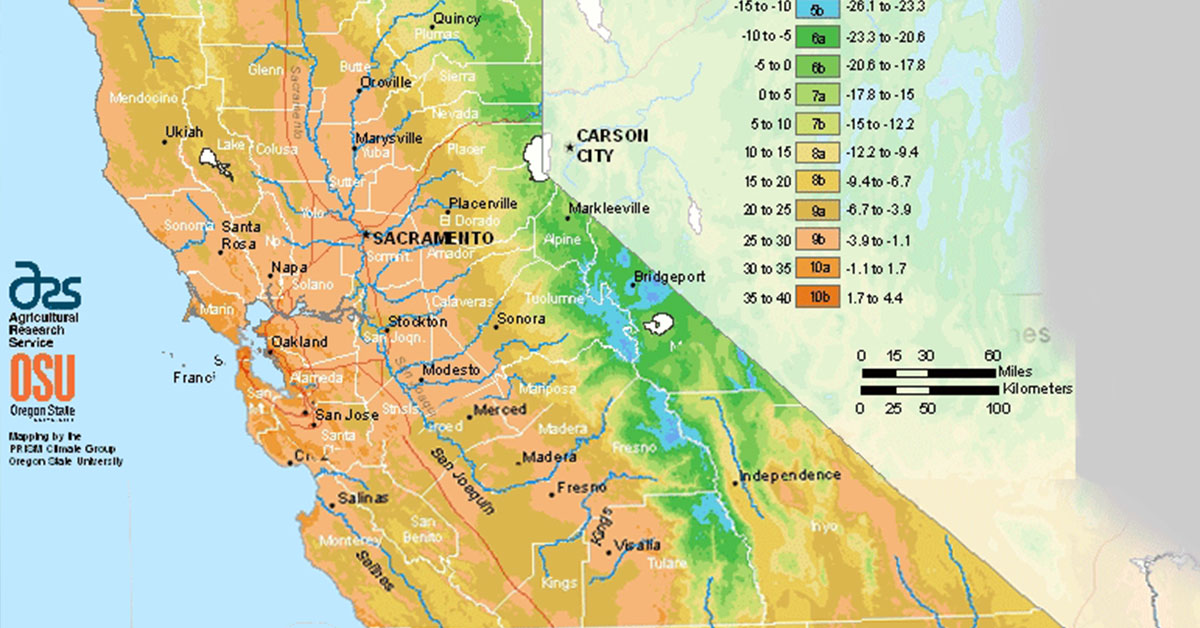

Welcome to Riverside, a city nestled in the heart of Southern California, where the warm Mediterranean climate and abundant sunshine create the perfect conditions for gardening enthusiasts. Whether you are a seasoned gardener or just starting out, Riverside offers a wealth of opportunities to cultivate a thriving garden. One crucial factor to consider when planning your garden in this region is the USDA hardiness zone, which determines which plants are most likely to thrive in our specific climate.
Understanding the hardiness zone is essential for selecting the right plants, ensuring their successful growth, and maximizing your gardening efforts. In this article, we will explore the USDA hardiness zone in Riverside, providing you with valuable insights and tips to create a beautiful and flourishing garden in our unique environment.
What is Riverside’s USDA hardiness zone?
The USDA hardiness zone is a system developed by the United States Department of Agriculture (USDA) to categorize regions based on their average annual minimum temperatures. This system helps gardeners and plant enthusiasts determine which plants are most likely to thrive in a particular area. In the case of Riverside, California, the city falls under USDA hardiness zone 9b.
This means that the average annual minimum temperature in Riverside ranges from 25 to 30 degrees Fahrenheit (-4 to -1 degrees Celsius). It is important to note that this is just an average, and extreme cold snaps can occur, so it is always wise to consider microclimates and local weather patterns when planning your garden. The hardiness zone designation is crucial because it helps gardeners select plants that are best suited to the local climate conditions.
Plants that are rated for zone 9b are typically able to tolerate mild winters and thrive in the warm Mediterranean climate of Riverside. These plants are adapted to long, hot summers and mild, wet winters. Some common plants that are well-suited for USDA hardiness zone 9b in Riverside include:
- Citrus trees: Varieties like oranges, lemons, and grapefruits are popular choices due to their ability to withstand the heat and thrive in the Mediterranean climate.
- Succulents: Plants like agave, aloe vera, and various types of cacti are well-suited for the arid conditions of Riverside. They are drought-tolerant and can handle the intense heat.
- Mediterranean herbs: Herbs such as rosemary, thyme, sage, and oregano are excellent choices for zone 9b. They love the warm, dry summers and can tolerate the occasional winter chill.
- Bougainvillea: This vibrant flowering vine is a popular choice in Riverside due to its ability to withstand heat and drought. It adds a splash of color to gardens and can tolerate poor soil conditions.
- California native plants: Many native plants are adapted to the Mediterranean climate of Riverside. Examples include California poppies, manzanitas, ceanothus, and toyon. These plants are well-suited to the local conditions and require less water and maintenance.
It is important to consider factors beyond just the hardiness zone when selecting plants for your garden. Soil type, sun exposure, and water availability are also crucial considerations. Consulting with local nurseries or gardening experts can provide further guidance on selecting the best plants for your specific garden in Riverside.
When can you plant your garden in Riverside?
In Riverside, the ideal planting times for various plants can be determined based on the USDA hardiness zone. Riverside falls under USDA hardiness zone 9b, which means it experiences mild winters and hot summers. Here are some general guidelines for planting times in Riverside:
- Spring Planting: Spring is an excellent time to start planting in Riverside. As the temperatures start to warm up, it is safe to plant a wide range of vegetables, annual flowers, and herbs. Some common plants to consider for spring planting include tomatoes, peppers, cucumbers, zucchini, beans, marigolds, petunias, and basil.
- Fall Planting: Fall is another favorable season for planting in Riverside. The cooler temperatures allow plants to establish their roots before the onset of winter. In the fall, you can plant cool-season vegetables like lettuce, spinach, kale, carrots, and radishes. Additionally, fall is an ideal time to plant perennials, shrubs, and trees as they can establish themselves during the milder weather.
- Winter Planting: Riverside’s mild winters provide an opportunity for winter planting as well. While the growth may be slower during this time, you can still plant cool-season vegetables such as broccoli, cauliflower, Brussels sprouts, and cabbage. It’s also a good time to plant bare-root roses, fruit trees, and other dormant plants.
- Summer Planting: Summers in Riverside can be scorching, so it’s best to focus on heat-tolerant plants during this time. You can plant heat-loving vegetables like tomatoes, peppers, eggplants, and okra. Additionally, drought-tolerant perennials and succulents are great choices for summer planting.
Remember, these are general guidelines, and it’s essential to consider specific plant requirements and adapt to the local climate conditions. Monitoring weather patterns and adjusting planting times accordingly can help ensure successful gardening in Riverside.
What grows well in Riverside?
Riverside, California falls under USDA hardiness zone 9b, which is characterized by mild winters and hot summers. Here is a comprehensive list of plants that generally thrive in this zone:
- Olive trees (Olea europaea)
- California sycamore (Platanus racemosa)
- California fan palm (Washingtonia filifera)
- Mexican fan palm (Washingtonia robusta)
- California black walnut (Juglans californica)
- California live oak (Quercus agrifolia)
- Chinese pistache (Pistacia chinensis)
- Southern magnolia (Magnolia grandiflora)
- California pepper tree (Schinus molle)
- Palo verde (Parkinsonia spp.)
- Bougainvillea (Bougainvillea spp.)
- Lantana (Lantana camara)
- Indian hawthorn (Rhaphiolepis indica)
- Rosemary (Rosmarinus officinalis)
- Texas sage (Leucophyllum frutescens)
- Pride of Madeira (Echium candicans)
- Mexican bush sage (Salvia leucantha)
- Heavenly bamboo (Nandina domestica)
- Crape myrtle (Lagerstroemia indica)
- Bottlebrush (Callistemon spp.)
- Agapanthus (Agapanthus spp.)
- Daylilies (Hemerocallis spp.)
- Mexican marigold (Tagetes lemmonii)
- Society garlic (Tulbaghia violacea)
- Verbena (Verbena spp.)
- Gazania (Gazania rigens)
- Ice plant (Delosperma spp.)
- Lamb’s ear (Stachys byzantina)
- Santa Barbara daisy (Erigeron karvinskianus)
- Mexican evening primrose (Oenothera berlandieri)
- Bougainvillea (Bougainvillea spp.)
- Passionflower (Passiflora spp.)
- Carolina jessamine (Gelsemium sempervirens)
- Honeysuckle (Lonicera spp.)
- Trumpet vine (Campsis radicans)
- Wisteria (Wisteria spp.)
- Morning glory (Ipomoea spp.)
- Clematis (Clematis spp.)
- Confederate jasmine (Trachelospermum jasminoides)
- Mandevilla (Mandevilla spp.)
- Zinnia (Zinnia spp.)
- Marigold (Tagetes spp.)
- Petunia (Petunia spp.)
- Portulaca (Portulaca grandiflora)
- Cosmos (Cosmos bipinnatus)
- Sunflower (Helianthus annuus)
- Geranium (Pelargonium spp.)
- Snapdragon (Antirrhinum majus)
- Nasturtium (Tropaeolum majus)
- Calendula (Calendula officinalis)
Remember to consider factors such as soil type, sun exposure, and water requirements when selecting plants for your specific garden in Riverside.
What won’t grow in Riverside?
In Riverside, California, which falls under USDA hardiness zone 9b, there are certain plants that may not thrive due to the region’s specific climate conditions. Here are some plants that may struggle in Riverside:
- Plants sensitive to frost: Riverside experiences mild winters, but occasional frosts can occur. Plants that are sensitive to frost, such as tropical plants like hibiscus, bougainvillea, and some varieties of palms, may struggle to survive.
- Cold-sensitive citrus trees: While some citrus trees can grow well in Riverside, certain varieties, such as the more cold-sensitive ones like limes and lemons, may struggle during colder winters. However, with proper protection during frost events, they can still be grown successfully.
- High water-demanding plants: Riverside has a semi-arid climate with limited water resources. Plants that require excessive watering or have high water demands, such as water-loving ferns or bog plants, may struggle to thrive in this region.
- Plants intolerant to heat and drought: Riverside experiences hot and dry summers, which can be challenging for plants that are not well-adapted to heat and drought. Examples include some cool-season vegetables like lettuce and spinach, as well as certain flower varieties like impatiens.
- Plants requiring a long winter chill: Riverside’s mild winters may not provide enough cold temperatures for plants that require a long winter chill period to set fruit or flower properly. Examples include certain apple and cherry tree varieties.
It’s important to note that while these plants may struggle in Riverside, there are still many other plant options that can thrive in this region’s climate. It’s always recommended to choose plants that are well-suited to the local conditions and to consult with local nurseries or gardening experts for specific plant recommendations.