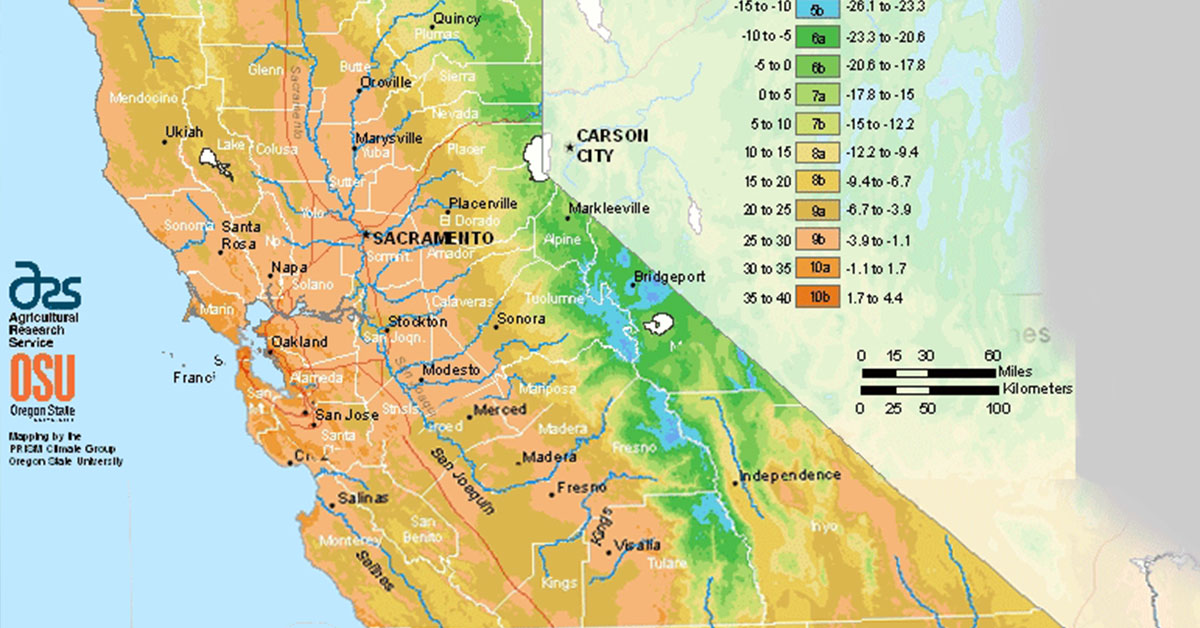

Welcome to the vibrant world of gardening in Santa Ana, California! Nestled in the heart of Orange County, this picturesque city offers a unique and favorable climate for cultivating a wide variety of plants. Understanding the USDA hardiness zone is essential for successful gardening in this region. Santa Ana falls within the USDA hardiness zone 10a, which means it experiences mild winters and hot summers.
This classification provides valuable information about the types of plants that thrive in this area, allowing gardeners to make informed choices and create stunning landscapes. Whether you’re a seasoned gardener or just starting out, this article will guide you through the intricacies of gardening in Santa Ana, helping you transform your outdoor space into a flourishing oasis.
What is Santa Ana’s USDA hardiness zone?
The USDA hardiness zone is a system developed by the United States Department of Agriculture (USDA) to categorize regions based on their average annual minimum temperatures. This system helps gardeners and plant enthusiasts determine which plants are most likely to thrive in a particular area. Santa Ana, located in Southern California, falls under USDA hardiness zone 10a.
This means that the average annual minimum temperature in Santa Ana ranges from 30 to 35 degrees Fahrenheit (-1.1 to 1.7 degrees Celsius). Zone 10a is considered a warm climate zone, characterized by mild winters and hot summers.
In Santa Ana’s hardiness zone, gardeners have the advantage of being able to grow a wide variety of plants that thrive in warm and Mediterranean climates. Here are some key considerations for gardening in Santa Ana’s USDA hardiness zone:
- Frost Protection: While Santa Ana experiences mild winters, occasional frosts can still occur. It is important to protect frost-sensitive plants during colder nights by covering them with frost blankets or bringing them indoors.
- Heat Tolerance: With hot summers, plants in Santa Ana need to be able to withstand high temperatures. Choose heat-tolerant varieties that can handle prolonged periods of intense heat without wilting or suffering heat stress.
- Drought Resistance: Santa Ana has a Mediterranean climate, which means it experiences dry summers. Select plants that are adapted to drought conditions and have low water requirements. Incorporate drought-tolerant landscaping techniques such as mulching and efficient irrigation systems to conserve water.
- Soil Conditions: Santa Ana has a variety of soil types, including clay, loam, and sandy soils. Before planting, it is essential to assess the soil’s drainage and fertility. Amend the soil with organic matter, such as compost, to improve its structure and nutrient content.
- Plant Selection: In zone 10a, gardeners have a wide range of plant options. Popular choices include citrus trees, succulents, cacti, bougainvillea, lavender, rosemary, and various palm trees. However, it is important to consider microclimates within Santa Ana, as certain areas may have slightly different growing conditions.
- Microclimates: Santa Ana can have microclimates due to variations in elevation, proximity to the coast, and urban heat island effects. These microclimates can affect temperature, humidity, and wind patterns. It is important to consider these factors when selecting plants and placing them in your garden.
- Watering Practices: Efficient watering practices are crucial in Santa Ana’s climate. Water deeply and infrequently to encourage deep root growth and prevent water wastage. Consider using drip irrigation systems or soaker hoses to deliver water directly to the plant’s root zone.
By understanding the USDA hardiness zone and considering the specific conditions in Santa Ana, gardeners can make informed choices about plant selection, care, and maintenance. It is always recommended to consult local gardening resources, nurseries, and experienced gardeners for more specific advice tailored to Santa Ana’s unique gardening conditions.
When can you plant your garden in Santa Ana?
In Santa Ana, the ideal planting times for different plants can be determined by considering its USDA hardiness zone, which is typically zone 10a. This means that the area experiences mild winters with average minimum temperatures ranging from 30 to 35 degrees Fahrenheit (-1 to 2 degrees Celsius).
For cool-season vegetables and annual flowers, the best time to plant is during the fall and winter months. This includes crops like lettuce, spinach, kale, carrots, and broccoli. Planting these in late summer or early fall allows them to establish before the cooler temperatures arrive, ensuring a bountiful harvest.
Warm-season vegetables and annual flowers thrive in Santa Ana’s long, hot summers. Planting these crops in late spring or early summer, after the last frost date, is ideal. This includes tomatoes, peppers, cucumbers, zucchini, marigolds, and petunias. These plants require warm soil and air temperatures to grow and produce well.
Perennial plants, such as trees, shrubs, and some flowers, can be planted throughout the year in Santa Ana. However, it is generally recommended to plant them in the fall or early spring when the weather is cooler and there is ample time for root establishment before extreme heat or cold sets in.
It’s important to note that microclimates within Santa Ana can vary, so it’s always a good idea to observe local conditions and consult with local nurseries or gardening experts for specific planting advice.
What grows well in Santa Ana?
In Santa Ana, which falls under USDA hardiness zone 10a, there are several plants that thrive in the warm, Mediterranean climate. Here is a comprehensive list of plants that grow well in Santa Ana:
- Agave americana (Century Plant)
- Aloe vera (Aloe)
- Bougainvillea spp. (Bougainvillea)
- Callistemon spp. (Bottlebrush)
- Canna spp. (Canna Lily)
- Citrus spp. (Citrus trees – oranges, lemons, limes)
- Cordyline fruticosa (Ti Plant)
- Crassula ovata (Jade Plant)
- Cycas revoluta (Sago Palm)
- Euphorbia milii (Crown of Thorns)
- Ficus benjamina (Weeping Fig)
- Grevillea spp. (Grevillea)
- Hibiscus spp. (Hibiscus)
- Lantana spp. (Lantana)
- Lavandula spp. (Lavender)
- Nerium oleander (Oleander)
- Opuntia spp. (Prickly Pear Cactus)
- Plumeria spp. (Frangipani)
- Portulaca grandiflora (Moss Rose)
- Rosmarinus officinalis (Rosemary)
- Salvia spp. (Salvia)
- Strelitzia reginae (Bird of Paradise)
- Tecoma spp. (Trumpet Vine)
- Trachelospermum jasminoides (Star Jasmine)
- Yucca spp. (Yucca)
These plants are well-suited to Santa Ana’s warm temperatures, mild winters, and low to moderate rainfall. However, it’s essential to consider factors such as sun exposure, soil type, and water requirements when selecting plants for specific locations within Santa Ana.
What won’t grow in Santa Ana?
In Santa Ana, which is located in USDA hardiness zone 10a, there are certain plants that may not thrive due to the climate conditions. Here are some examples:
- Lilacs (Syringa vulgaris): Lilacs require a period of winter chill to bloom properly, which is not typically provided in Santa Ana’s mild winters.
- Blueberries (Vaccinium spp.): Blueberries prefer acidic soil and cooler temperatures, making them challenging to grow in the warm climate of Santa Ana.
- Peonies (Paeonia spp.): Peonies need a period of winter dormancy and a significant amount of cold weather to produce their large, showy blooms, which may not occur in Santa Ana.
- Tulips (Tulipa spp.): Tulips require a period of cold dormancy in winter to bloom successfully, which is not typically provided in Santa Ana’s mild climate.
- Lilium (Lilies): Many lily varieties require a period of cold dormancy to bloom properly, making them challenging to grow in Santa Ana.
- Hydrangeas (Hydrangea spp.): While some hydrangea varieties can tolerate warmer climates, many require cooler temperatures and more consistent moisture than Santa Ana’s climate typically provides.
- Rhododendrons (Rhododendron spp.): Rhododendrons prefer cooler temperatures and higher humidity than Santa Ana’s climate typically offers.
It’s important to note that while these plants may not thrive in Santa Ana, there are still many other plant options that are well-suited to the region’s climate and can thrive in the area.