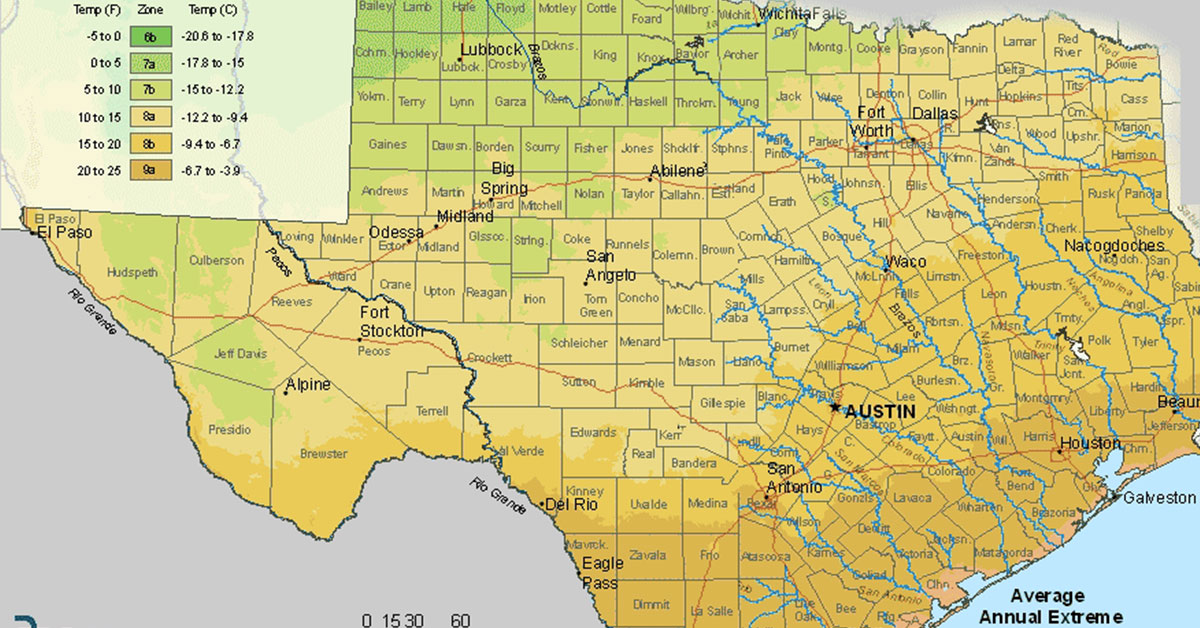

Welcome to the vibrant world of gardening in Fort Worth, Texas! Nestled in the heart of the Lone Star State, this city offers a unique blend of warm weather, rich soil, and a diverse range of plants that thrive in the region’s USDA hardiness zone. Understanding the USDA hardiness zone is crucial for successful gardening, as it provides valuable information about the specific climatic conditions in an area.
Fort Worth falls within the USDA hardiness zone 8a, which means it experiences mild winters and long, hot summers. This zone classification allows gardeners to select plants that are well-suited to the local climate, ensuring a bountiful and flourishing garden year-round. Whether you are a seasoned gardener or just starting out, this article will guide you through the ins and outs of gardening in Fort Worth, helping you create a beautiful and thriving oasis in your backyard.
What is Fort Worth’s USDA hardiness zone?
The USDA hardiness zone is a system that categorizes regions based on their average annual minimum temperatures. It helps gardeners and plant enthusiasts determine which plants are most likely to thrive in a particular area. In the case of Fort Worth, Texas, it falls under USDA hardiness zone 8a. Zone 8a is characterized by an average minimum temperature range of 10 to 15 degrees Fahrenheit (-12.2 to -9.4 degrees Celsius).
This means that during the coldest winter months, Fort Worth can experience temperatures within this range. It is important to note that this is an average, and extreme cold snaps or unusually warm winters can occur. Understanding the hardiness zone is crucial for selecting plants that can withstand the local climate conditions. In Fort Worth’s zone 8a, gardeners have a wide range of plant options available. Many popular plants that thrive in this zone include:
- Trees: Live oak, cedar elm, pecan, Texas ash, and Texas redbud.
- Shrubs: Yaupon holly, Texas sage, dwarf yaupon holly, rosemary, and abelia.
- Perennials: Black-eyed Susan, purple coneflower, lantana, salvia, and daylilies.
- Annuals: Marigolds, petunias, zinnias, begonias, and impatiens.
- Vegetables: Tomatoes, peppers, beans, squash, and cucumbers.
It is important to consider other factors besides hardiness zone when selecting plants. Soil type, sunlight exposure, and moisture levels also play a significant role in plant success. Additionally, microclimates within a garden or landscape can create variations in temperature and affect plant growth.
By understanding the USDA hardiness zone in Fort Worth, gardeners can make informed decisions about the types of plants that are most likely to thrive in their area. It is always recommended to consult local nurseries, gardening experts, or extension services for specific plant recommendations and guidance based on the unique conditions of your garden.
When can you plant your garden in Fort Worth?
In Fort Worth, the ideal planting times for various plants can be determined by considering the USDA hardiness zone of the region. Fort Worth falls under USDA hardiness zone 8a, which means it experiences an average minimum temperature range of 10-15°F (-12 to -9°C). Here are some general guidelines for planting times based on this hardiness zone:
- Spring Planting: In Fort Worth, the spring season is typically the best time for planting a wide range of plants. This includes cool-season vegetables like lettuce, spinach, and kale, as well as warm-season vegetables like tomatoes, peppers, and cucumbers. Spring is also a good time for planting annual flowers, herbs, and perennials.
- Fall Planting: Fall is another excellent planting season in Fort Worth. As the temperatures start to cool down, it is a great time to plant cool-season vegetables such as broccoli, cauliflower, carrots, and radishes. Additionally, fall is an ideal time for planting trees, shrubs, and perennials, as it allows them to establish their root systems before the arrival of winter.
- Winter Planting: While winter is generally a dormant period for most plants, Fort Worth’s mild winters allow for some planting opportunities. During this time, you can plant cool-season annuals like pansies, violas, and snapdragons, which can add color to your garden during the winter months. It is also a good time for planting bare-root roses and fruit trees.
- Summer Planting: Summers in Fort Worth can be hot and dry, making it challenging for new plants to establish themselves. However, if you provide proper care and irrigation, you can still plant heat-tolerant vegetables like okra, sweet potatoes, and southern peas. It is best to plant these heat-loving crops in late spring or early summer to give them a head start before the intense heat sets in.
Remember, these are general guidelines, and it is essential to consider the specific requirements of each plant and monitor weather conditions. Additionally, microclimates within Fort Worth can vary, so it’s always a good idea to consult with local nurseries or gardening experts for more precise planting recommendations.
What grows well in Fort Worth?
Fort Worth falls under USDA hardiness zone 8a, which means it experiences an average minimum temperature range of 10 to 15 degrees Fahrenheit (-12 to -9 degrees Celsius). Here is a comprehensive list of plants that generally grow well in Fort Worth:
- Marigolds (Tagetes)
- Zinnias (Zinnia elegans)
- Petunias (Petunia)
- Sunflowers (Helianthus annuus)
- Cosmos (Cosmos bipinnatus)
- Celosia (Celosia argentea)
- Black-eyed Susans (Rudbeckia hirta)
- Coneflowers (Echinacea purpurea)
- Daylilies (Hemerocallis)
- Salvias (Salvia spp.)
- Lantanas (Lantana camara)
- Coreopsis (Coreopsis spp.)
- Penstemons (Penstemon spp.)
- Lamb’s Ear (Stachys byzantina)
- Russian Sage (Perovskia atriplicifolia)
- Yarrow (Achillea millefolium)
- Texas Sage (Leucophyllum frutescens)
- Indian Hawthorn (Rhaphiolepis spp.)
- Dwarf Yaupon Holly (Ilex vomitoria ‘Nana’)
- Rosemary (Rosmarinus officinalis)
- Crape Myrtle (Lagerstroemia indica)
- Abelia (Abelia spp.)
- Barberry (Berberis spp.)
- Nandina (Nandina domestica)
- Spirea (Spiraea spp.)
- Texas Mountain Laurel (Sophora secundiflora)
- Live Oak (Quercus virginiana)
- Red Oak (Quercus spp.)
- Cedar Elm (Ulmus crassifolia)
- Texas Ash (Fraxinus texensis)
- Texas Redbud (Cercis canadensis var. texensis)
- Chinese Pistache (Pistacia chinensis)
- Mexican Plum (Prunus mexicana)
- Pecan (Carya illinoinensis)
- Bald Cypress (Taxodium distichum)
- Texas Persimmon (Diospyros texana)
- Crossvine (Bignonia capreolata)
- Carolina Jessamine (Gelsemium sempervirens)
- Trumpet Vine (Campsis radicans)
- Honeysuckle (Lonicera spp.)
- Passionflower (Passiflora spp.)
Remember, while these plants generally thrive in Fort Worth’s climate, it’s essential to consider factors like soil conditions, sun exposure, and water requirements when selecting and caring for plants.
What won’t grow in Fort Worth?
In Fort Worth, Texas, which falls under USDA hardiness zone 8a, there are certain plants that may not thrive due to the region’s climate and environmental conditions. Here are some plants that may struggle in Fort Worth:
- Rhododendrons: These plants prefer cooler climates and may struggle with the heat and humidity of Fort Worth.
- Blueberries: Blueberries require acidic soil, which is not typically found in the alkaline soil of Fort Worth. They may struggle to grow and produce fruit.
- Lilacs: Lilacs prefer colder winters and may not bloom well in the milder climate of Fort Worth.
- Hydrangeas: While some varieties of hydrangeas can tolerate the heat, many may struggle with the intense summer temperatures and require extra care and attention.
- Peonies: Peonies require a period of winter dormancy, which may not be consistently met in Fort Worth’s milder winters.
- Japanese maples: These trees may struggle with the hot, dry summers in Fort Worth and may require extra shade and moisture to thrive.
- English lavender: English lavender prefers cooler temperatures and well-drained soil, which may be a challenge to provide in Fort Worth’s climate.
It’s important to note that while these plants may not thrive in Fort Worth, there are often alternative varieties or cultivars that are better suited to the region’s conditions. Additionally, with proper care, some of these plants can still be grown successfully with extra attention to their specific needs.