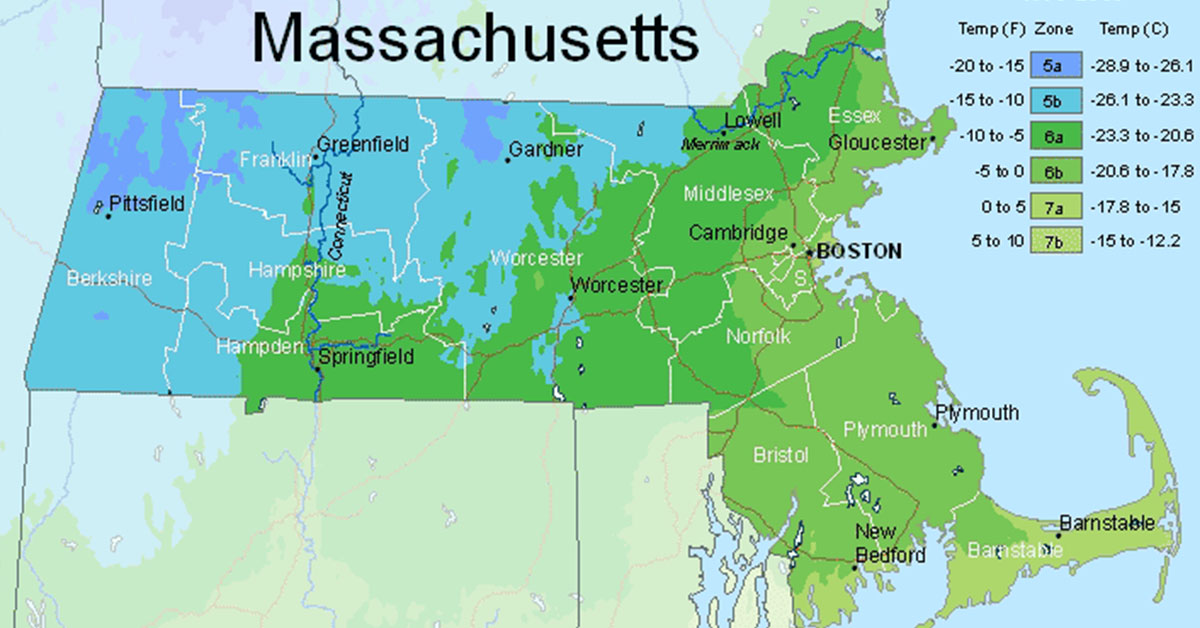

Welcome to the vibrant world of gardening in Boston, a city that offers a unique blend of history, culture, and natural beauty. Nestled within the USDA hardiness zone 6b, Boston provides a favorable environment for a wide variety of plants, making it a haven for both seasoned gardeners and enthusiastic beginners. With its distinct four seasons, Boston offers a diverse range of gardening opportunities, from cultivating colorful spring blooms to nurturing lush summer vegetables, witnessing the breathtaking foliage of fall, and preparing for the cold winter months.
In this article, we will explore the intricacies of gardening in Boston’s USDA hardiness zone, providing valuable insights, tips, and recommendations to help you create a thriving garden in this dynamic and ever-changing urban landscape.
What is Boston’s USDA hardiness zone?
The USDA hardiness zone is a classification system that helps gardeners determine which plants are most likely to thrive in a particular region based on the average minimum winter temperatures. In the case of Boston, Massachusetts, the USDA hardiness zone is typically classified as Zone 6a. Zone 6a is characterized by an average minimum winter temperature range of -10 to -5 degrees Fahrenheit (-23 to -21 degrees Celsius).
This means that plants suitable for this zone should be able to withstand these cold temperatures without suffering significant damage or death. In Boston, the Zone 6a classification indicates that the region experiences relatively cold winters, with occasional extreme cold snaps. It is important for gardeners in this zone to choose plants that are hardy enough to survive these conditions. Some examples of plants that are well-suited for Zone 6a in Boston include:
- Perennials: Coneflowers (Echinacea), Black-eyed Susans (Rudbeckia), Daylilies (Hemerocallis), Hostas, and Peonies (Paeonia).
- Shrubs: Lilacs (Syringa), Hydrangeas, Forsythias, Spireas, and Viburnums.
- Trees: Red Maples (Acer rubrum), Sugar Maples (Acer saccharum), White Birches (Betula papyrifera), Eastern Red Cedars (Juniperus virginiana), and Eastern White Pines (Pinus strobus).
It is important to note that while the USDA hardiness zone provides a general guideline for plant selection, other factors such as soil type, sun exposure, and moisture levels should also be considered when choosing plants for your garden in Boston. Additionally, microclimates within the city can vary, so it is always a good idea to observe local conditions and consult with local gardening experts for more specific recommendations.
When can you plant your garden in Boston?
In Boston, the ideal planting times for various plants can be determined by considering its USDA hardiness zone, which is Zone 6a. This zone indicates the average minimum winter temperature range of -10 to -5 degrees Fahrenheit (-23 to -21 degrees Celsius). Here are some general guidelines for planting in Boston:
- Spring Planting: As the winter frost recedes and the soil begins to warm up, typically in late April or early May, it is a good time to start planting cool-season crops such as lettuce, spinach, peas, radishes, and carrots. It is also a suitable time for transplanting hardy perennials, shrubs, and trees.
- Summer Planting: Once the threat of frost has passed and the soil has warmed up further, usually by late May or early June, it is time to plant warm-season crops such as tomatoes, peppers, cucumbers, beans, corn, and squash. This period is also ideal for planting annual flowers and herbs.
- Fall Planting: In Boston, the fall season offers another opportunity for planting. As the temperatures cool down in September and October, it is a great time to plant cool-season crops again, such as lettuce, kale, broccoli, and cabbage. Additionally, it is a suitable time for planting perennials, trees, and shrubs, as they can establish their root systems before winter.
It is important to note that these planting times are general guidelines and can vary depending on the specific weather conditions in a given year. It is advisable to monitor local weather forecasts and consult with local gardening resources for more accurate and up-to-date information on planting times in Boston.
What grows well in Boston?
Boston falls under USDA hardiness zone 6a, which means it experiences cold winters with temperatures ranging from -10°F to -5°F (-23°C to -20°C). Here is a comprehensive list of plants that generally thrive in Boston’s climate:
- Black-eyed Susan (Rudbeckia)
- Coneflower (Echinacea)
- Daylily (Hemerocallis)
- Hosta (Hosta spp.)
- Bee balm (Monarda)
- Russian sage (Perovskia atriplicifolia)
- Sedum (Sedum spp.)
- Phlox (Phlox spp.)
- Astilbe (Astilbe spp.)
- Bleeding heart (Dicentra spectabilis)
- Peony (Paeonia spp.)
- Coral bells (Heuchera spp.)
- Liatris (Liatris spicata)
- Salvia (Salvia spp.)
- Hellebore (Helleborus spp.)
- Hydrangea (Hydrangea spp.)
- Rhododendron (Rhododendron spp.)
- Azalea (Rhododendron spp.)
- Lilac (Syringa spp.)
- Spirea (Spiraea spp.)
- Viburnum (Viburnum spp.)
- Forsythia (Forsythia spp.)
- Weigela (Weigela spp.)
- Potentilla (Potentilla spp.)
- Witch hazel (Hamamelis spp.)
- Red maple (Acer rubrum)
- Sugar maple (Acer saccharum)
- Japanese maple (Acer palmatum)
- Dogwood (Cornus spp.)
- Eastern redbud (Cercis canadensis)
- Crabapple (Malus spp.)
- Serviceberry (Amelanchier spp.)
- White oak (Quercus alba)
- River birch (Betula nigra)
- Eastern white pine (Pinus strobus)
- American beech (Fagus grandifolia)
- Clematis (Clematis spp.)
- Honeysuckle (Lonicera spp.)
- Virginia creeper (Parthenocissus quinquefolia)
- Trumpet vine (Campsis radicans)
- Climbing hydrangea (Hydrangea anomala subsp. petiolaris)
- Marigold (Tagetes spp.)
- Zinnia (Zinnia spp.)
- Petunia (Petunia spp.)
- Pansy (Viola spp.)
- Snapdragons (Antirrhinum majus)
- Impatiens (Impatiens spp.)
- Sweet Alyssum (Lobularia maritima)
- Foxglove (Digitalis purpurea)
- Calendula (Calendula officinalis)
- Forget-me-not (Myosotis spp.)
Remember that while these plants are generally well-suited for Boston’s climate, it’s essential to consider factors like soil type, sun exposure, and moisture levels when selecting plants for your specific garden.
What won’t grow in Boston?
In Boston, which falls under USDA hardiness zone 6b, there are certain plants that may not thrive due to the region’s climate and growing conditions. Here are some examples:
- Tropical plants: Plants that require consistently warm temperatures and high humidity, such as hibiscus, bougainvillea, and banana trees, may struggle to survive in Boston’s colder winters.
- Desert plants: Cacti and succulents, which are adapted to arid environments, may not fare well in Boston’s more humid climate and colder temperatures.
- Tender perennials: Some perennials that are borderline hardy in zone 6 may struggle to survive Boston’s harsh winters. Examples include certain varieties of lavender, rosemary, and certain types of salvias.
- Subtropical plants: Plants that are native to subtropical regions, such as citrus trees, may not be able to tolerate Boston’s cold winters and may require protection or indoor care.
- Warm-season annuals: Plants that thrive in warmer temperatures, such as impatiens, begonias, and coleus, may struggle to perform well in Boston’s shorter growing season and cooler summers.
It’s important to note that while these plants may not thrive in Boston’s climate, it doesn’t mean they cannot be grown there. With proper care, protection, and microclimate adjustments, it’s possible to cultivate these plants successfully.