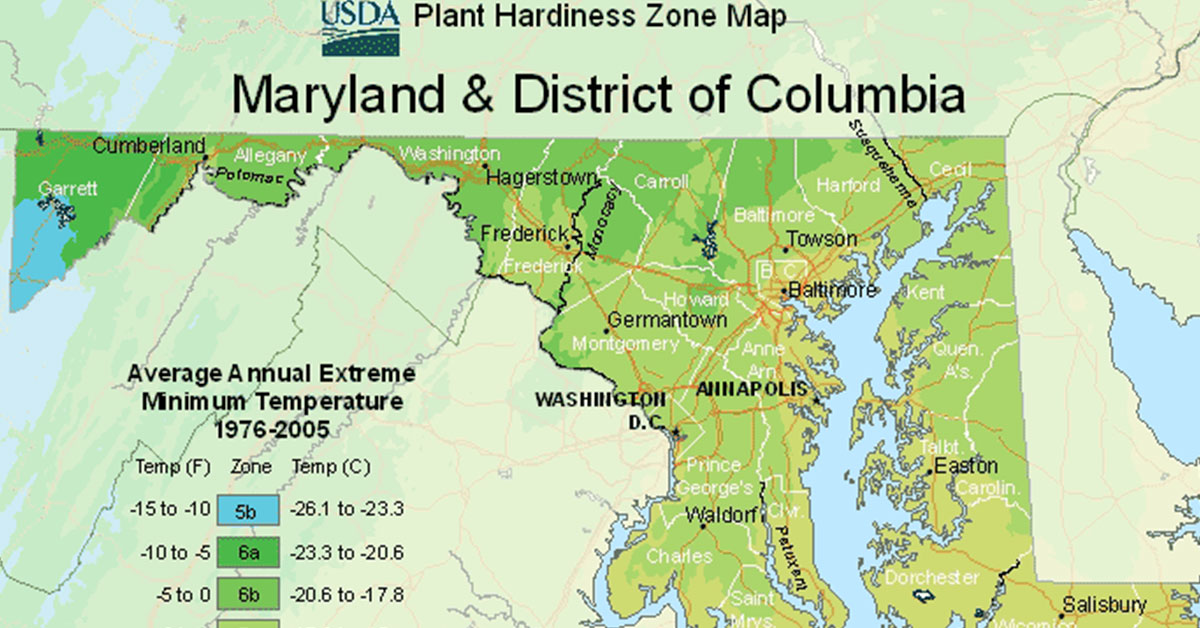

Welcome to the vibrant world of gardening in Baltimore, a city that boasts a rich horticultural heritage and a thriving gardening community. Located in the Mid-Atlantic region of the United States, Baltimore offers a unique climate that presents both opportunities and challenges for gardeners. Understanding the USDA hardiness zone for this area is crucial for successful gardening, as it provides valuable information about the types of plants that can thrive in our specific climate conditions.
In this article, we will explore the USDA hardiness zone of Baltimore, delve into the factors that influence it, and offer practical tips to help you create a flourishing garden that can withstand our local weather patterns. Whether you are a seasoned gardener or just starting out, this guide will equip you with the knowledge and tools to cultivate a beautiful and resilient garden in Baltimore.
What is Baltimore’s USDA hardiness zone?
The USDA hardiness zone is a classification system that helps gardeners and plant enthusiasts determine which plants are most likely to thrive in a specific geographic area. The system is based on the average annual minimum winter temperature of a region and is divided into 13 zones, ranging from zone 1 (coldest) to zone 13 (warmest).
Baltimore, Maryland, falls within USDA hardiness zone 7b. This means that the average annual minimum winter temperature in Baltimore ranges from 5 to 10 degrees Fahrenheit (-15 to -12 degrees Celsius). It is important to note that this is an average, and extreme weather events can occasionally cause temperatures to drop even lower. Understanding the hardiness zone is crucial for successful gardening because it helps determine which plants can withstand the local climate conditions.
Plants that are not suited to the hardiness zone may struggle to survive or even die due to the extreme temperatures. In zone 7b, gardeners in Baltimore can enjoy a relatively long growing season. The last frost typically occurs around mid-April, and the first frost occurs around mid-November. This gives gardeners ample time to cultivate a wide variety of plants, including annuals, perennials, vegetables, and fruits. Some popular plants that thrive in USDA hardiness zone 7b include:
- Perennials: Daylilies, coneflowers, black-eyed Susans, hostas, and asters.
- Annuals: Marigolds, zinnias, petunias, impatiens, and begonias.
- Vegetables: Tomatoes, peppers, cucumbers, beans, and lettuce.
- Fruits: Blueberries, strawberries, peaches, apples, and pears.
It is important to note that while the hardiness zone provides a general guideline, other factors such as soil type, sunlight exposure, and moisture levels also play a significant role in plant success. Therefore, it is always recommended to research specific plant requirements and adapt gardening practices accordingly. By understanding the USDA hardiness zone in Baltimore, gardeners can make informed decisions about plant selection, ensuring a thriving and successful garden.
When can you plant your garden in Baltimore?
In Baltimore, the ideal planting times for various plants can be determined by considering its USDA hardiness zone, which is Zone 7a. This zone indicates the average minimum winter temperature range of 0 to 5 degrees Fahrenheit (-17.8 to -15 degrees Celsius). Here are the general guidelines for planting in Baltimore:
- Spring Planting: The average last frost date in Baltimore is around mid-April. Therefore, it is generally safe to start planting frost-tolerant vegetables and annual flowers outdoors after this date. Some common examples include lettuce, peas, radishes, spinach, pansies, and snapdragons.
- Summer Planting: Baltimore’s warm summers are suitable for a wide range of plants. Warm-season vegetables like tomatoes, peppers, cucumbers, and beans can be planted after the last frost date, usually in late April or early May. Tender annual flowers such as marigolds, zinnias, and petunias can also be planted during this time.
- Fall Planting: In Baltimore, the first frost typically occurs in late October or early November. To extend the growing season, you can plant cool-season vegetables like broccoli, cabbage, carrots, and kale in late summer or early fall, around mid-August to early September. Additionally, fall is an excellent time to plant perennials, shrubs, and trees, as the cooler temperatures allow for better root establishment.
It’s important to note that these planting times are general guidelines and can vary depending on weather patterns and specific plant requirements. Always check the specific planting recommendations for each plant variety to ensure optimal success.
What grows well in Baltimore?
Baltimore falls within USDA hardiness zone 7b, which means it experiences an average annual minimum temperature range of 5 to 10 degrees Fahrenheit (-12 to -14 degrees Celsius). Here is a comprehensive list of plants that generally thrive in Baltimore’s climate:
Trees:
- Red maple (Acer rubrum)
- American beech (Fagus grandifolia)
- Eastern redbud (Cercis canadensis)
- White oak (Quercus alba)
- Sweetgum (Liquidambar styraciflua)
- Tulip tree (Liriodendron tulipifera)
- Black gum (Nyssa sylvatica)
- Dogwood (Cornus florida)
- Eastern white pine (Pinus strobus)
- Black cherry (Prunus serotina)
Shrubs:
- Azalea (Rhododendron spp.)
- Boxwood (Buxus spp.)
- Hydrangea (Hydrangea spp.)
- Forsythia (Forsythia spp.)
- Spirea (Spiraea spp.)
- Viburnum (Viburnum spp.)
- Winterberry (Ilex verticillata)
- Witch hazel (Hamamelis spp.)
- Inkberry (Ilex glabra)
- Summersweet (Clethra alnifolia)
Perennials:
- Black-eyed Susan (Rudbeckia spp.)
- Coneflower (Echinacea spp.)
- Daylily (Hemerocallis spp.)
- Hosta (Hosta spp.)
- Bee balm (Monarda spp.)
- Phlox (Phlox spp.)
- Sedum (Sedum spp.)
- Astilbe (Astilbe spp.)
- Coreopsis (Coreopsis spp.)
- Salvia (Salvia spp.)
Annuals:
- Petunia (Petunia spp.)
- Marigold (Tagetes spp.)
- Zinnia (Zinnia spp.)
- Impatiens (Impatiens spp.)
- Geranium (Pelargonium spp.)
- Begonia (Begonia spp.)
- Coleus (Solenostemon spp.)
- Snapdragons (Antirrhinum spp.)
- Cosmos (Cosmos spp.)
- Nasturtium (Tropaeolum spp.)
Vegetables and Herbs:
- Tomato (Solanum lycopersicum)
- Bell pepper (Capsicum annuum)
- Cucumber (Cucumis sativus)
- Zucchini (Cucurbita pepo)
- Basil (Ocimum basilicum)
- Rosemary (Rosmarinus officinalis)
- Thyme (Thymus spp.)
- Parsley (Petroselinum crispum)
- Chives (Allium schoenoprasum)
- Lettuce (Lactuca sativa)
Remember, while these plants generally thrive in Baltimore’s climate, it’s essential to consider specific growing conditions, such as sunlight exposure, soil type, and moisture levels, when selecting and caring for plants in your garden.
What won’t grow in Baltimore?
In Baltimore, which falls under USDA hardiness zone 7b, there are certain plants that may not thrive due to the specific climate conditions. Here are some examples:
- Tropical plants: Plants that require a consistently warm and humid climate, such as hibiscus, bougainvillea, and banana trees, may struggle in Baltimore’s cooler winters and lower humidity levels.
- Desert plants: Cacti and other succulents that thrive in arid environments may not do well in Baltimore’s more humid climate and higher rainfall.
- Cold-sensitive plants: Some plants that are not cold-hardy enough for zone 7b may struggle in Baltimore’s occasional winter frosts and colder temperatures. Examples include certain varieties of citrus trees, sensitive ferns, and tropical hibiscus.
- Alpine plants: Plants that are adapted to high-altitude or mountainous regions may not thrive in Baltimore’s lower elevation and different climate conditions. Examples include alpine flowers like edelweiss and certain types of alpine grasses.
- Coastal plants: Some plants that are adapted to coastal conditions, such as salt spray and sandy soil, may not perform as well in Baltimore’s inland location. Examples include beach grasses, sea oats, and certain coastal shrubs.
It’s important to note that while these plants may not thrive in Baltimore, there are still many other plants that are well-suited to the area’s climate and can flourish in your garden.