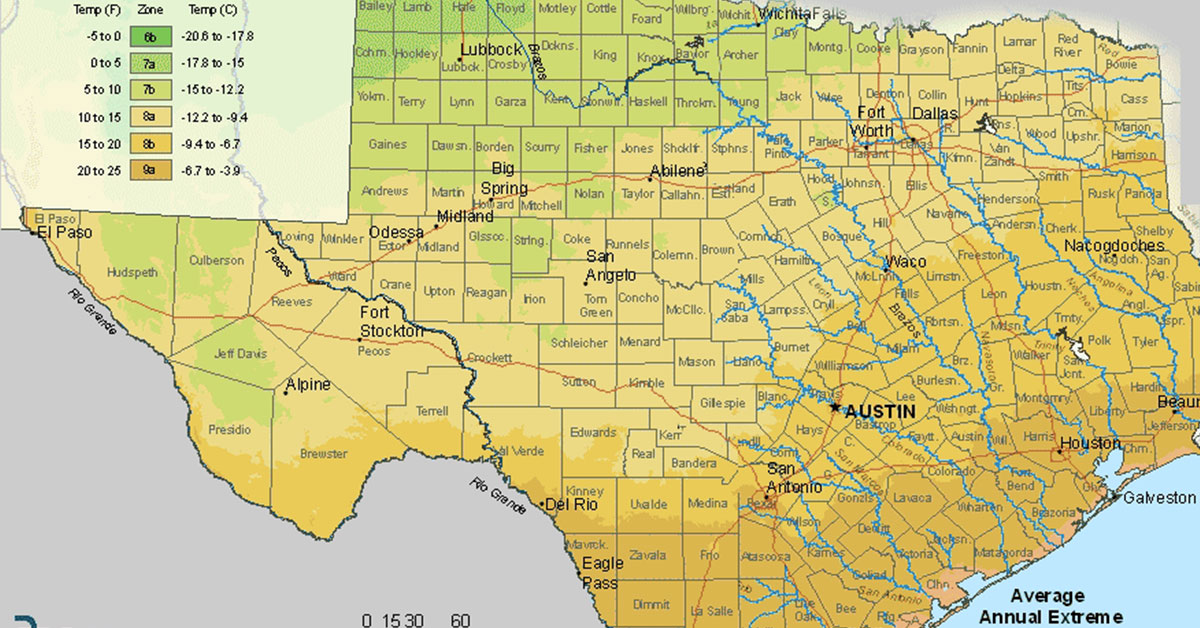

Welcome to the vibrant world of gardening in Houston, Texas! Situated in the southeastern region of the United States, Houston boasts a unique climate that presents both opportunities and challenges for plant enthusiasts. One of the key factors to consider when planning your garden in Houston is the USDA hardiness zone, which determines the types of plants that can thrive in this specific area.
Houston falls under USDA hardiness zone 9a, characterized by mild winters and long, hot summers. In this article, we will explore the significance of the USDA hardiness zone in gardening, discuss the specific conditions in Houston, and provide valuable insights and tips to help you create a flourishing garden in this dynamic city.
Whether you are a seasoned gardener or just starting out, this guide will equip you with the knowledge and tools to make your Houston garden thrive.
What is Houston’s USDA hardiness zone?
The USDA hardiness zone is a system developed by the United States Department of Agriculture to classify regions based on their average annual minimum temperatures. This classification helps gardeners and plant enthusiasts determine which plants are most likely to thrive in a particular area. Houston, Texas falls within USDA hardiness zone 9a.
This means that the average annual minimum temperature in Houston ranges from 20 to 25 degrees Fahrenheit (-6.7 to -3.9 degrees Celsius). It is important to note that this is just an average, and extreme cold snaps or heatwaves can occur outside of this range. In practical terms, the hardiness zone provides valuable information for gardeners in Houston.
It helps them select plants that are best suited to the local climate and can withstand the occasional frost or freeze. Plants that are rated for zone 9a are generally able to tolerate mild winters and thrive in the long, hot summers that Houston experiences. Some popular plants that are well-suited to Houston’s hardiness zone include:
- Native plants: Native plants are adapted to the local climate and soil conditions, making them a great choice for Houston gardens. Some examples include Gulf Coast muhly grass, Texas sage, and Mexican feather grass.
- Tropical plants: Houston’s warm climate allows for the successful cultivation of many tropical plants. Consider adding hibiscus, bougainvillea, or plumeria to your garden for vibrant colors and lush foliage.
- Heat-tolerant vegetables: Vegetables that can withstand the heat of Houston’s summers include okra, peppers, sweet potatoes, and southern peas. These crops thrive in the long, hot growing season.
- Drought-tolerant plants: Houston can experience periods of drought, so selecting plants that are adapted to dry conditions is important. Some examples include agave, yucca, lantana, and rosemary.
It’s worth noting that while the hardiness zone provides a useful starting point, other factors such as soil type, sun exposure, and humidity levels also play a significant role in plant success. It’s always a good idea to consult with local nurseries or gardening experts for specific recommendations tailored to your garden’s unique conditions.
When can you plant your garden in Houston?
In Houston, the ideal planting times can vary depending on the specific plant and its hardiness zone. Houston falls under USDA hardiness zone 9a, which means it experiences mild winters and hot, humid summers. Here are some general guidelines for planting in Houston:
- Spring Planting: Spring is an excellent time to start planting in Houston. As the temperatures start to warm up, it is safe to plant most annuals, vegetables, and herbs. Some popular choices for spring planting include tomatoes, peppers, beans, cucumbers, zucchini, basil, and marigolds.
- Fall Planting: Fall is another favorable planting season in Houston. The cooler temperatures make it ideal for establishing plants before the winter arrives. Vegetables like broccoli, cabbage, carrots, lettuce, and spinach can be planted in the fall. Additionally, fall is a great time to plant trees, shrubs, and perennials as they have time to establish their root systems before the heat of summer.
- Winter Planting: While winters in Houston are relatively mild, it is still possible to plant certain cold-tolerant vegetables and flowers. Plants like kale, collard greens, Swiss chard, and snapdragons can be planted in late fall or early winter for a winter harvest or bloom.
It’s important to note that these are general guidelines, and it’s always best to consider the specific requirements of each plant. Some plants may have specific planting windows or may require protection from extreme temperatures. Additionally, it’s crucial to monitor weather conditions and adjust planting times accordingly.
What grows well in Houston?
Houston falls within USDA hardiness zone 9a, which means it has mild winters with average minimum temperatures ranging from 20 to 25 degrees Fahrenheit (-6.7 to -3.9 degrees Celsius). Here is a comprehensive list of plants that generally thrive in Houston’s climate:
Annuals:
- Marigolds (Tagetes)
- Zinnias (Zinnia)
- Petunias (Petunia)
- Impatiens (Impatiens walleriana)
- Sunflowers (Helianthus)
- Cosmos (Cosmos bipinnatus)
- Portulaca (Portulaca grandiflora)
- Coleus (Plectranthus scutellarioides)
- Begonias (Begonia)
Perennials:
- Lantana (Lantana camara)
- Salvia (Salvia spp.)
- Black-eyed Susan (Rudbeckia)
- Coneflowers (Echinacea)
- Daylilies (Hemerocallis)
- Mexican Bush Sage (Salvia leucantha)
- Purple Heart (Setcreasea pallida)
- Society Garlic (Tulbaghia violacea)
- Turk’s Cap (Malvaviscus arboreus)
Shrubs:
- Indian Hawthorn (Rhaphiolepis indica)
- Dwarf Yaupon Holly (Ilex vomitoria ‘Nana’)
- Texas Sage (Leucophyllum frutescens)
- Dwarf Burford Holly (Ilex cornuta ‘Burfordii Nana’)
- Oleander (Nerium oleander)
- Bottlebrush (Callistemon spp.)
- Firebush (Hamelia patens)
- Rosemary (Rosmarinus officinalis)
- Esperanza (Tecoma stans)
Trees:
- Live Oak (Quercus virginiana)
- Southern Magnolia (Magnolia grandiflora)
- Crape Myrtle (Lagerstroemia indica)
- Mexican Sycamore (Platanus mexicana)
- Bald Cypress (Taxodium distichum)
- Chinese Pistache (Pistacia chinensis)
- Texas Redbud (Cercis canadensis var. texensis)
- Cedar Elm (Ulmus crassifolia)
- Pecan (Carya illinoinensis)
Vines:
- Carolina Jessamine (Gelsemium sempervirens)
- Coral Honeysuckle (Lonicera sempervirens)
- Crossvine (Bignonia capreolata)
- Confederate Jasmine (Trachelospermum jasminoides)
- Passionflower (Passiflora incarnata)
- Trumpet Vine (Campsis radicans)
- Wisteria (Wisteria spp.)
Remember to consider factors such as sun exposure, soil type, and water requirements when selecting plants for your specific garden. Additionally, it’s always a good idea to consult with local nurseries or gardening experts for personalized advice.
What won’t grow in Houston?
In Houston, which falls under USDA hardiness zone 9a, there are certain plants that may struggle to thrive due to the region’s hot and humid climate. Here are some examples:
- Lilacs (Syringa spp.): Lilacs require a period of winter dormancy and cooler temperatures, which are not typically found in Houston’s climate.
- Blueberries (Vaccinium spp.): Blueberries prefer acidic soil and cooler temperatures, making them challenging to grow in Houston’s alkaline soil and hot climate.
- Peonies (Paeonia spp.): Peonies require a period of winter dormancy and a cold chill to bloom properly, which is not typically provided in Houston’s climate.
- Rhododendrons (Rhododendron spp.): Rhododendrons prefer cooler temperatures and more acidic soil conditions than what Houston offers.
- Hydrangeas (Hydrangea spp.): While some varieties of hydrangeas can grow in Houston, they may struggle due to the intense heat and humidity. Selecting heat-tolerant varieties is recommended.
- Tulips (Tulipa spp.): Tulips require a period of winter dormancy and colder temperatures, which are not typically found in Houston’s climate.
- Lilium (Lilies): Many lily varieties struggle in Houston’s heat and humidity, although some heat-tolerant varieties like Crinum lilies can be successful.
It’s important to note that while these plants may not thrive in Houston’s climate, it doesn’t mean they are impossible to grow. With careful selection, soil amendments, and proper care, it may be possible to grow these plants successfully in Houston.
Meta Description
Discover the secrets of Houston’s hardiness zones and unlock the perfect plants for your garden. Explore our expert tips for thriving greenery!