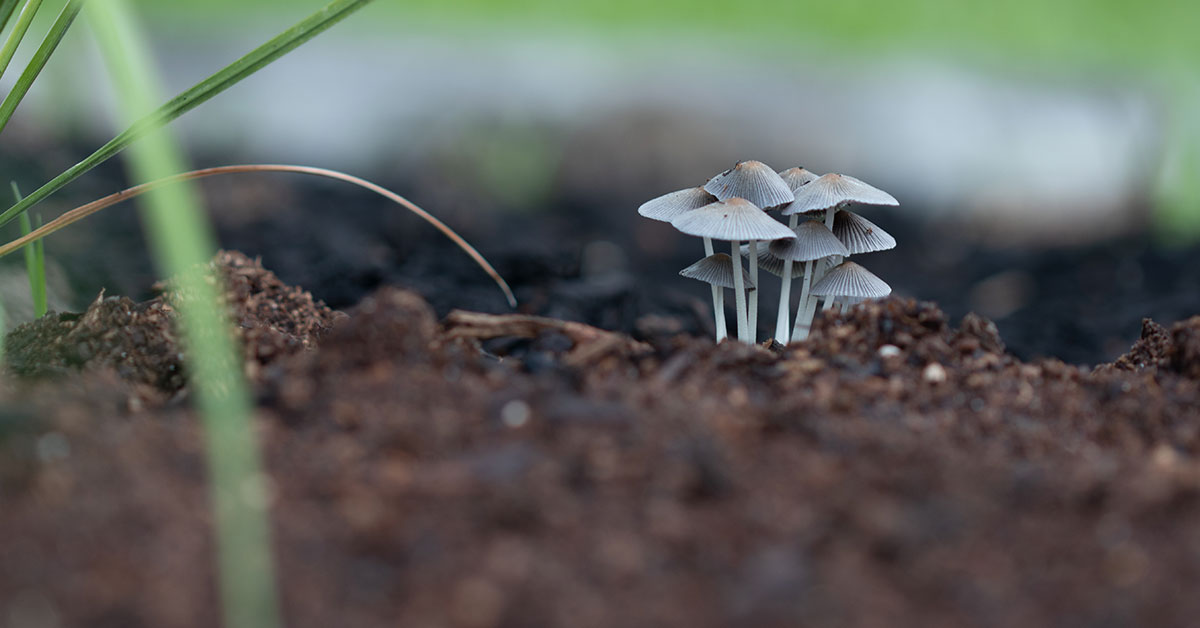

Mushrooms can be a common and unwelcome sight in flower beds, often popping up overnight and disrupting the overall aesthetic appeal of the garden. Not only do they detract from the beauty of your carefully cultivated flowers, but some species of mushrooms can also pose a risk to the health of your plants. However, fret not! With a few simple steps and proactive measures, you can successfully get rid of mushrooms in a flower bed and restore their splendor.
In this article, we will explore various methods and techniques to effectively eliminate mushrooms, as well as discuss preventive measures to keep them from returning in the future. So, let’s dive in and reclaim your flower bed from these pesky fungi!
How to get rid of mushrooms in a flower bed
To get rid of mushrooms in a flower bed, here are a few steps you can follow:
- Remove any visible mushrooms manually: Use gloves to pick and remove the visible mushrooms from the flower bed. Be sure to dispose of them properly to prevent spreading their spores.
- Improve drainage: Mushrooms thrive in damp conditions, so improving the drainage in the flower bed can help discourage their growth. Ensure that the bed is properly sloped to allow water to drain away and avoid overwatering the flowers.
- Reduce organic matter: Mushrooms feed on decaying organic matter, so reducing the amount of organic material in the flower bed can help eliminate their food source. Regularly remove fallen leaves, dead plant material, and any other organic debris from the bed.
- Increase sunlight and airflow: Mushrooms prefer shady and humid conditions. Trimming back overhanging branches or nearby foliage can increase sunlight and improve airflow, making it less favorable for mushrooms to grow.
- Avoid excessive watering: Overwatering can contribute to the growth of mushrooms. Water your flowers only when necessary and try to keep the soil slightly dry between waterings.
- Adjust soil pH: Some mushrooms prefer acidic soil, so adjusting the pH may help deter their growth. Test the soil pH and, if necessary, add lime or sulfur to bring it closer to neutral.
- Apply fungicide: If the mushroom problem persists, you can consider using a fungicide specifically designed to control mushrooms. Follow the instructions on the product carefully and apply it to the affected areas of the flower bed.
Remember, mushrooms are generally harmless to plants, so you may choose to simply tolerate their presence if they do not pose any issues. However, if you have pets or young children who may accidentally ingest them, it’s important to remove them promptly.
Why get rid of mushrooms in a flower bed?
There are a few reasons why you may want to get rid of mushrooms in a flower bed:
- Aesthetics: Mushrooms can be unsightly and may disrupt the overall appearance of your flower bed, especially if you have put effort into maintaining a particular visual design.
- Competition for nutrients: Mushrooms are fungi that feed on decaying organic matter, including the organic material in your flower bed. If left unchecked, they may compete with your flowers for nutrients, water, and other resources, potentially impacting their growth.
- Safety concerns: While most mushrooms are harmless, some species can be toxic if ingested. If you have children or pets who may accidentally come into contact with the mushrooms, it is best to remove them to prevent any potential health risks.
Remember, mushrooms are often beneficial to the ecosystem as they aid in breaking down organic matter. If the presence of mushrooms is not causing harm or aesthetic concerns, it may be best to leave them be.
Problems with getting rid of mushrooms in a flower bed
There are several potential problems when trying to get rid of mushrooms in a flower bed. Here are a few:
- Ineffective methods: Using ineffective methods or products may not effectively eliminate the mushrooms. This can lead to frustration and the mushrooms may continue to grow.
- Temporary solution: Some methods may only provide a temporary solution, and the mushrooms may reappear after a short period. This is because mushrooms often grow from underground mycelium, which can remain present even after visible mushrooms are removed.
- Environmental impact: Certain chemical fungicides or harsh cleaning agents may be harmful to the environment, including plants, beneficial insects, and soil organisms. It’s important to consider the impact of any chemicals used and opt for more eco-friendly alternatives whenever possible.
- Underlying issues: Mushrooms often thrive in moist and shaded areas, indicating underlying issues such as poor drainage, overwatering, or excessive organic matter in the soil. Simply removing the mushrooms without addressing these underlying issues might lead to their recurrence.
- Spore dispersal: Mushrooms release spores, which can spread and lead to the growth of new mushrooms. It’s important to handle mushrooms carefully to avoid unintentional spore dispersal and the potential for more mushrooms to develop.
When dealing with mushrooms in a flower bed, it’s best to adopt a holistic approach. This includes improving soil drainage, reducing moisture levels, adjusting watering practices, removing decaying organic matter, and considering natural remedies such as increasing sunlight exposure or using organic fungicides derived from neem oil or vinegar.
Other considerations
When trying to get rid of mushrooms in a flower bed, there are a few other considerations to keep in mind:
- Moisture control: Mushrooms thrive in damp and moist environments. Ensure that your flower bed has proper drainage and avoid overwatering. Consider removing any objects or materials that may retain moisture, such as wet mulch or decaying plant matter.
- Organic matter removal: Mushrooms feed on organic matter, such as dead roots, wood chips, or decaying leaves. Regularly clean up any fallen leaves or debris in the flower bed to prevent the accumulation of organic matter that can support mushroom growth.
- Soil aeration: Mushrooms often grow in compacted soil. To discourage their growth, regularly aerate the soil using a garden fork or aerating tool. This will improve drainage and reduce the conditions that favor mushroom development.
- Sunlight exposure: Mushrooms prefer shady and dark areas. Prune nearby trees or shrubs to increase sunlight exposure to the flower bed. This will reduce the chances of mushroom growth and promote a healthier environment for your flowers.
- Fungicide treatment: If the mushroom problem persists, consider using a fungicide specifically formulated to control mushrooms. Follow the instructions on the product carefully and apply it as directed. However, keep in mind that fungicides may also affect beneficial organisms in the soil, so use them sparingly and as a last resort.
Remember, mushrooms are generally harmless to plants and can even be beneficial to soil health. However, if their presence becomes unsightly or causes concern, these considerations can help manage their growth in your flower bed.