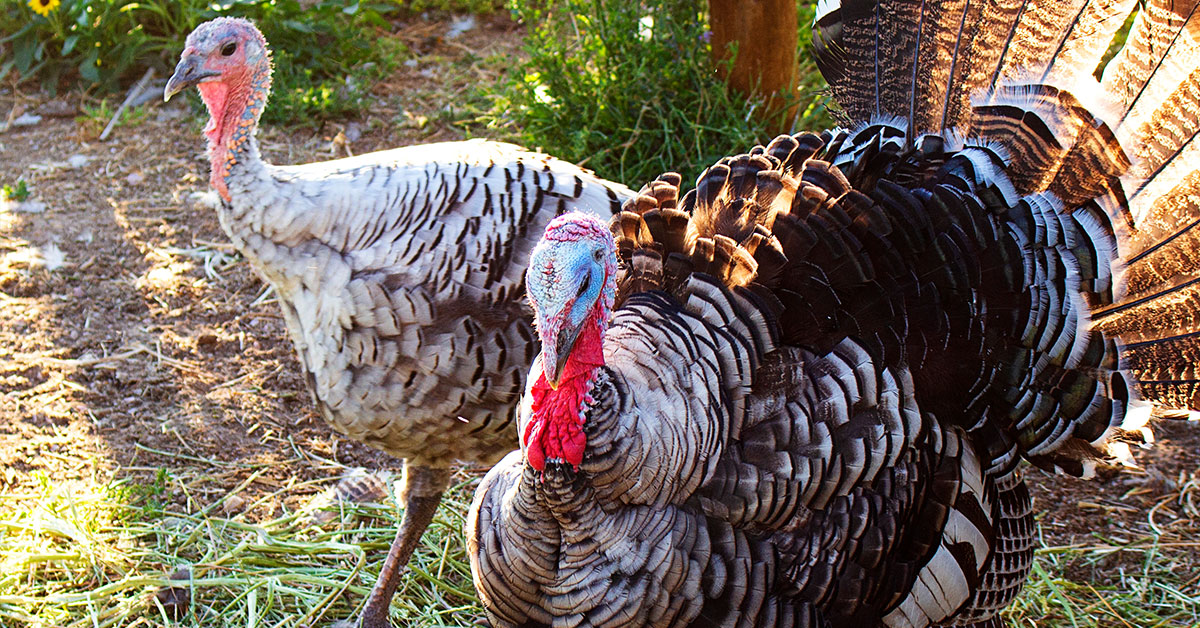

Wild turkeys can be a majestic and fascinating sight in nature, but they can also become a nuisance when they start causing damage to property or becoming aggressive towards humans. Whether you’re a homeowner dealing with a flock of turkeys invading your yard or a farmer or gardener trying to protect your crops, knowing how to effectively get rid of wild turkeys is essential.
In this article, we will explore various humane and effective methods to deter and remove wild turkeys, allowing you to regain control of your property while ensuring the safety and well-being of both yourself and the turkeys. From understanding their behavior to implementing preventative measures, we will cover a range of strategies that can help you successfully manage and mitigate wild turkey conflicts.
How to how to get rid of wild turkeys
If you are looking to deter or remove wild turkeys from your property, here are a few suggestions:
- Remove food sources: Turkeys are attracted to easily accessible food sources like bird feeders, fallen fruits, or spilled grains. Clean up any spilled birdseed or fruits in your yard to discourage them from coming.
- Use scare tactics: Install scare devices such as scarecrows, reflective tape, or shiny objects like aluminum foil to create visual deterrents. Turkeys are wary of unfamiliar objects and may avoid areas where they perceive a threat.
- Make noise: Loud noises can startle turkeys and make them uncomfortable. Use devices like airhorns, whistles, or even banging pots and pans together to scare them away. However, be mindful of local noise ordinances and considerate towards your neighbors.
- Limit access: If possible, fence off areas where turkeys frequently visit. Solid fences at least 6 feet tall can prevent them from entering. Alternatively, electric fences can also be effective in keeping them away.
- Utilize repellents: There are commercially available repellents designed to deter wild turkeys. These repellents usually contain ingredients like methyl anthranilate, which produces a taste and smell that turkeys find unpleasant. Follow the instructions carefully when using repellents.
- Seek professional help: If the turkeys pose a persistent problem or none of the above methods work, consider contacting local wildlife authorities or pest control professionals who specialize in wildlife removal. They can provide you with guidance and assistance.
Remember, wild turkeys are protected in many areas and it is important to check local regulations before taking any action.
Why get rid of wild turkeys?
While wild turkeys can be a beautiful sight in nature, there are instances where they may become a nuisance or pose a threat. Here are a few reasons why someone might want to know how to get rid of wild turkeys:
- Crop damage: Wild turkeys can cause significant damage to crops, especially in agricultural areas. They may feed on newly planted seeds, young plants, or ripe fruits, leading to financial losses for farmers.
- Property damage: Turkeys can scratch and peck at property surfaces, including vehicles, windows, and roofs. This behavior can result in unsightly damage or costly repairs.
- Safety concerns: Large flocks of turkeys can be a safety hazard, particularly in urban or suburban areas. They may block roads, cause accidents, or harass pedestrians. In rare cases, aggressive turkeys may attack humans, especially during mating or nesting season.
- Health risks: Wild turkeys can carry diseases and parasites that can be transmitted to humans, pets, or livestock. It’s crucial to minimize the risk of exposure to these potential health threats.
It’s important to note that in some areas, wild turkeys are protected by law, so it’s essential to check local regulations before taking any action to manage or remove them. In cases where control measures are allowed, it is advisable to contact local wildlife or agricultural authorities for guidance on the most appropriate and humane methods to address the issue.
Problems with getting rid of wild turkeys
When considering how to get rid of wild turkeys, it’s important to be aware of potential problems that may arise. Here are a few:
- Legal restrictions: It’s crucial to familiarize yourself with local laws and regulations regarding the removal or hunting of wild turkeys. In many areas, permits or licenses may be required, and specific hunting seasons and methods may apply.
- Safety concerns: Attempting to remove wild turkeys can pose safety risks. Turkeys can become aggressive when threatened or cornered, and their sharp beaks and talons can cause injury. It’s important to prioritize personal safety and consider consulting with professionals if needed.
- Environmental impact: Wild turkeys play a role in the ecosystem, and removing them can have unintended consequences. They help control insect populations, disperse seeds, and contribute to nutrient recycling. Removing them completely may disrupt the ecological balance.
- Temporary effectiveness: Removing wild turkeys from an area is often a temporary solution. If the underlying causes that attract turkeys, such as a readily available food source or suitable habitat, are not addressed, new turkeys may quickly replace the ones removed.
- Ethical considerations: Some people may have ethical concerns about removing or hunting wild turkeys. These birds are native wildlife and have a right to exist in their natural habitats. It’s important to consider alternatives that promote coexistence or seek professional advice in addressing conflicts.
In any case, it’s recommended to reach out to local wildlife agencies, animal control departments, or wildlife management professionals who can provide guidance tailored to your specific situation.
Other considerations
When considering how to get rid of wild turkeys, it’s important to keep in mind several factors:
- Legal regulations: Check with your local wildlife agency to understand the regulations regarding the removal of wild turkeys. Some areas may have specific guidelines or permits required.
- Non-lethal methods: Before resorting to lethal methods, consider non-lethal techniques. These may include using scare devices, visual deterrents (such as reflective objects or predator decoys), noise makers, or motion-activated sprinklers. These methods can help discourage turkeys from frequenting your property.
- Habitat modification: Wild turkeys are attracted to areas with suitable food sources, so modifying the habitat can help. Limiting or removing food sources like bird feeders or fallen fruits can discourage them from congregating in your area.
- Fencing: Installing physical barriers, such as fences or netting, can be an effective way to keep turkeys out of specific areas. Ensure the fence is at least 6 feet tall and buried at least 6 inches into the ground to prevent them from digging under it.
- Scaring techniques: Turkeys can become habituated to scare devices, so it’s important to change them regularly. Consider using a combination of different scare tactics, like loud noises, predator calls, or even trained dogs, to make the area less attractive to turkeys.
- Professional assistance: If the turkey problem persists or becomes unmanageable, it may be necessary to seek help from a professional wildlife management service. They can assess the situation and provide appropriate solutions.
Remember, wild turkeys have an important role in the ecosystem, so it’s essential to approach their removal with care and within the bounds of local regulations.