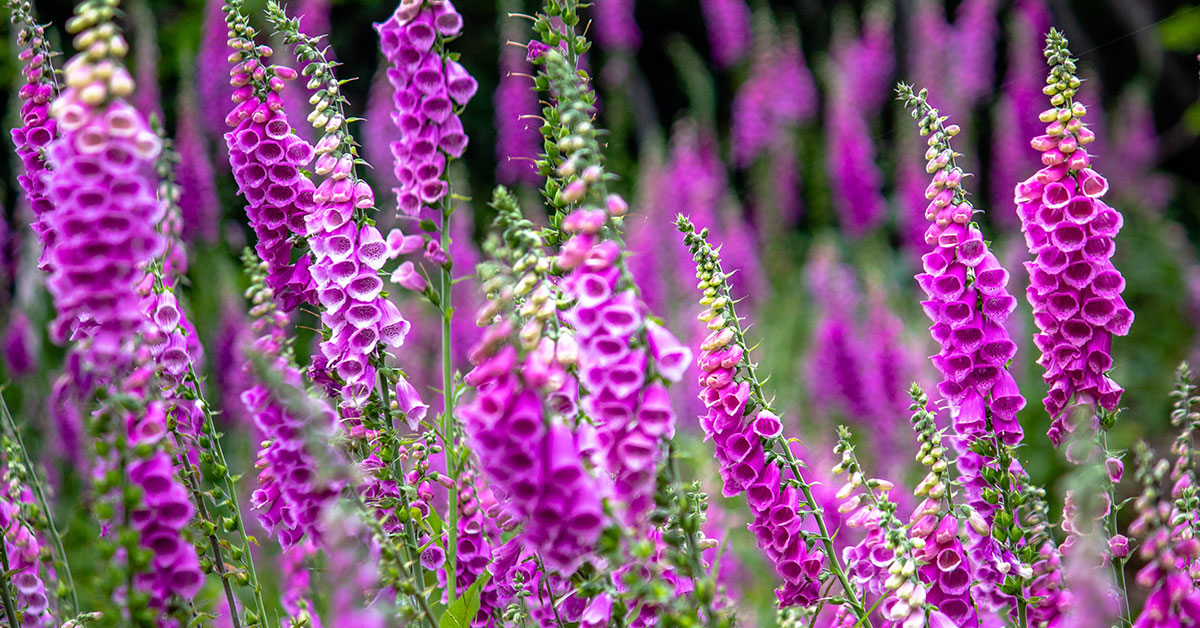

Foxgloves, with their towering stalks adorned with delicate, bell-shaped flowers, are a cherished addition to any garden. Their vibrant colors and elegant presence make them a favorite amongst garden enthusiasts in the United Kingdom. However, for these enchanting blooms to thrive and dazzle with their beauty, it is crucial to plant them at the right time. In this article, we will explore the best time to plant foxgloves in the UK, taking into consideration the climate, soil conditions, and other factors that contribute to their flourishing presence in British gardens.
Whether you are a seasoned gardener or a beginner, understanding the optimal planting time for foxgloves will help you create a breathtaking display that will be the envy of your neighborhood.
Best varieties of foxglove to grow in the UK
In the UK, there are several beautiful varieties of foxgloves (Digitalis) that are popular among gardeners. Here are some of the recommended varieties:
- Digitalis purpurea: This is the most common and widely available variety. It features tall spikes of bell-shaped flowers in shades of pink, purple, and occasionally white. It self-seeds readily, creating a naturalized look in the garden.
- Digitalis ‘Dalmatian’: This series of foxgloves includes compact varieties with sturdy stems and large, tubular flowers. Available in various colors such as purple, white, and cream, they are well-suited for smaller gardens or containers.
- Digitalis ‘Illumination’: These hybrids produce stunning flowers in shades of apricot, pink, and cream. They have a compact habit and bloom profusely throughout the summer. ‘Illumination’ foxgloves are often grown as biennials or short-lived perennials.
- Digitalis ‘Pam’s Split’: This unique variety has double flowers that resemble roses. Its blooms come in shades of pale pink and are sure to add a touch of elegance to your garden.
- Digitalis grandiflora: Unlike the common foxglove, this perennial variety offers yellow flowers on upright stems. It is a long-lived plant that forms clumps and is a great option for adding a splash of vibrant color to your garden borders.
- Digitalis lutea: Another perennial foxglove, this variety features small, pale yellow flowers. It has a more delicate appearance and is well-suited for cottage gardens or naturalistic planting schemes.
These varieties offer a range of colors, sizes, and growth habits, allowing you to create a diverse and beautiful foxglove display in your UK garden. Remember to check the specific growing requirements for each variety to ensure they are suitable for your particular garden conditions.
When to plant foxgloves in the UK
In the United Kingdom, the Royal Horticultural Society (RHS) has established a system of hardiness zones to help gardeners determine which plants are best suited for their specific region. The zones are categorized based on the average annual minimum temperature and provide valuable information when planning a garden and selecting appropriate plants.
The UK hardiness zones range from 9a in the mildest areas of the southwest, to 3b in the coldest parts of Scotland. Generally, the southern coastal regions tend to have milder winters, while inland and northern areas experience colder temperatures and harsher conditions.
Foxgloves (Digitalis purpurea) are well-suited to the UK climate and are popular biennial plants known for their tall spikes of bell-shaped flowers. They grow best in cool, temperate regions and can tolerate a wide range of conditions. In terms of hardiness, foxgloves are generally classified as zone 4-8, indicating their adaptability to various UK regions.
The best time to plant foxgloves in the UK is typically in late spring or early summer. It is advisable to start the seeds indoors in late winter or early spring, around February or March, to give them a head start before transplanting outdoors. Foxgloves are known to have a higher germination rate when exposed to cold temperatures, so it is recommended to provide them with a period of cold stratification before sowing.
Once the seedlings have grown a few inches tall and the risk of frost has passed, usually around May or early June, they can be transplanted into their final location in the garden. Foxgloves prefer partial shade to full sun, with moist, well-draining soil. They can be planted in flower beds, borders, or woodland gardens, adding height and a touch of elegance to the landscape.
It’s important to note that while foxgloves are biennial, they often self-seed, meaning they will set seeds that can germinate and continue the plant’s life cycle in subsequent years. This can create a naturalized effect in the garden, providing more foxgloves in the following seasons.
Remember to monitor the soil moisture and provide adequate watering during dry spells, especially during the first year when the plants are establishing their root systems. Mulching around the base of the plants can help conserve moisture and suppress weed growth.
By following these guidelines and considering the UK hardiness zones, you can confidently plant foxgloves in your garden at the appropriate time, ensuring their successful growth and enchanting displays of vibrant flowers in the years to come.
Other considerations
When growing foxgloves (Digitalis purpurea) in the UK, there are several other considerations to keep in mind:
- Soil: Foxgloves prefer well-drained soil that is rich in organic matter. They thrive in slightly acidic to neutral soil pH levels. If your soil is heavy clay, consider adding organic matter, such as compost or well-rotted manure, to improve drainage.
- Sunlight: Foxgloves prefer partial shade to full sun. In the UK, they generally do well in areas with dappled sunlight or morning sun with afternoon shade. However, they can tolerate more shade if needed.
- Watering: Foxgloves require regular watering, especially during dry periods. Keep the soil moist but not waterlogged, as excessive moisture can cause root rot. Mulching around the plants can help retain moisture and suppress weed growth.
- Pruning: Deadheading spent flower spikes can encourage the plant to produce more blooms. Additionally, removing any yellowing or diseased leaves can help maintain the overall health and appearance of the plant.
- Support: Foxgloves can grow quite tall and may require support to prevent them from toppling over in windy conditions. Install stakes or use plant supports to keep the stems upright.
- Pests and diseases: Keep an eye out for common pests like aphids and slugs, as they can damage the foliage and flowers. Regularly inspect your plants for signs of diseases such as powdery mildew or rust, and treat them accordingly if necessary.
- Biennial nature: Foxgloves are biennial plants, meaning they have a two-year life cycle. They typically produce foliage in the first year, and then flower and set seeds in the second year before dying. To ensure a continuous display, it’s recommended to sow new seeds or plant new seedlings every year.
- Wildlife attraction: Foxgloves are known to attract bees and other pollinators, making them valuable for supporting biodiversity in your garden. However, it’s important to note that all parts of the plant, including the flowers, leaves, and seeds, are toxic if ingested. Take precautions if you have children or pets that may come into contact with the plant.
By considering these factors, you can successfully grow and enjoy the beautiful foxgloves in your UK garden.