
Welcome to our comprehensive guide on how to deadhead balloon flowers! If you’re a gardening enthusiast looking to enhance the beauty and longevity of your balloon flowers, you’ve come to the right place. Deadheading, the process of removing spent blooms, is a simple yet crucial technique that not only promotes the overall health of your plants but also encourages continuous blooming throughout the season.
In this article, we will delve into the specifics of deadheading balloon flowers, including when and how to do it effectively. Whether you’re a seasoned gardener or just starting out, by the end of this guide, you’ll have all the knowledge and confidence needed to keep your balloon flowers looking stunning and vibrant all summer long. So, let’s get started and unlock the secrets to successful deadheading!
Should you deadhead balloon flowers?
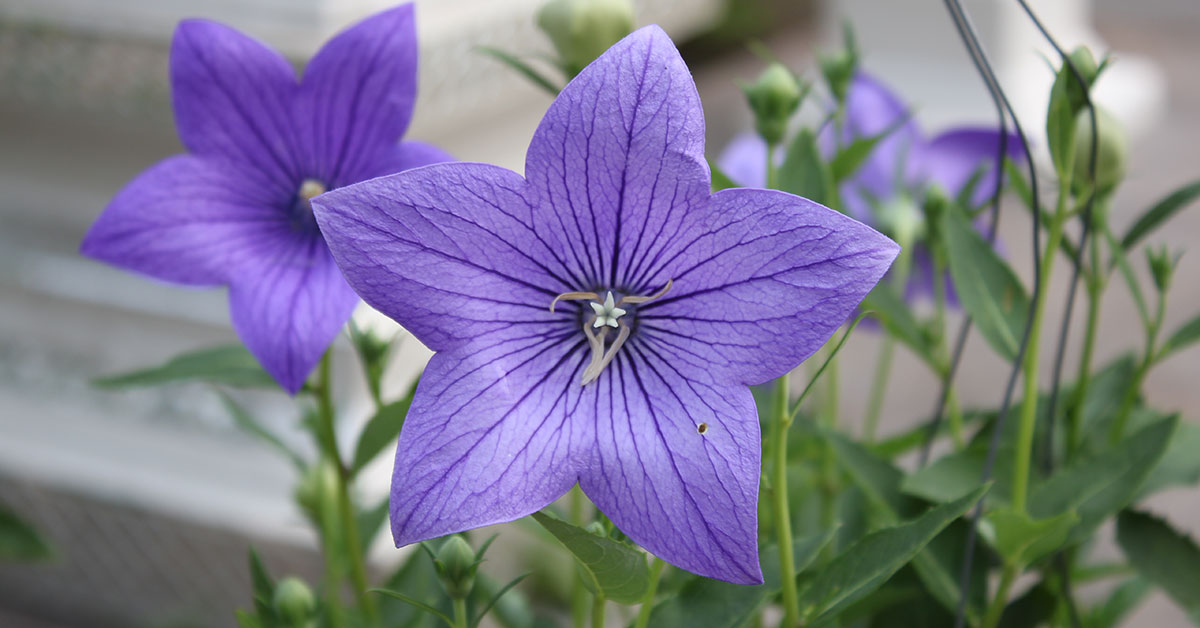
Balloon flowers, scientifically known as Platycodon grandiflorus, are beautiful perennial plants known for their unique balloon-shaped flower buds that open into stunning star-shaped blooms. Deadheading refers to the practice of removing spent flowers from plants, and it can have various effects depending on the specific plant species. In the case of balloon flowers, deadheading is generally recommended for several reasons:
- Prolonged blooming period: Deadheading balloon flowers encourages the plant to produce more blooms throughout the growing season. By removing faded flowers, you prevent the plant from diverting energy into seed production and instead redirect that energy towards producing new buds and flowers. This results in a longer-lasting and more abundant display of blooms.
- Aesthetics: Removing spent flowers improves the overall appearance of the plant. Balloon flowers have a neat and tidy growth habit, and deadheading helps maintain their attractive appearance. The removal of withered flowers prevents the plant from looking unkempt and promotes a more visually appealing garden.
- Preventing self-seeding: Balloon flowers are capable of self-seeding, meaning they can produce seeds that will germinate and grow new plants. While this can be desirable in some cases, it can also lead to overcrowding and competition among plants. Deadheading prevents the formation and dispersal of seeds, reducing the risk of unwanted self-seeding and maintaining better control over the plant’s growth.
Here’s how to deadhead balloon flowers effectively:
- Wait until the flowers have completely faded and started to wither. This is usually indicated by a change in color and the petals becoming dry and papery.
- Locate the base of the flower stem, where it connects to the main stem of the plant.
- Using sharp pruning shears or scissors, make a clean cut just above a set of healthy leaves or buds. Ensure that you don’t damage any emerging buds or new growth.
- Remove all the faded flowers from the plant, working your way through the entire plant if necessary.
- Dispose of the removed flowers properly, either by composting or discarding them in the appropriate waste bin.
It’s important to note that while deadheading balloon flowers is generally recommended, it is not mandatory. If you prefer a more natural look or want to allow the plant to self-seed, you can choose to leave the faded flowers on the plant. However, keep in mind that this may result in a shorter blooming period and potentially more crowded growth. Overall, deadheading balloon flowers can help maintain their appearance, promote prolonged blooming, and prevent excessive self-seeding. It’s a simple and rewarding task that can enhance the beauty of your garden.
When to deadhead balloon flowers
The best timing to deadhead balloon flowers (Platycodon grandiflorus) is after the first flush of blooms has faded. Deadheading is the process of removing spent flowers to encourage the plant to produce more blooms and maintain a tidy appearance.
Balloon flowers typically bloom in mid to late summer, and their flowers can last for several weeks. Once the initial flowers have withered and started to dry out, it’s time to deadhead them. This is usually around late summer or early fall, depending on your specific climate and growing conditions.
To deadhead balloon flowers, follow these steps:
- Inspect the plant: Look for flowers that have completely faded and started to dry out. These flowers will have lost their vibrant color and may be drooping or shriveled.
- Locate the stem: Follow the stem of the faded flower down to where it meets the main stem of the plant. This is where you will make your cut.
- Make the cut: Using clean and sharp pruning shears or scissors, cut the stem just above a set of healthy leaves or lateral bud. Make the cut at a slight angle to prevent water from pooling on the cut surface.
- Dispose of the dead flowers: Collect the dead flowers and discard them in a compost bin or dispose of them in a green waste bin. This helps prevent the spread of diseases and pests.
By deadheading balloon flowers, you are encouraging the plant to redirect its energy towards producing new blooms rather than setting seeds. This can result in a longer blooming period and a more attractive plant overall. Remember to provide adequate water and fertilizer to support the plant’s growth and blooming potential.
How to deadhead balloon flowers
Deadheading balloon flowers is an essential task to promote continuous blooming and maintain the overall health and appearance of the plant. Here is a detailed step-by-step guide on how to deadhead balloon flowers:
- Timing: The ideal time to deadhead balloon flowers is when the blooms start to fade and wither. This is usually after the flowers have fully bloomed and the petals begin to lose their color.
- Prepare your tools: Before you start deadheading, gather the necessary tools such as a pair of sharp pruning shears or scissors, a clean container for collecting the dead flowers, and gloves if desired.
- Identify spent blooms: Look for the flowers that have started to fade and wilt. These are the ones that need to be removed to encourage new growth and more blooms.
- Locate the stem: Follow the stem of the spent flower down to where it meets the main stem or a leaf node. This is where you will make the cut.
- Positioning: Hold the stem of the spent flower gently but firmly between your fingers, ensuring you have a good grip to avoid damaging the plant.
- Cut the stem: Using your pruning shears or scissors, make a clean cut just above the leaf node or where the stem meets the main stem. It is important to cut at an angle to prevent water from pooling on the cut surface, which can lead to disease or rot.
- Collect the dead flowers: After each cut, place the dead flowers in your container to keep the garden tidy and prevent any potential spread of diseases or pests.
- Repeat the process: Continue deadheading all the spent blooms on the balloon flower plant, working your way around the entire plant. Be sure to remove all the faded flowers to encourage new growth.
- Dispose of the dead flowers: Once you have finished deadheading, dispose of the collected dead flowers in a compost bin or discard them in a green waste bin if available.
- Water and fertilize: After deadheading, give your balloon flowers a thorough watering to help them recover from the stress of the pruning. Additionally, consider applying a balanced fertilizer to provide the necessary nutrients for new growth and future blooms.
By following these steps, you can effectively deadhead your balloon flowers and promote a healthier, more vibrant plant that will continue to produce beautiful blooms throughout the growing season.
Aftercare
After deadheading balloon flowers, it is important to follow these detailed care guidelines:
- Timing: Deadheading should be done immediately after the flowers have faded and started to wither. This allows the plant to conserve energy and redirect it towards new growth and flower production.
- Tools: Use a pair of clean and sharp pruning shears or scissors to remove the faded flowers. Make sure to disinfect the tools before and after use to prevent the spread of diseases.
- Technique: Locate the faded flower stem just above a set of healthy leaves or lateral bud. Position the pruning shears or scissors at a 45-degree angle and make a clean cut, removing the entire flower stem.
- Removal: Collect the deadheaded flowers and dispose of them properly. Do not leave them on the ground near the plant, as they can attract pests and diseases.
- Watering: After deadheading, water the balloon flowers thoroughly to provide moisture and nutrients to the plant. This helps in promoting new growth and flower production.
- Fertilization: Apply a balanced, slow-release fertilizer around the base of the plant according to the package instructions. This will provide the necessary nutrients for healthy growth and blooming.
- Mulching: Apply a layer of organic mulch, such as wood chips or shredded bark, around the base of the plant. Mulching helps retain moisture, suppresses weed growth, and maintains a more stable soil temperature.
- Regular Maintenance: Continue to monitor the plant for any signs of pests, diseases, or nutrient deficiencies. Remove any damaged or diseased foliage promptly to prevent the spread of problems.
- Pruning: If the balloon flower becomes leggy or overgrown, consider pruning it back by cutting the stems to about half their height. This will encourage bushier growth and more compact flowering.
- Repeat Deadheading: As the balloon flowers continue to bloom throughout the season, repeat the deadheading process regularly to encourage continuous flowering and maintain a neat appearance.
By following these care guidelines, you can help your balloon flowers thrive and produce an abundance of beautiful blooms.