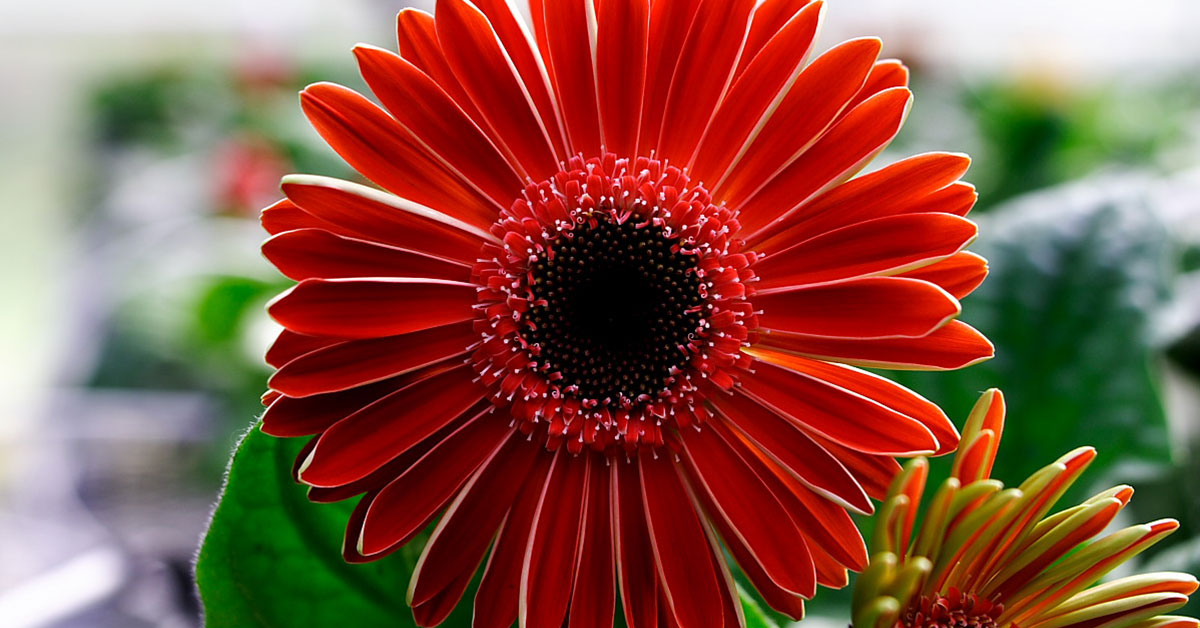

Welcome to our comprehensive guide on how to deadhead African daisies, the vibrant and cheerful flowers that can add a burst of color to any garden or landscape. Deadheading is a crucial practice in maintaining the health and beauty of these stunning plants. By removing spent blooms, you not only encourage continuous blooming but also promote overall plant vigor.
In this article, we will delve into the art of deadheading African daisies, exploring the reasons behind this practice, the ideal time to do it, and the step-by-step process to ensure you achieve the best results. Whether you are a seasoned gardener or a beginner, this guide will equip you with the knowledge and techniques to keep your African daisies thriving and blooming all season long. So, let’s get started and unlock the secrets to successful deadheading of African daisies!
Should you deadhead african daisies?
African daisies, also known as osteospermums, are beautiful flowering plants that are commonly grown in gardens and landscapes. Deadheading, which is the process of removing spent flowers, is a common practice in gardening. However, when it comes to African daisies, deadheading is not always necessary or recommended. Here are a few factors to consider when deciding whether or not to deadhead African daisies:
- Flowering Period: African daisies have a long blooming period, often lasting from spring to fall. During this time, they continuously produce new flowers while the old ones naturally fade and die off. The fading flowers will eventually form seed heads, which can add visual interest to the plant.
- Self-Cleaning: African daisies are self-cleaning plants, meaning that they naturally shed their spent flowers. As the flowers fade, they will dry up and drop off on their own, without requiring any intervention from the gardener. This self-cleaning process helps the plant conserve energy and resources.
- Attractive Seed Heads: If you choose not to deadhead African daisies, the faded flowers will develop into seed heads. These seed heads can be quite ornamental, adding texture and visual appeal to the plant. They can also attract birds and other wildlife to your garden, as they may feed on the seeds.
- Pruning Benefits: While deadheading may not be necessary for African daisies, light pruning can be beneficial. If the plant becomes leggy or overgrown, you can trim it back by removing a portion of the stems. This will encourage bushier growth and more compact plants.
In conclusion, deadheading African daisies is not essential, as they are self-cleaning plants that naturally shed their spent flowers. However, if you prefer a neater appearance or want to encourage more blooms, you can selectively deadhead the faded flowers. Alternatively, you can leave the seed heads intact to add interest to your garden and attract wildlife. Regular light pruning can also help maintain the plant’s shape and promote healthy growth.
When to deadhead african daisies?
African daisies, also known as osteospermum, are beautiful flowering plants that benefit from regular deadheading. Deadheading is the process of removing spent flowers to encourage new blooms and maintain the overall appearance of the plant. The timing for deadheading African daisies depends on the specific variety and climate, but here are some general guidelines:
- Regular Deadheading: African daisies should be deadheaded regularly throughout the growing season, especially during their peak blooming period. This helps to prevent the formation of seed heads and encourages the plant to produce more flowers.
- Timing: Deadheading should be done as soon as the flowers start to fade or wilt. It’s best to remove the entire flower stalk, including the stem and the base of the flower, to prevent any seed formation.
- Frequency: Depending on the rate of flowering, you may need to deadhead African daisies every few days or once a week. This will ensure that the plant continues to produce new blooms and maintains a tidy appearance.
- Weather Considerations: If you live in a hot climate, it’s advisable to deadhead African daisies early in the morning or late in the evening when temperatures are cooler. This helps to minimize stress on the plant and reduces the risk of wilting.
- Pruning: In addition to deadheading, you can also lightly prune African daisies throughout the growing season to maintain their shape and encourage bushier growth. However, avoid heavy pruning, especially during the hotter months, as it can stress the plant.
Remember, deadheading is not only beneficial for the appearance of the plant but also helps to divert energy from seed production to new flower production. By following these guidelines, you can enjoy a continuous display of vibrant African daisy blooms throughout the growing season.
How to deadhead african daisies
Deadheading African daisies is an important task to maintain the health and appearance of these beautiful flowers. Deadheading refers to the removal of spent blooms, which encourages the plant to produce more flowers and prevents the formation of seeds. Here is a step-by-step guide on how to deadhead African daisies:
- Timing: Deadheading should be done throughout the blooming season of African daisies, which is typically from spring to fall. It is best to deadhead regularly, at least once or twice a week, to keep the plant looking its best.
- Equipment: Gather the necessary tools before you start. You will need a pair of clean, sharp pruning shears or scissors. It is important to use clean tools to prevent the spread of diseases.
- Identify spent blooms: Look for flowers that have started to fade or wilt. Spent blooms are usually discolored, drooping, or have petals that are browning or falling off. Focus on removing these flowers to encourage new growth.
- Cut above a leaf node: Locate a healthy leaf node, which is the point on the stem where a leaf emerges. Position your pruning shears or scissors just above the leaf node and make a clean, angled cut. This method helps to promote branching and new growth.
- Remove the entire flower head: Cut the stem just above the spent flower head, ensuring that you remove the entire flower, including the base. Leaving any part of the old flower behind may lead to disease or pest problems.
- Dispose of the spent blooms: Collect the removed flower heads and dispose of them in a compost bin or trash bag. Do not leave them on the ground near the plant, as this can attract pests or diseases.
- Repeat the process: Continue deadheading African daisies regularly throughout the blooming season. As new flowers emerge, repeat the steps above to remove spent blooms and encourage continuous blooming.
- Water and fertilize: After deadheading, water the African daisies thoroughly to ensure they receive enough moisture. Additionally, consider applying a balanced, slow-release fertilizer according to the package instructions to provide the necessary nutrients for healthy growth and continuous blooming.
By following these steps, you can keep your African daisies looking vibrant and encourage them to produce more beautiful flowers throughout the growing season.
Aftercare
After deadheading African daisies (Osteospermum), it is important to follow these care guidelines to ensure the health and vitality of the plant:
- Timing: Deadheading should be done regularly throughout the blooming season. As soon as the flowers start to fade and wilt, it is time to deadhead them.
- Tools: Use a pair of clean and sharp pruning shears or scissors to deadhead the flowers. Make sure the tools are sanitized to prevent the spread of diseases.
- Technique: Locate the spent flower just above the first set of healthy leaves or buds. Cut the stem just above this point, making a clean and angled cut. This will encourage new growth and prevent the plant from wasting energy on producing seeds.
- Removal: Collect the deadheaded flowers and dispose of them properly. Do not leave them on the ground near the plant, as this can attract pests and diseases.
- Watering: After deadheading, water the plant thoroughly to provide it with the necessary moisture. African daisies prefer well-draining soil, so make sure not to overwater them.
- Fertilization: Apply a balanced, slow-release fertilizer according to the package instructions. This will provide the plant with essential nutrients for healthy growth and continuous blooming.
- Sunlight: African daisies thrive in full sun, so ensure they receive at least 6-8 hours of direct sunlight per day. Adequate sunlight promotes strong growth and abundant flowering.
- Pruning: Besides deadheading, occasional pruning can help maintain the shape and size of the plant. If the African daisies become leggy or overgrown, trim back the stems by one-third to encourage bushier growth.
- Pest and Disease Control: Monitor the plant regularly for any signs of pests or diseases. Common issues include aphids, spider mites, and powdery mildew. If detected, treat the problem promptly using organic or chemical methods, depending on your preference.
- Mulching: Apply a layer of organic mulch around the base of the plant to help retain moisture, suppress weed growth, and regulate soil temperature. This will also provide a neat and tidy appearance to the garden bed.
By following these care guidelines, you can ensure that your African daisies remain healthy, vibrant, and continue to produce beautiful blooms throughout the growing season.