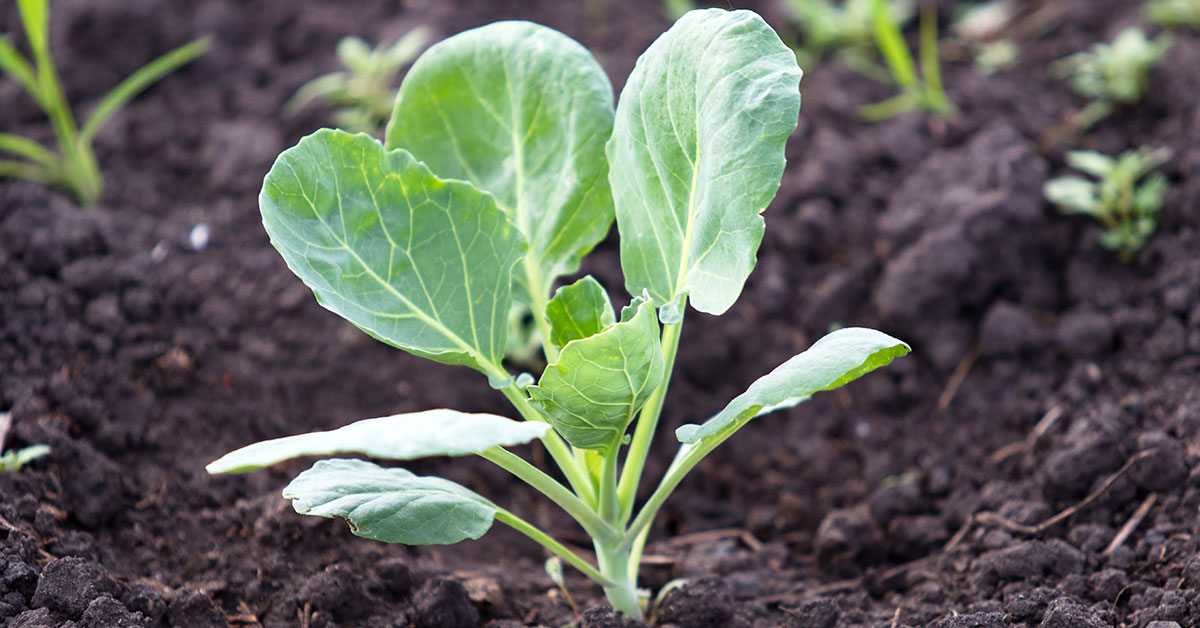

Valiant Brussels Sprout is a delightful and versatile vegetable that has captured the hearts of gardeners and food enthusiasts alike. Whether you are an experienced gardener looking to expand your repertoire or a novice seeking to embark on a new gardening adventure, Valiant Brussels Sprouts are a fantastic addition to any garden.
With their unique flavor profile, compact growth habit, and remarkable nutritional benefits, these miniature cabbage-like delights are sure to become a beloved staple in your kitchen. So, grab your gardening tools, put on your green thumb, and join us as we explore the world of Valiant Brussels Sprouts and unlock the secrets to successful cultivation and delicious culinary creations.
What is a Valiant Brussels Sprout?
The Valiant Brussels Sprout is a popular and highly regarded variety of Brussels sprouts. It is known for its excellent taste and consistent performance in the garden. These sprouts are typically medium to large in size, with a vibrant green color and a tight, compact structure. Valiant Brussels sprouts are known for their ability to withstand cold temperatures, making them a great choice for fall and winter gardening. They have a high level of frost tolerance, allowing them to continue growing even when other plants may struggle. In terms of flavor, Valiant Brussels sprouts have a deliciously mild and slightly sweet taste.
When cooked, they become tender and develop a nutty undertone that pairs well with a variety of dishes. Their compact structure allows for even cooking and ensures that the sprouts retain their shape and texture. When it comes to cultivation, Valiant Brussels sprouts require well-drained soil with a pH level between 6.0 and 7.5. They prefer a sunny location but can also tolerate partial shade.
These sprouts benefit from regular watering to keep the soil consistently moist, especially during dry periods. It is important to provide them with adequate space to allow for proper air circulation, as overcrowding can lead to disease and poor growth. Valiant Brussels sprouts usually take around 90-100 days to reach maturity. They can be harvested by cutting the sprouts off the stem from the bottom upwards as they reach a desired size, typically around 1-2 inches in diameter.
It is recommended to remove any yellowing or damaged leaves while harvesting to maintain the plant’s health. Overall, Valiant Brussels sprouts are a fantastic choice for gardeners who appreciate a flavorful and reliable variety. With proper care and attention, they can provide a bountiful harvest of delicious sprouts that can be enjoyed in various culinary creations.
What does Valiant Brussels Sprout taste like?
The Valiant Brussels Sprout has a unique and enjoyable taste that is often described as nutty, slightly sweet, and earthy. It has a mild bitterness that is not overpowering, making it a versatile vegetable for cooking. When cooked properly, Valiant Brussels Sprouts have a tender texture with a delicate crunch, adding a delightful bite to any dish. The flavor becomes more pronounced when roasted or sautéed, and it pairs well with various seasonings and ingredients. Overall, the taste of Valiant Brussels Sprouts is rich, satisfying, and a true delight for vegetable lovers.
How to start from seed
To start growing Valiant Brussels Sprouts, you will need to follow these steps:
- Timing: Brussels sprouts are a cool-season crop, so it’s best to start them indoors about 6-8 weeks before the last frost date in your area. In most regions, this is usually around early spring or late summer for a fall harvest.
- Seed selection: Choose high-quality Valiant Brussels sprout seeds from a reputable supplier or garden center. Look for fresh seeds that are labeled as disease-resistant, as this will help ensure a successful harvest.
- Seed starting trays: Fill seed starting trays or small pots with a well-draining seed starting mix. Moisten the mix slightly before planting the seeds.
- Planting the seeds: Sow the Valiant Brussels sprout seeds about ¼ inch deep into the soil. Space the seeds roughly 2 inches apart in the tray or pot. Gently cover the seeds with a thin layer of soil and lightly pat it down.
- Germination: Place the tray in a warm location, around 70-75°F (21-24°C). Ensure the soil remains consistently moist, but not soggy, by misting it with water or using a spray bottle. Germination usually takes about 7-10 days.
- Providing light: Once the seedlings have emerged, move the tray to a location with bright, indirect light or under grow lights. Aim for about 12-16 hours of light per day to encourage strong growth.
- Transplanting: When the seedlings have grown 2-3 sets of true leaves and are about 3-4 inches tall, they are ready to be transplanted. Harden off the seedlings by gradually exposing them to outdoor conditions over a week before transplanting.
- Outdoor planting: Choose a sunny location in your garden with well-draining soil. Brussels sprouts prefer a pH range of 6.0-7.5. Space the transplants about 18-24 inches apart, leaving enough room for the plants to develop their large leaves and sprouts.
- Soil preparation: Prior to planting, amend the soil with organic matter such as compost or well-rotted manure to improve its fertility and drainage.
- Care and maintenance: Water the plants regularly, aiming to keep the soil consistently moist but not waterlogged. Mulching around the plants can help retain moisture and suppress weed growth. Fertilize with a balanced organic fertilizer every few weeks to provide necessary nutrients.
- Staking: As the plants grow taller, they may require staking to support their weight and prevent them from toppling over. Use bamboo stakes or plant supports to provide support.
- Pest and disease control: Brussels sprouts can be susceptible to pests like cabbage worms, aphids, and cabbage loopers. Monitor your plants regularly and take appropriate measures to control any infestations. Additionally, keep an eye out for diseases such as clubroot and powdery mildew, and promptly address these issues if they arise.
- Harvesting: Valiant Brussels sprouts typically take around 90-110 days to reach maturity. Harvest the sprouts from the bottom of the plant upwards as they mature. Pick them when they are firm, green, and about 1-1.5 inches in diameter. Harvesting can continue throughout the fall until the first frost.
By following these steps, you should be able to successfully start and grow Valiant Brussels Sprouts in your garden. Happy gardening!
Planting and growing Valiant Brussels Sprout
Here are the steps for planting and growing Valiant Brussels Sprouts:
- Choose the right time: Brussels sprouts are a cool-season crop and should be planted in early spring or late summer for a fall harvest. Check your local frost dates to determine the best time for planting.
- Prepare the soil: Brussels sprouts prefer well-draining, fertile soil. Start by removing any weeds and loosening the soil with a garden fork or tiller. Add compost or well-rotted manure to improve soil fertility and drainage.
- Start seeds indoors: Valiant Brussels sprouts can be started from seeds indoors about 6-8 weeks before the last frost date. Use seedling trays or small pots filled with seed starting mix. Sow seeds ¼ inch deep and keep them moist until germination.
- Transplanting seedlings: Once the seedlings have grown to about 2-3 inches tall and have developed a few sets of true leaves, they can be transplanted into the garden. Harden off the seedlings by gradually exposing them to outdoor conditions for a week before planting.
- Planting in the garden: Choose a sunny location for planting your Brussels sprouts. Space the seedlings about 18-24 inches apart in rows with a similar spacing. Dig a hole slightly larger than the root ball, place the seedling in the hole, and backfill with soil. Firmly press the soil around the base of the plant.
- Watering and mulching: Brussels sprouts need consistent moisture, especially during dry periods. Water deeply to keep the soil evenly moist but not waterlogged. Apply a layer of organic mulch around the plants to help retain moisture, suppress weeds, and regulate soil temperature.
- Fertilizing: Brussels sprouts are heavy feeders, so it’s important to provide them with regular fertilization. Apply a balanced, slow-release fertilizer or compost around the base of the plants every 4-6 weeks throughout the growing season.
- Supporting the plants: As the plants grow taller, they may require staking or support to prevent them from toppling over in windy conditions. Install stakes or a trellis system early on to support the plants as they develop.
- Pests and diseases: Keep an eye out for common pests like aphids, cabbage worms, and flea beetles. Regularly inspect the plants and take appropriate measures like handpicking or using organic pest control methods. Brussels sprouts are also prone to diseases like clubroot and powdery mildew, so proper crop rotation and good sanitation practices are essential.
- Harvesting: Valiant Brussels sprouts typically take around 90-100 days to mature. Harvest the sprouts when they are firm, green, and about 1-2 inches in diameter. Start from the bottom of the stalk and work your way up, picking the sprouts as needed. If any sprouts are loose or have opened leaves, remove them as they won’t develop properly.
By following these steps, you can successfully plant and grow Valiant Brussels sprouts in your garden. Happy gardening!
When to harvest
The best time to harvest Valiant Brussels Sprouts is when the sprouts are firm and approximately 1-1.5 inches in diameter. This usually occurs about 85-100 days after transplanting. It’s important to harvest them before they become too large or start to loosen. Regularly check the sprouts, starting from the bottom of the plant, and harvest them from the bottom up as they mature.