
Sylvetta arugula (Diplotaxis tenuifolia) is known for its unique peppery flavor and vibrant green leaves. Sylvetta arugula is a must-have addition to any herb or salad garden.
In this article, we will delve into the fascinating world of Sylvetta arugula, exploring its origins, characteristics, and the many ways in which you can cultivate and utilize this versatile plant. So, grab your gardening tools and let’s embark on a journey to discover the wonders of Sylvetta arugula!
What is a Sylvetta Arugula?
Sylvetta arugula, also known as wild arugula or wild rocket, is a type of arugula that is native to the Mediterranean region. It is a leafy green herb that belongs to the Brassicaceae family, which also includes cabbage, kale, and mustard.
Sylvetta arugula has a distinct, peppery flavor that is more intense than regular arugula. The leaves are small, deeply lobed, and have a slightly wrinkled appearance. They are dark green in color and have a slightly glossy texture. The plant produces clusters of small, white flowers that eventually turn into seed pods.
This particular variety of arugula is known for its resilience and ability to thrive in cooler temperatures. It is often grown as a winter or early spring crop and can withstand frost better than other types of arugula. Sylvetta arugula is also known for its ability to self-seed, which means it can produce new plants without any additional effort from the gardener.
In terms of cultivation, Sylvetta arugula prefers well-draining soil and full sun, although it can tolerate some shade. It can be grown in containers or directly in the ground and requires regular watering to keep the soil moist. The leaves can be harvested when they reach a suitable size, typically around 4-6 inches long.
This wild rocket variety is prized for its bold flavor and versatility in the kitchen. The peppery taste of Sylvetta arugula adds a zesty kick to salads, sandwiches, and even cooked dishes like pasta. It is a popular choice among gardeners and chefs alike for its unique flavor profile and ease of cultivation.
What does Sylvetta Arugula taste like?
Sylvetta Arugula, also known as wild arugula or rocket, has a distinct and bold peppery taste. Its flavor is stronger and more pungent compared to regular arugula. The leaves have a slightly bitter undertone, which adds complexity to its taste profile. The peppery bite is often described as spicy or mustard-like, providing a zesty and refreshing sensation on the palate. The intensity of the flavor can vary depending on the maturity of the leaves, with younger leaves being milder and more tender. Overall, Sylvetta Arugula offers a unique and robust taste that adds a flavorful kick to salads, sandwiches, pastas, and other culinary creations.
How to start from seed
To start Sylvetta arugula, also known as wild or Italian arugula, you can either grow it from seeds or purchase young plants from a nursery. Here is a step-by-step guide to help you get started:
- Choose a suitable location: Sylvetta arugula prefers full sun but can tolerate partial shade. Ensure that the soil is well-draining and rich in organic matter.
- Prepare the soil: Before planting, prepare the soil by removing any weeds, rocks, or debris. Loosen the soil using a garden fork or tiller and incorporate compost or well-rotted manure to improve its fertility and structure.
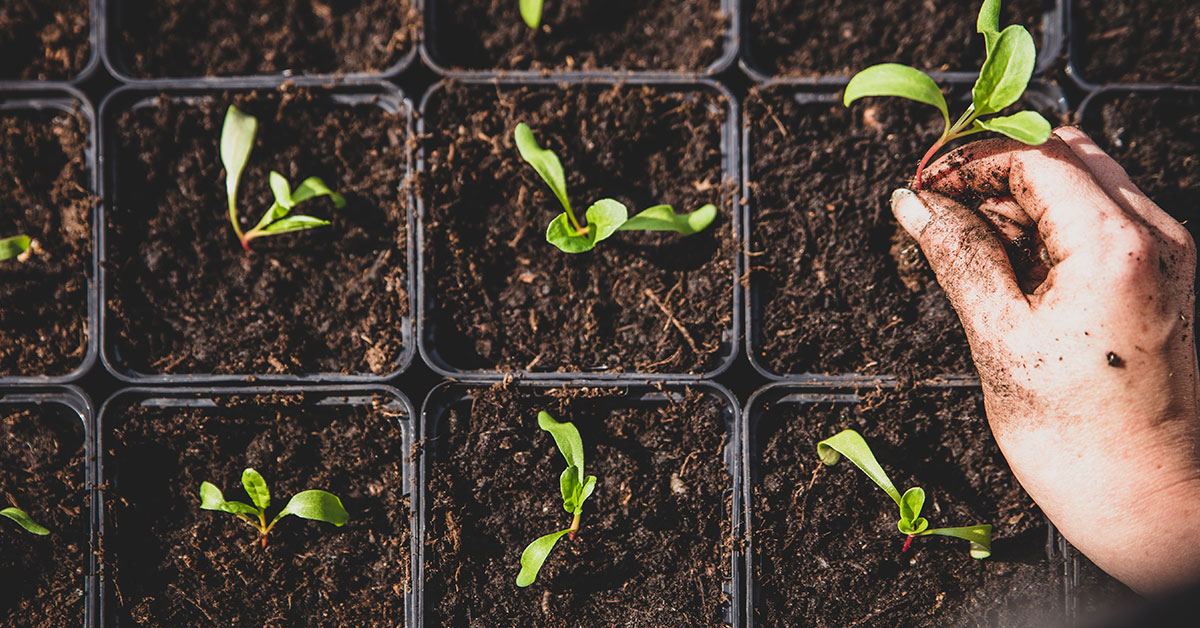
- Direct sowing: If you are starting from seeds, sow them directly into the prepared soil. Arugula seeds are tiny, so sprinkle them thinly and evenly over the soil surface. You can lightly press them into the soil, but avoid burying them too deep. Space the seeds about 1 inch apart.
- Transplanting: If you opt for young plants, dig small holes in the prepared soil, ensuring they are spaced about 6-8 inches apart. Carefully remove the plants from their containers and place them in the holes. Gently firm the soil around the base of the plants.
- Watering: After planting, water the seeds or transplants thoroughly to ensure good soil moisture. Arugula prefers consistent moisture, so water regularly, keeping the soil evenly moist but not waterlogged. Avoid overhead watering to prevent foliar diseases.
- Thinning: If you have sown seeds, once they germinate and grow a few inches tall, thin them out to provide enough space for the remaining seedlings to develop. Thin the plants to be about 4-6 inches apart, allowing them ample room to grow.
- Fertilization: Arugula generally doesn’t require heavy fertilization. However, you can apply a balanced organic fertilizer or compost around the plants every few weeks to promote healthy growth. Follow the package instructions for the appropriate dosage.
- Harvesting: Sylvetta arugula is typically ready to harvest in about 30-40 days after planting. Harvest the outer leaves by cutting them off at the base, leaving the inner leaves to continue growing. Regular harvesting will encourage new growth and prevent the plants from bolting.
- Pests and diseases: Arugula is generally resistant to many pests and diseases. However, keep an eye out for common garden pests like aphids, flea beetles, or slugs, which can occasionally cause damage. Use organic pest control methods if necessary.
- Successive plantings: To enjoy a continuous harvest, consider making successive plantings of arugula every few weeks. This way, you can have a steady supply of fresh leaves throughout the growing season.
By following these steps, you can successfully start and grow Sylvetta arugula in your garden. Enjoy the process and the delicious, peppery leaves it provides!
Planting and growing Sylvetta Arugula
Planting and growing Sylvetta Arugula is a relatively simple process. Here are the steps to follow:
- Timing: Sylvetta Arugula is a cool-season crop, so the best time to plant it is in early spring or late summer. Ensure that the soil temperature is around 40-60°F (4-15°C) for proper germination.
- Location: Choose a location that receives full sun to partial shade. Arugula prefers well-draining soil with a pH level of 6.0-7.0. If the soil is heavy clay or compacted, consider amending it with organic matter to improve drainage.
- Soil preparation: Clear the area of any weeds or debris. Loosen the soil to a depth of 6-8 inches (15-20 cm) using a garden fork or tiller. Incorporate compost or well-rotted manure into the soil to improve its fertility and moisture-retaining capacity.
- Planting: Sow the Sylvetta Arugula seeds directly into the prepared soil. Scatter the seeds evenly or make shallow rows about ¼ inch (6 mm) deep. Space the seeds around 1 inch (2.5 cm) apart. Cover the seeds lightly with soil and gently water the area.
- Watering: Arugula prefers consistent moisture but avoid overwatering, as it can lead to disease and rot. Water the plants regularly, especially during dry periods. Aim to keep the soil evenly moist, but not waterlogged.
- Thinning: Once the seedlings emerge, thin them to allow enough space for proper growth. Ideally, thin the plants to 4-6 inches (10-15 cm) apart. Thinning not only ensures adequate air circulation but also prevents overcrowding, which can lead to leggy growth and increased susceptibility to diseases.
- Fertilization: Arugula is a relatively low-maintenance plant and usually doesn’t require heavy fertilization. However, applying a balanced organic fertilizer or compost once during the growing season can help promote healthy growth.
- Harvesting: Sylvetta Arugula can be harvested when the leaves reach the desired size, usually around 4-6 weeks after planting. Harvest individual leaves or cut the entire plant about 1-2 inches (2.5-5 cm) above the soil level. Regular harvesting encourages continuous leaf production.
- Pests and diseases: Arugula is generally resistant to most pests and diseases. However, keep an eye out for flea beetles, snails, and slugs, which can occasionally cause damage. If necessary, employ organic pest control methods like handpicking or using natural repellents.
By following these steps, you should be able to successfully plant and grow your Sylvetta Arugula. Enjoy the process and the deliciously tangy leaves it produces!
When to harvest
The best time to harvest Sylvetta Arugula is when the leaves are young and tender, usually around 4-6 weeks after planting. It’s important to keep an eye on the plants and harvest them before they start to bolt and produce flowers, as this can make the leaves bitter. Regularly harvesting the outer leaves will encourage the plant to continue producing fresh new growth.