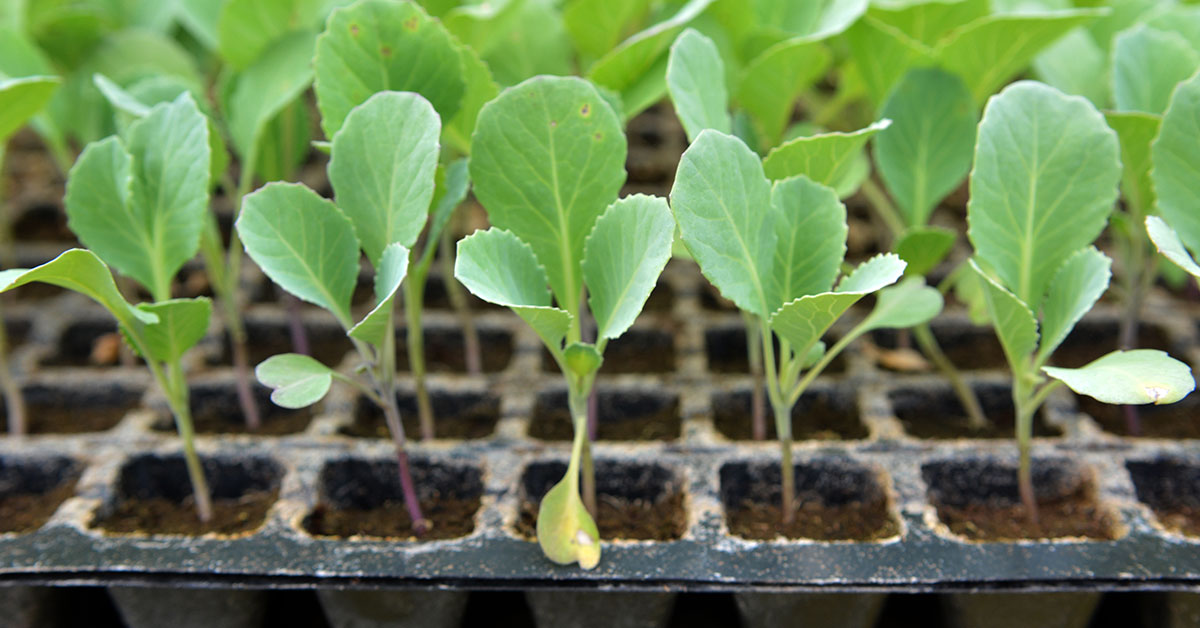

Stonehead cabbage is an exceptional vegetable with a rich history and a multitude of benefits for both gardeners and cooks alike. Stonehead cabbage, scientifically known as Brassica oleracea var. capitata, is a variety of cabbage that is renowned for its solid, dense heads and its ability to withstand harsh weather conditions. With its distinctively sweet flavor and versatile nature, this cabbage has become a favorite among gardeners and chefs around the world.
In this article, we will delve into the origins of Stonehead cabbage, explore its notable characteristics, and provide valuable tips on how to cultivate and care for this remarkable plant in your own garden. Whether you are a seasoned gardener looking to expand your vegetable repertoire or a beginner eager to embark on a rewarding gardening journey, Stonehead cabbage is sure to become a cherished addition to your garden and kitchen.
What is a Stonehead Cabbage?
Stonehead cabbage, also known as Stonehead lettuce or cabbage lettuce, is a type of cabbage that has a dense and compact head. It is named as such because of its hard and stony appearance. The leaves of Stonehead cabbage are thick and tightly packed, forming a firm and round head. The outer leaves are typically darker green in color, while the inner leaves are lighter green. The head can grow to be quite large, ranging from 4 to 6 inches in diameter.
This variety of cabbage is known for its excellent crispness and sweet flavor. The leaves have a slightly crunchy texture that makes them ideal for salads, coleslaws, and stir-fries. Stonehead cabbage is also a good source of vitamins A and C, as well as dietary fiber. In terms of cultivation, Stonehead cabbage prefers well-drained soil and a sunny location. It requires regular watering and benefits from the addition of compost or organic matter to the soil.
This cabbage variety is generally easy to grow and can be harvested when the heads are firm and fully formed. Whether you are a seasoned gardener or a beginner, Stonehead cabbage is a great addition to any vegetable garden. Its compact size makes it suitable for small spaces, and its delicious taste and versatility in the kitchen make it a popular choice among gardeners and cooks alike.
What does Stonehead Cabbage taste like?
The Stonehead cabbage is known for its mild and sweet flavor. It has a delicate and crisp texture that is refreshing when eaten raw or lightly cooked. The taste is subtly earthy and slightly sweet, without any overpowering bitterness. The leaves are tender and have a slight crunch, making it perfect for salads, coleslaws, stir-fries, or even steaming. Overall, the Stonehead cabbage offers a pleasant and enjoyable taste that is versatile in various culinary preparations.
How to start from seed
Starting Stonehead cabbage from seeds is a great way to grow your own delicious and nutritious cabbage crop. Here is a step-by-step guide to help you get started:
- Seed selection: Choose high-quality Stonehead cabbage seeds from a reputable source. Look for seeds that are specifically labeled as Stonehead cabbage to ensure you get the right variety.
- Timing: Stonehead cabbage is a cool-season crop, so it’s important to start the seeds indoors about 6-8 weeks before the last expected frost date in your area. This will give the seedlings enough time to grow and be ready for transplanting.
- Seed starting containers: Use seed trays or small pots with drainage holes to sow the seeds. Ensure the containers are clean and sterilized to prevent any diseases.
- Soil preparation: Use a well-draining seed starting mix or a combination of peat moss and vermiculite. Fill the containers with the soil mix and level the surface gently.
- Sowing seeds: Sow the Stonehead cabbage seeds about 1/4 to 1/2 inch deep in the soil. Space the seeds about 2 inches apart to allow room for growth. Lightly cover the seeds with the soil mix and gently pat it down.
- Watering: Moisten the soil gently using a spray bottle or a fine mist setting on your watering can. Avoid overwatering, as it can lead to seed rot. Keep the soil consistently moist, but not soaked.
- Germination: Place the seed trays or pots in a warm location with temperatures around 65-75°F (18-24°C). You can cover the containers with a plastic dome or a clear plastic wrap to create a mini greenhouse effect, which helps retain moisture and heat for better germination.
- Light requirements: Once the seeds have germinated, remove the plastic cover and move the containers to a location with bright, indirect light. If you don’t have access to sufficient natural light, you can use fluorescent or LED grow lights positioned a few inches above the seedlings.
- Transplanting: When the seedlings have grown their first set of true leaves and are about 3-4 inches tall, they are ready for transplanting. Harden off the seedlings by gradually acclimatizing them to outdoor conditions over a week.
- Outdoor planting: Choose a sunny location in your garden with well-draining soil. Prepare the soil by loosening it and adding compost or organic matter for improved fertility. Space the Stonehead cabbage plants about 12-18 inches apart to provide adequate room for growth.
- Care and maintenance: Water the transplanted seedlings regularly, ensuring they receive about 1 inch of water per week. Mulching around the plants helps to conserve moisture, suppress weeds, and regulate soil temperature. Fertilize every 3-4 weeks with a balanced vegetable fertilizer.
- Harvesting: Stonehead cabbage typically takes around 70-80 days to mature. Harvest the cabbage heads when they feel firm and have reached the desired size. Use a sharp knife to cut the head at the base, leaving a few outer leaves intact for protection.
By following these steps, you can successfully start and grow Stonehead cabbage from seeds. Enjoy your homegrown cabbage in various delicious recipes!
Planting and growing Stonehead Cabbage
To plant and grow Stonehead Cabbage, follow these steps:
- Choose a suitable location: Stonehead Cabbage prefers full sun but can tolerate partial shade. Ensure the soil is fertile, well-draining, and rich in organic matter. The pH level should be around 6.5 to 7.5.
- Prepare the soil: Clear the area of any weeds or debris. Loosen the soil using a garden fork or tiller, breaking up any clumps and removing rocks or roots. Mix in compost or well-rotted manure to improve soil fertility.
- Start seeds indoors (optional): Stonehead Cabbage can be started indoors 4-6 weeks before the last frost date. Sow seeds in seed trays or small pots filled with seed-starting mix. Keep the soil consistently moist and provide sufficient light until the seedlings are ready to be transplanted.
- Direct sow seeds: If starting seeds indoors is not preferred, you can directly sow the seeds outdoors once the soil has warmed up in spring. Sow the seeds about ½ inch deep and 12-18 inches apart, leaving 2-3 feet of space between rows.
- Watering: Keep the soil evenly moist throughout the growing season. Cabbage requires consistent moisture but avoid overwatering to prevent root rot. Water at the base of the plant to minimize foliar diseases.
- Fertilization: Stonehead Cabbage benefits from regular fertilization. Apply a balanced, slow-release fertilizer or side dress with compost or well-rotted manure every 3-4 weeks to promote healthy growth.
- Weed control: Regularly weed the area around the cabbage plants to prevent competition for nutrients and water. Mulching the soil with straw or wood chips can help suppress weeds and retain moisture.
- Pest and disease control: Monitor the cabbage plants regularly for pests such as aphids, cabbage worms, or slugs. Use organic pest control methods like handpicking, neem oil, or insecticidal soaps if necessary. Prevent diseases like clubroot or cabbage yellows by practicing crop rotation and maintaining good soil health.
- Harvesting: Stonehead Cabbage takes approximately 75-85 days to mature. Harvest the heads when they are firm and reach their desired size, usually around 4-6 pounds. Use a sharp knife to cut the head at the base, leaving a few outer leaves intact for protection.
- Storage: Store harvested cabbage in a cool, dark place with high humidity, such as a root cellar or refrigerator. Properly stored cabbage can last for several weeks.
By following these steps, you can enjoy a successful Stonehead Cabbage harvest. Happy gardening!
When to harvest
The best time to harvest Stonehead Cabbage is when the heads feel firm and reach their full size. This typically occurs around 70-90 days after planting, depending on the specific variety and growing conditions. You can also look for outer leaves that have started to change color or show signs of wilting as an indication that the cabbage is ready to be harvested. It’s important not to wait too long, as overripe cabbages can become tough and less flavorful.