
Slow Bolt Arugula is a versatile and flavorful leafy green that has gained popularity among gardeners and food enthusiasts alike. With its vibrant green leaves, peppery taste, and impressive nutritional profile, Slow Bolt Arugula has become a staple in many kitchen gardens.
Whether you are a seasoned gardener or just starting your green thumb journey, join us as we uncover the secrets to cultivating this delightful herb and learn how to enjoy its bountiful harvest all year round.
What is a Slow Bolt Arugula?
Slow bolt arugula is a variety of arugula (Eruca sativa) that is specifically bred to have a slower bolting rate. Bolting refers to the process where the plant starts to produce flowers and eventually go to seed. In arugula, when the plant bolts, the leaves become bitter and less desirable for consumption. Slow bolt arugula is favored by gardeners because it allows for a longer harvest period. Regular arugula tends to bolt quickly, especially in hot weather, which limits the time available for harvesting the tender leaves.
With slow bolt arugula, the plant takes longer to transition to its flowering stage, thus extending the period when the leaves are at their most flavorful and tender. The leaves of slow bolt arugula are similar to regular arugula, featuring a distinctive spicy and peppery flavor. They are rich in vitamins A, C, and K, as well as minerals like calcium and potassium.
This variety of arugula is typically grown as a leafy green for salads, sandwiches, or as a garnish for various dishes. When cultivating slow bolt arugula, it is important to provide it with well-drained soil and full sun to partial shade. The seeds can be sown directly in the garden or started indoors and transplanted.
Regular watering and regular harvesting of the outer leaves will help promote continuous growth and prevent the plant from bolting prematurely. Overall, slow bolt arugula is a great choice for gardeners who want to enjoy the fresh, peppery taste of arugula for a longer period, without worrying about the plant going to seed too quickly.
What does Slow Bolt Arugula taste like?
The Slow Bolt Arugula has a distinct and peppery taste that is truly unique. It has a slightly bitter flavor with a hint of nuttiness, making it a favorite among arugula lovers. The leaves are tender and have a crisp texture, adding a refreshing element to any dish. The flavor intensifies as the plant matures, so you can adjust the harvest time to suit your personal preference. Whether used in salads, sandwiches, or as a garnish, the Slow Bolt Arugula adds a delightful sharpness and complexity to your culinary creations.
How to start from seed
Starting slow bolt arugula from seeds is a relatively simple process. Here’s a step-by-step guide to help you get started:
- Select a suitable location: Slow bolt arugula prefers full sun, but it can tolerate some partial shade. Choose a spot in your garden that receives at least 6 hours of direct sunlight daily.
- Prepare the soil: Arugula grows well in well-draining soil, rich in organic matter. Before planting, loosen the soil using a garden fork or tiller. Remove any weeds, rocks, or debris from the area.
- Sow the seeds: Arugula seeds are small, so it’s best to sow them directly into the soil. Create shallow furrows about ¼ inch deep, spaced around 1 inch apart. Gently sprinkle the seeds along the furrows, aiming for about 10-15 seeds per foot. Alternatively, you can scatter the seeds evenly and lightly rake them into the soil.
- Water the seeds: After sowing, water the area gently to ensure the soil is moist. Avoid overwatering, as excessive moisture can lead to poor germination or damping off.
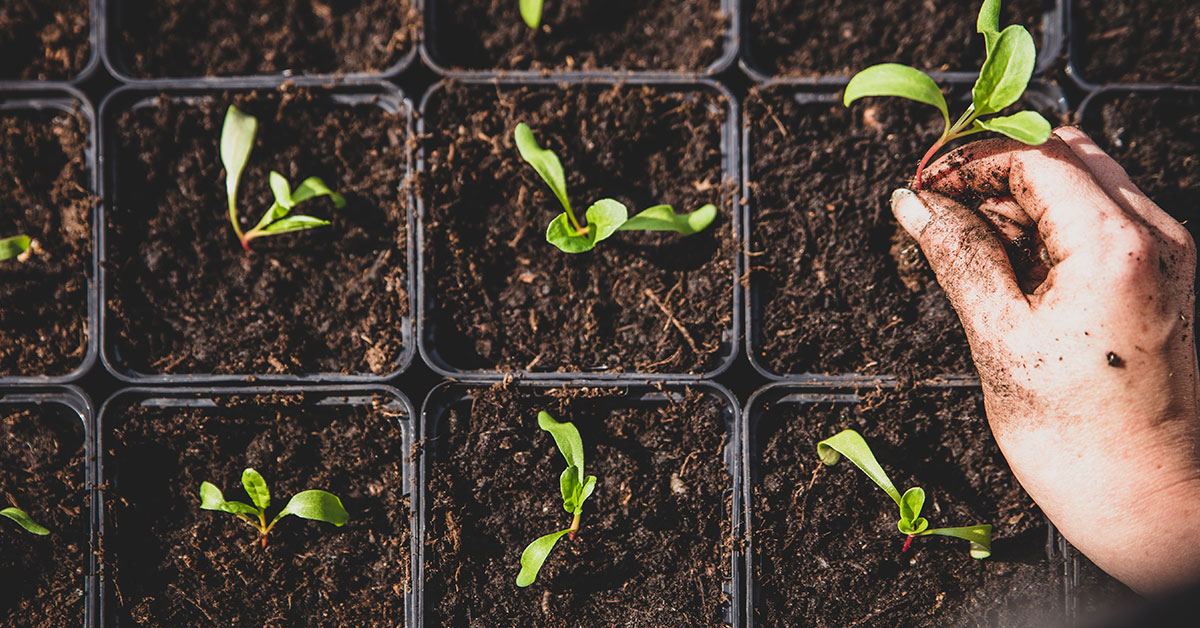
- Thin the seedlings: Once the seedlings emerge and develop their first true leaves, they will need space to grow. Thin the arugula plants by removing the weaker ones, leaving a gap of around 4-6 inches between each plant. These thinned seedlings can be used in salads or as microgreens.
- Provide regular water: Arugula prefers consistent moisture, so make sure to water the plants regularly. Keep the soil evenly moist, but avoid waterlogging, as it can cause root rot.
- Fertilize if needed: Slow bolt arugula doesn’t require heavy fertilization, as excessive nitrogen can lead to increased bolting. However, if your soil is lacking in nutrients, you can apply a balanced organic fertilizer according to the manufacturer’s instructions.
- Harvest the leaves: Slow bolt arugula typically takes around 40-50 days to mature. Harvest the leaves by cutting them at the base, leaving a few inches of growth for regrowth. Regular harvesting will encourage the plant to produce more leaves.
- Prevent bolting: This plant is known for its resistance to bolting, but if you notice flower stalks forming, it’s an indication that the plant is going to seed. To prolong the harvest, keep the plants well-watered and provide some shade during the hottest parts of the day.
By following these steps, you should be able to successfully start and grow slow bolt arugula in your garden. Enjoy the fresh and flavorful greens in your salads and culinary creations!
Planting and growing Slow Bolt Arugula
To plant and grow Slow Bolt Arugula, follow these steps:
- Choose the right time: Slow Bolt Arugula is a cool-season crop, so choose a time to plant when the soil temperature is around 50-65°F (10-18°C). In most regions, this is early spring or fall.
- Select a suitable location: Arugula prefers full sun but can tolerate some shade. Ensure that the soil is well-draining and rich in organic matter. If needed, amend the soil with compost or well-rotted manure to improve its fertility.
- Prepare the soil: Remove any weeds or debris from the planting area and loosen the soil to a depth of 6-8 inches (15-20 cm). This will provide a loose and aerated environment for the arugula roots to grow.
- Sow the seeds: Scatter the arugula seeds evenly over the prepared soil. Aim for a spacing of about 1 inch (2.5 cm) between seeds. You can also plant them in rows with a spacing of 6-8 inches (15-20 cm) between rows.
- Cover and water: Gently press the seeds into the soil, ensuring good seed-to-soil contact. Cover the seeds with a thin layer of soil or compost, about 1/4 inch (0.6 cm) deep. Water the planting area thoroughly but gently to avoid disturbing the seeds.
- Maintain moisture: Keep the soil consistently moist during the germination period, which usually takes 7-14 days. Water regularly, especially during dry spells, but avoid overwatering, as it can lead to root rot.
- Thin the seedlings: Once the seedlings have grown to about 2 inches (5 cm) tall, thin them to provide enough space for each plant to grow. Space the plants 4-6 inches (10-15 cm) apart to allow for adequate air circulation and prevent overcrowding.
- Fertilize: Slow Bolt Arugula doesn’t require heavy feeding, but a light application of balanced organic fertilizer or compost tea can help promote healthy growth. Apply the fertilizer according to the manufacturer’s instructions.
- Harvest: Slow Bolt Arugula should be ready for harvesting around 40-50 days after sowing. Harvest the outer leaves when they are young and tender, leaving the inner leaves to continue growing. Regular harvesting will encourage the plant to produce more leaves.
- Pests and diseases: Keep an eye out for common pests such as flea beetles and aphids. Use organic pest control methods or insecticidal soap to manage infestations. Arugula is generally resistant to diseases, but proper spacing and good air circulation can help prevent fungal issues.
By following these steps, you should be able to successfully plant and grow your Slow Bolt Arugula. Enjoy the fresh and peppery harvest!
When to harvest
The best time to harvest is when the leaves are young and tender, typically around 25-40 days after planting. Slow Bolt Arugula is known for its resistance to bolting, which means it takes longer for it to produce flowers and go to seed compared to other arugula varieties. However, it’s still important to regularly check the plants for any signs of bolting, such as elongated stems or the formation of flower buds. Harvesting the leaves before they become too mature ensures that they retain their delicate flavor and texture.