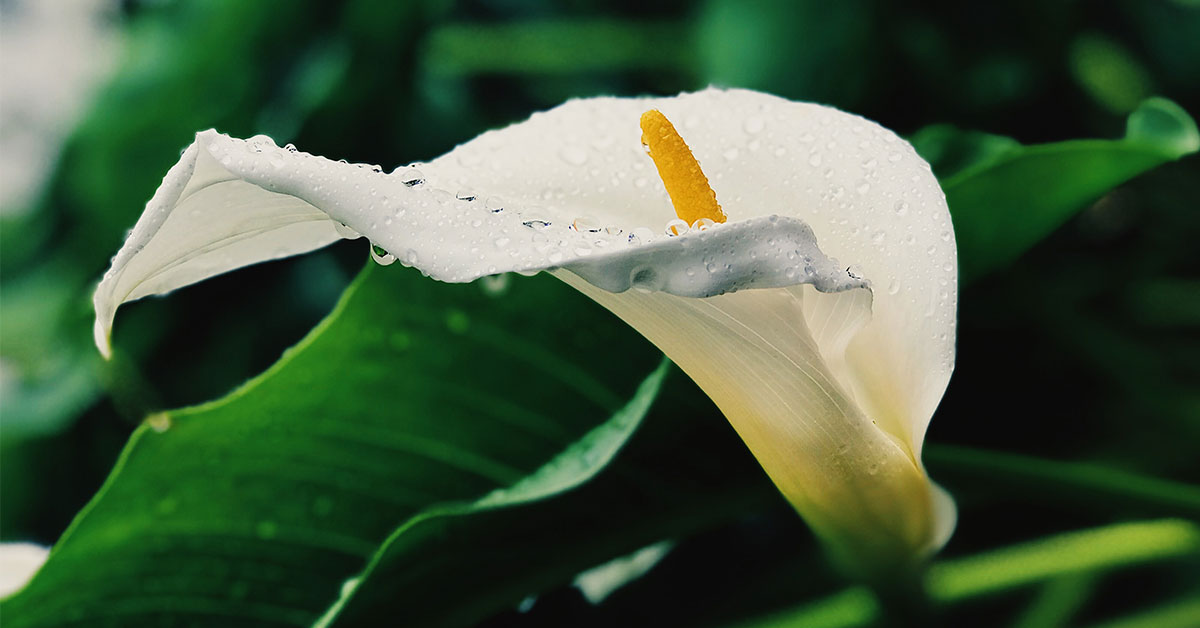

Welcome to our comprehensive guide on how to deadhead calla lilies, a popular and elegant flowering plant that adds a touch of sophistication to any garden or indoor space. Deadheading is a simple yet essential technique that involves removing spent flowers to encourage new growth and prolong the blooming period of your calla lilies.
By understanding the proper methods and timing for deadheading, you can ensure that your calla lilies continue to dazzle with their vibrant colors and graceful blooms throughout the growing season.
Whether you are a seasoned gardener or a beginner, this article will provide you with step-by-step instructions and valuable tips to help you master the art of deadheading calla lilies and keep your plants looking their best.
Should you deadhead calla lilies?
Deadheading calla lilies is not necessary, but it can be beneficial for the overall health and appearance of the plant. Deadheading refers to the removal of spent flowers or flower heads. Here are some points to consider when deciding whether or not to deadhead calla lilies:
- Aesthetics: Deadheading calla lilies can enhance the visual appeal of the plant. By removing faded or wilted flowers, you can maintain a neat and tidy appearance in your garden or flower bed.
- Energy conservation: Calla lilies put a lot of energy into producing flowers. By deadheading, you redirect the plant’s energy away from seed production and towards other important processes like root and foliage growth. This can result in stronger and healthier plants.
- Prolonged blooming: Deadheading can encourage calla lilies to produce more blooms. By removing spent flowers, you stimulate the plant to produce new flower buds, extending the blooming period and providing you with more vibrant flowers to enjoy.
- Seed production: If you want to collect seeds from your calla lilies, then deadheading should be avoided. Allowing the flowers to naturally fade and form seed pods will enable you to harvest the seeds for propagation.
- Wildlife attraction: Calla lilies produce attractive seed pods that can be a food source for birds and other wildlife. If you want to support local wildlife, you may choose to leave the spent flowers on the plant to allow seed production.
- Maintenance: Deadheading calla lilies is a simple task that can be done by pinching or cutting off the faded flowers. It helps to keep the plant looking tidy and prevents the formation of seed pods that may self-sow and spread in unwanted areas.
In conclusion, deadheading calla lilies is not necessary for their survival, but it can benefit the overall health and appearance of the plant. Consider your aesthetic preferences, desire for prolonged blooming, seed production goals, and wildlife attraction when deciding whether or not to deadhead your calla lilies.
When to deadhead calla lilies?
Deadheading calla lilies is an essential task to maintain their appearance and promote continuous blooming. The best timing to deadhead calla lilies is when the flowers start to fade and wither. Here are some guidelines to follow:
- Observe the flowers: As calla lily flowers age, they will naturally start to fade and lose their vibrant color. Wait until the flowers have completely wilted and the petals have started to dry out before deadheading.
- Check the stem: Once the flowers have faded, examine the stem to see if it has also started to turn yellow or brown. If the stem is still green and healthy-looking, it’s best to leave it intact, as it may produce additional blooms or contribute to the plant’s energy reserves.
- Trim the stem: If the stem has started to deteriorate or if you want to encourage new growth, you can trim it back. Use clean and sharp pruning shears or scissors to cut the stem just above the nearest healthy leaf or node. Make sure to sterilize your cutting tools before and after use to prevent the spread of diseases.
- Remove spent flowers: Once you have trimmed the stem, remove the faded flowers by gently pinching or twisting them off. Be careful not to damage any emerging buds or healthy foliage.
- Dispose of the flowers: Collect the removed flowers and dispose of them properly. This helps prevent the spread of diseases and pests that may be present on the decaying flowers.
- Maintain regular deadheading: Deadheading calla lilies should be done consistently throughout the blooming season. By removing spent flowers promptly, you encourage the plant to redirect its energy towards producing new blooms rather than seed production.
Remember, deadheading calla lilies not only keeps the plant looking tidy but also promotes continuous flowering. Regular deadheading will help extend the blooming period and keep your calla lilies healthy and vibrant.
How to deadhead calla lilies
Deadheading calla lilies is an essential task to promote continuous blooming and maintain the overall health of the plant. Here is a step-by-step guide on how to deadhead calla lilies:
- Timing: Wait until the calla lily flowers have completely bloomed and started to fade. The petals should be wilting and losing their vibrant color.
- Prepare: Gather the necessary tools, including a pair of clean, sharp pruning shears or scissors, a clean container or bag for collecting the dead flowers, and gloves if desired.
- Locate the spent flowers: Examine the calla lily plant and identify the flowers that have finished blooming. Look for flowers that have started to wither, turn brown, or lose their petals.
- Cut the stem: Follow the stem of the spent flower down to where it meets the main stalk or the cluster of leaves. Position your pruning shears or scissors just above this point and make a clean, angled cut. Ensure that you do not damage any healthy leaves or buds while cutting.
- Collect the dead flowers: Place the cut flowers directly into your container or bag. This helps prevent any fallen petals or debris from littering the garden bed or pot.
- Dispose of the dead flowers: Once you have finished deadheading, dispose of the collected flowers in a compost bin or discard them in a green waste bin. Avoid leaving the dead flowers on the ground, as they may attract pests or diseases.
- Repeat the process: Continue deadheading calla lilies throughout the blooming season. Regular deadheading encourages the plant to produce more flowers and prevents the formation of seed pods, which can divert energy away from flower production.
- Monitor for new growth: After deadheading, monitor the calla lily plant for new growth. With proper care, new flower buds should start to form within a few weeks. Ensure the plant receives adequate sunlight, water, and nutrients to support healthy growth.
Remember, deadheading calla lilies is not only beneficial for the plant’s appearance but also helps redirect energy towards new flower production. By following these steps, you can enjoy a longer blooming period and keep your calla lilies looking their best.
Aftercare
After deadheading calla lilies, it is important to follow these care guidelines:
- Remove the faded flowers: Deadheading is the process of removing spent flowers. Use clean and sharp pruning shears or scissors to cut the stem just above the base of the plant. This will redirect the plant’s energy from seed production to root and foliage growth.
- Watering: Calla lilies prefer consistently moist soil, so water them regularly. However, avoid overwatering, as it can lead to root rot. Water deeply, allowing the soil to dry slightly between waterings. Ensure good drainage to prevent waterlogging.
- Fertilization: Apply a balanced, water-soluble fertilizer every two to three weeks during the growing season. Follow the package instructions for the correct dilution and application method. Fertilizers rich in phosphorus can promote blooming.
- Sunlight: Calla lilies thrive in bright, indirect sunlight. Place them in a location that receives at least six hours of sunlight per day. However, they can also tolerate partial shade.
- Temperature and humidity: Calla lilies prefer temperatures between 60-75°F (15-24°C). They are not frost-tolerant, so if you live in a colder climate, consider growing them indoors or as potted plants. Maintain a humidity level of around 50-60% to mimic their natural habitat.
- Mulching: Apply a layer of organic mulch, such as bark chips or straw, around the base of the plant. Mulching helps retain moisture, suppresses weed growth, and regulates soil temperature.
- Pests and diseases: Keep an eye out for common pests like aphids, spider mites, and snails. Treat infestations promptly using organic insecticides or by manually removing the pests. Calla lilies are generally disease-resistant, but they can be susceptible to root rot if overwatered.
- Dormancy: Calla lilies may enter a period of dormancy after blooming. During this time, the foliage may yellow and die back. Reduce watering and allow the plant to rest. You can trim back the foliage once it has completely withered.
By following these care guidelines, your calla lilies should continue to thrive and produce beautiful blooms.