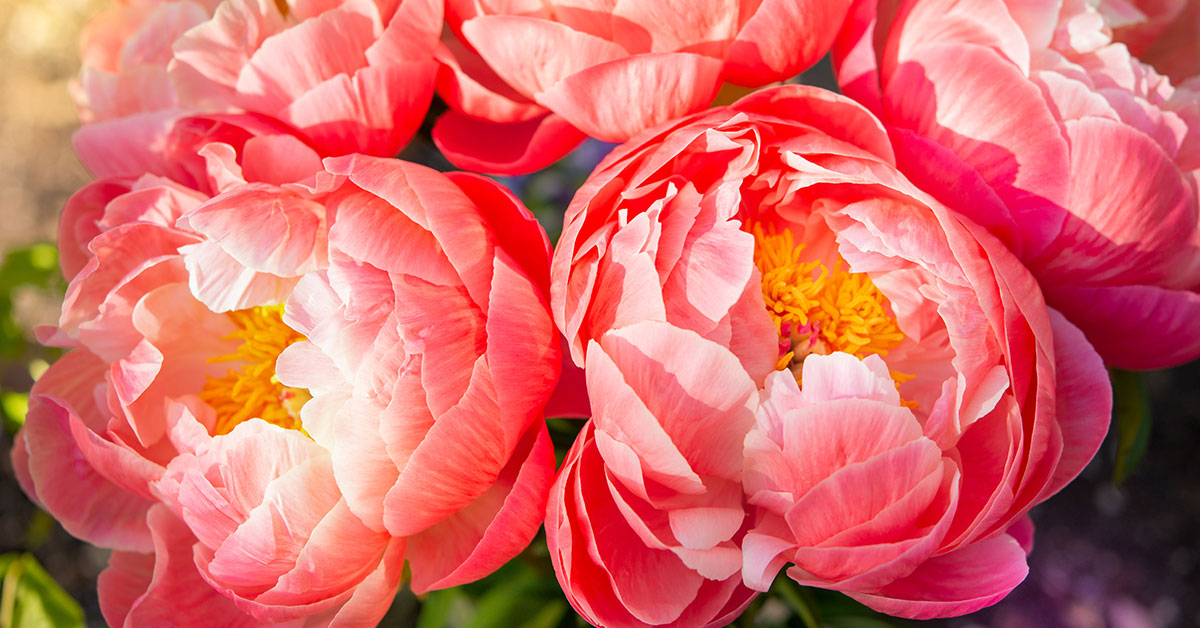

Welcome to the world of peonies, where beauty and elegance come together in a burst of vibrant colors and intoxicating fragrances. As a gardener, you may already be familiar with the joy that peonies bring to any landscape. However, to ensure that these magnificent blooms continue to flourish year after year, it is essential to understand the art of deadheading. In this article, we will delve into how to deadhead peonies, exploring the reasons behind it, the techniques to employ, and the benefits it brings to your garden. So, grab your gardening tools and let’s embark on a journey to unlock the secrets of peony deadheading.
Should you deadhead peonies?
Deadheading peonies is a common practice that can benefit the overall health and appearance of the plant. Deadheading refers to the removal of spent flowers or flower heads from a plant. In the case of peonies, deadheading involves removing the faded blooms after they have finished flowering. There are several reasons why deadheading peonies can be beneficial:
- Improved aesthetics: Removing the faded flowers enhances the overall appearance of the plant. Peonies have large, showy blooms, and deadheading prevents the plant from looking messy or untidy as the spent flowers wither and turn brown.
- Energy conservation: Deadheading redirects the plant’s energy away from seed production and towards other important processes, such as root and foliage growth. By removing spent flowers, the plant can focus its resources on building stronger roots and storing energy for the next growing season.
- Disease prevention: Peonies are susceptible to certain fungal diseases, such as botrytis blight, which can affect the health and vigor of the plant. Deadheading helps reduce the risk of disease by removing potential sources of infection, such as decaying flowers that can harbor fungal spores.
- Increased blooming potential: Some peony varieties have the ability to produce secondary or even tertiary blooms after deadheading. By removing spent flowers, you may encourage the plant to produce additional blooms, extending the flowering period and maximizing the visual impact of your peonies.
Here’s how to deadhead peonies properly:
- Wait until the flowers have completely faded and the petals start to wither and turn brown. This usually occurs a few days after the initial bloom.
- Using clean and sharp pruning shears or scissors, cut the flower stem just above a healthy set of leaves or leaf bud. Make the cut at a 45-degree angle to prevent water from pooling on the stem.
- Remove the entire flower head, including any remaining petals and the developing seed pod beneath the petals.
- Dispose of the removed flower heads in a compost bin or discard them to prevent any potential disease spread.
It’s important to note that not all peony varieties require deadheading. Some peonies, particularly those with attractive seed pods or those that produce interesting seed heads, can be left untrimmed to add winter interest to the garden. Additionally, if you are growing peonies primarily for their seed production, deadheading may not be necessary. Overall, deadheading peonies can help maintain the plant’s health, appearance, and blooming potential. It is a simple and rewarding task that can be performed throughout the blooming season to ensure your peonies thrive and continue to bring beauty to your garden.
When to deadhead peonies?
The best timing to deadhead peonies is after they have finished blooming. Peonies typically bloom in late spring to early summer, and the flowers will start to fade and wither after a week or two. Once the petals have fallen off and the flower heads have turned brown or wilted, it is time to deadhead.
Deadheading is the process of removing spent flowers from the plant. It not only improves the appearance of the peony plant but also encourages the development of stronger and healthier blooms in the following year. Deadheading redirects the plant’s energy from seed production to root and foliage growth, allowing it to store more energy for the next blooming season.
It’s important to note that while deadheading peonies is beneficial, it is not absolutely necessary for the health of the plant. If you prefer to leave the spent flowers on the plant for aesthetic reasons or if you want to collect seeds, you can do so. However, keep in mind that leaving the spent flowers may divert some energy from the plant’s future growth and blooming potential.
How to deadhead peonies
Deadheading peonies is an important task to maintain the health and appearance of the plant. It involves removing spent flowers to encourage new growth and prevent the plant from wasting energy on seed production. Here is a step-by-step guide on how to deadhead peonies:
- Timing: The ideal time to deadhead peonies is after the flowers have faded and the petals have fallen off. This usually occurs in late spring or early summer, depending on the variety and location.
- Tools: Gather the necessary tools before starting. You will need a pair of clean and sharp pruning shears or scissors. It’s important to use clean tools to minimize the risk of spreading diseases.
- Preparation: Before you begin, inspect the peony plant for any signs of disease or pests. If you notice any issues, address them accordingly before proceeding with deadheading.
- Identify spent flowers: Look for flowers that have faded and lost their petals. These are the ones that need to be removed. They are typically located at the top of the stem.
- Cut the stem: Locate the first set of healthy leaves below the spent flower. Position your pruning shears or scissors just above this set of leaves and make a clean, angled cut. Ensure that you leave the healthy foliage intact.
- Dispose of the spent flowers: Collect the cut flowers and dispose of them properly. You can add them to your compost pile if they are disease-free, or discard them in the trash.
- Repeat the process: Continue deadheading the remaining spent flowers on the plant, working your way down the stem. Remember to make clean cuts just above the healthy leaves.
- Clean up: Once you have finished deadheading all the peonies, clean your tools with a disinfectant solution to prevent the spread of diseases. This is especially important if you encountered any diseased flowers during the process.
- Watering and fertilizing: After deadheading, give your peonies a thorough watering to help them recover from the stress of pruning. Consider applying a balanced fertilizer to provide the plant with essential nutrients for healthy growth.
- Mulching: Finally, apply a layer of organic mulch around the base of the peony plant. This will help conserve moisture, suppress weed growth, and provide insulation to the roots.
By following these steps, you can effectively deadhead your peonies and promote vigorous growth and abundant blooms in the following seasons.
Aftercare
After deadheading peonies, it’s important to follow a few care guidelines to ensure the health and vitality of the plants. Here are some detailed steps to follow:
- Timing: Deadheading peonies should be done immediately after the flowers have faded and petals have dropped. This is typically in late spring or early summer, depending on the specific variety and location.
- Sterilize Tools: Before you begin, make sure your pruning shears or scissors are clean and sterilized to prevent the spread of diseases. You can use rubbing alcohol or a bleach solution to disinfect them.
- Cut Back: Locate the spent flower stem and follow it down to the first set of healthy leaves. Using your sterilized tools, make a clean cut just above this set of leaves. Avoid cutting too close to the leaves, as this can damage the plant.
- Remove Debris: After deadheading, remove any fallen petals or debris around the base of the plant. This helps prevent the spread of diseases and keeps the area clean.
- Watering: Give your peonies a thorough watering after deadheading to ensure they receive adequate moisture. Water deeply, allowing the soil to absorb the water, but avoid overwatering, as peonies prefer well-draining soil.
- Fertilization: Apply a balanced slow-release fertilizer around the base of the plant, following the manufacturer’s instructions. This provides essential nutrients for healthy growth and blooming.
- Mulching: Apply a layer of organic mulch, such as compost or shredded bark, around the base of the plant. This helps conserve moisture, suppresses weed growth, and provides insulation to the roots.
- Support: If your peonies are tall or have heavy blooms, consider providing support with stakes or a peony cage. This prevents the stems from bending or breaking under the weight of the flowers.
- Maintenance: Throughout the growing season, continue to monitor your peonies for any signs of pests or diseases. Remove any damaged or diseased foliage promptly to prevent the spread of infections.
- Division: Every few years, peonies may require division to maintain their vigor. Late summer or early fall is the best time for this task. Dig up the plant, divide it into smaller sections, and replant them in well-prepared soil.
By following these care guidelines after deadheading peonies, you can help promote healthy growth, encourage future blooms, and maintain the overall beauty of your plants.